Retractable Dog Leashes


Definition from BasinLens Product Encyclopedia
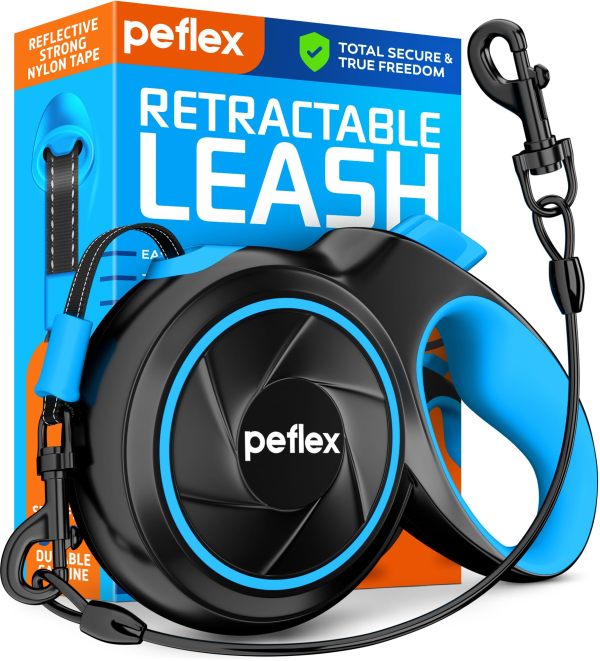
Retractable Dog Leash A retractable dog leash is an adjustable-length tethering device designed specifically for pet dogs. Its core mechanism utilizes a built-in spring or reel system, allowing the leash to extend and retract freely within a preset range (typically 10–30 feet). When the owner releases the locking mechanism, the dog gains a wider radius for exploration. When control is needed, a mechanical brake system in the handle instantly locks the leash at the desired length. These leashes typically feature ergonomic handles and are available in weight-bearing capacities suitable for small to large dog breeds. Common use cases include neighborhood walks, park outings, and obedience training. They are particularly suited for urban dog owners who need to balance their pet’s freedom of movement with the ability to quickly regain control. Constructed from durable nylon cord and non-slip handles, some premium models include reflective strips for nighttime visibility or dual-locking mechanisms for added safety in varying environments.
Core Search Terms
Retractable Dog Leashes, Retractable Leashes, Pet Walking Leashes, Dog Leashes, Dog Walking Leashes, Dog Leads
Long Tail Keywords
Retractable leash for large dogs, Heavy duty retractable dog leash, Small dog retractable leash, Hands free retractable dog lead, Reflective retractable dog leash, Dog leash with instant brake, Training retractable dog lead, Dog walking leash with lock, Durable retractable pet leash, Comfort grip retractable leash, Waterproof dog retractable leash, Extendable leash for running, Anti-tangle retractable lead
Deep Analysis Reports
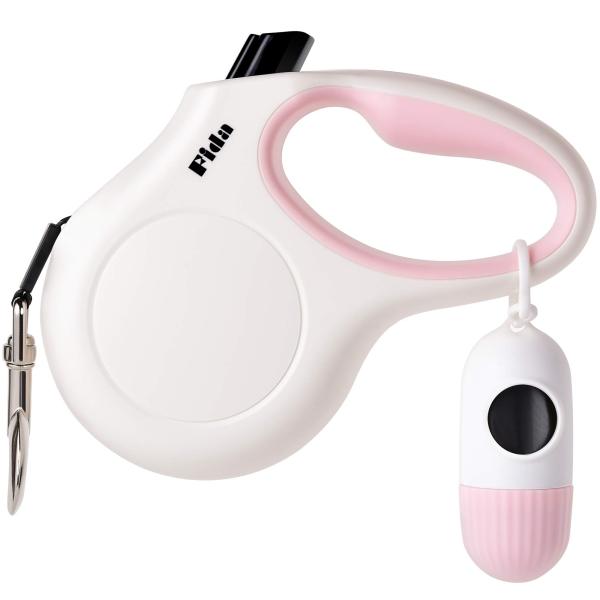
Amazon US Market Analysis: Automatic Retractable Dog Leashes Category
Portability and freedom are core demands; safety and durability are long-term pain points. The automatic retractable dog leash market is highly competitive, with products commonly emphasizing length, one-handed operation, and tangle-free use. Consumer demand for giving pets m
Amazon US Market Analysis: Automatic Retractable Dog Leashes Category
Portability and freedom are core demands; safety and durability are long-term pain points. The automatic retractable dog leash market is highly competitive, with products commonly emphasizing length, one-handed operation, and tangle-free use. Consumer demand for giving pets m