No Tie Shoelaces


Definition from BasinLens Product Encyclopedia
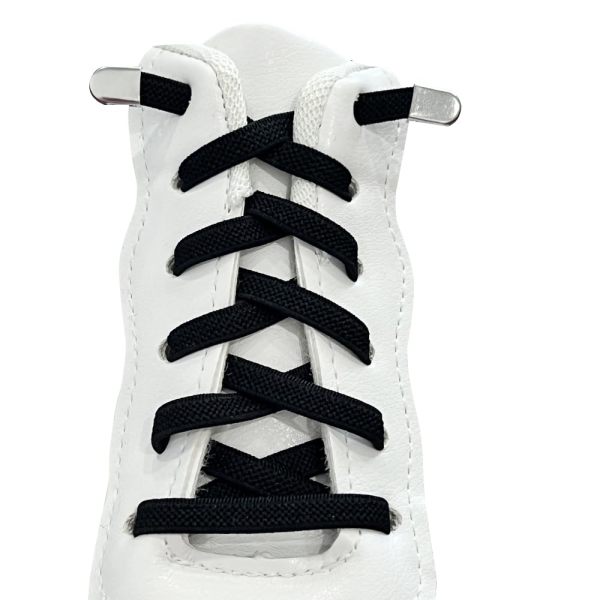
No-Tie Shoelaces are footwear accessories designed to secure shoes without traditional knot-tying. Their core technology combines elastic materials with mechanical locking mechanisms. These products typically utilize high-strength elastic fibers (e.g., rubber-core nylon cord or TPE material) paired with slide-buckle, dial-turn, or push-button locking systems. They adapt to foot contours through tension, maintaining a secure, wrapped fit and enabling quick slip-on/off functionality. Primarily serving specific user groups—children (developing fine motor skills), seniors (reduced dexterity), athletes (needing secure lacing), and individuals with disabilities—they are compatible with sneakers, casual shoes, children's footwear, and certain work boots. This design mitigates tripping hazards caused by traditional, easily loosened laces. Tightness can be finely adjusted via the lock's position. Enhanced versions may include added features like reflective strips, quick-release mechanisms, or decorative elements, offering an efficient daily footwear solution.
Core Search Terms
No Tie Shoelaces, Shoelaces, Elastic Shoelaces, Shoe Laces, Elastic No Tie Shoelaces, Tieless Shoelaces
Long Tail Keywords
no tie shoelaces for kids, elastic shoelaces for running, lock laces for sneakers, slip on shoelaces for elderly, stretch shoelaces for athletic shoes, no tie laces for work boots, quick lock shoelaces, elastic shoelaces for disabled, child proof shoelaces, slip resistant shoe laces, adjustable no tie laces, elastic shoelaces for hiking, one pull shoelace system, anti trip shoelaces for sports, easy install elastic laces
Deep Analysis Reports
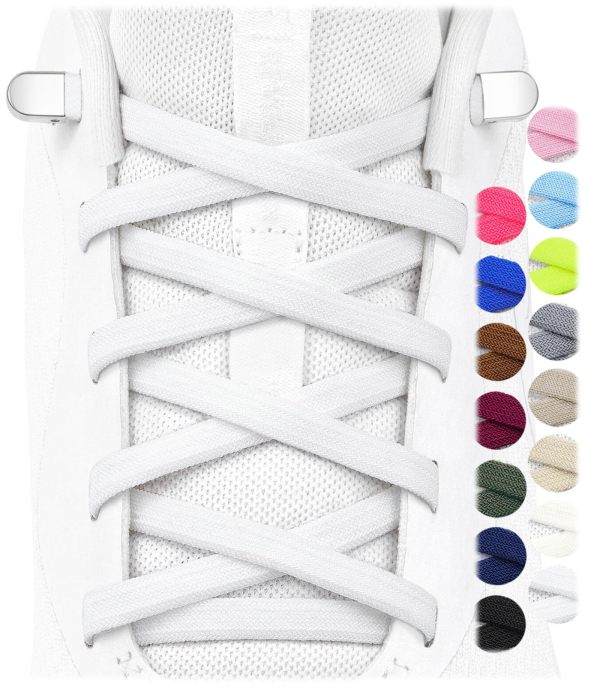
Amazon US Market Analysis: No-Tie Elastic Shoelaces Category
Convenience and peace of mind are core drivers, but market products are highly homogenized. The no-tie elastic shoelace market caters to consumer pursuit of efficiency and comfort, with products generally emphasizing basic selling points like quick on/off and elastic fit. How
Amazon US Market Analysis: No-Tie Elastic Shoelaces Category
Convenience and peace of mind are core drivers, but market products are highly homogenized. The no-tie elastic shoelace market caters to consumer pursuit of efficiency and comfort, with products generally emphasizing basic selling points like quick on/off and elastic fit. How