Metal Headbands


Definition from BasinLens Product Encyclopedia
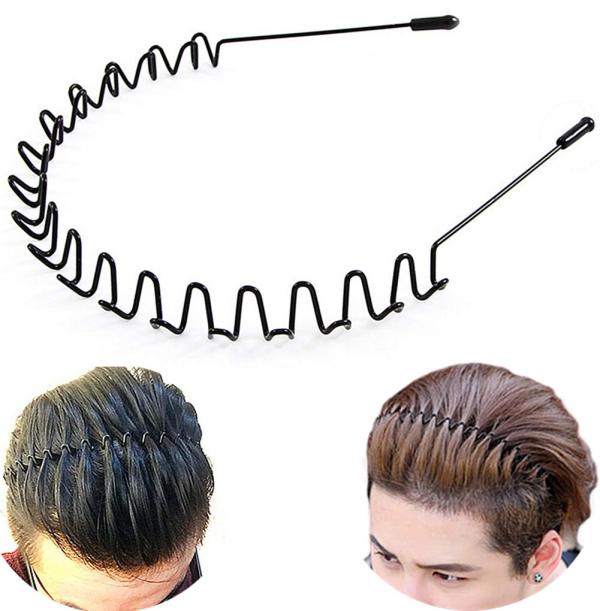
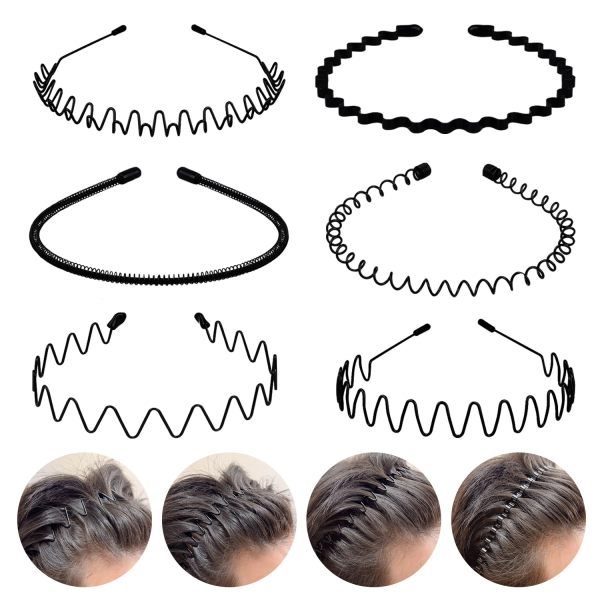
A metal headband is a hair restraint device crafted from metal, designed to effectively secure hair and minimize movement during specific activities. It typically features wave-shaped grooves, serrated textures, or coil spring structures that leverage the metal's inherent elasticity and specialized surface patterns to enhance grip on hair. This device is widely used in physical activities (e.g., fitness training), daily care routines (including cleansing and skincare), and professional makeup application to prevent hair from obstructing vision or interfering with facial tasks. It primarily serves individuals with long hair, particularly women with frequent need for hair management, while its gender-neutral design also makes it suitable for men. Key product attributes highlight its physical anti-slip performance due to structural stability, material durability for long-term use, ease of cleaning and hygiene inherent to metal, and comfortable designs adaptable to various head shapes. Common product variants include decorative diamond-accented styles, medical-grade hypoallergenic coated models, and adjustable-tension types, among other specialized iterations.
Core Search Terms
Metal Headbands, Hair Bands, Hair Hoops, Hairbands, Headbands, Metal Hair Bands
Long Tail Keywords
Metal headband for sports, Non-slip hair band, Hairband for washing face, Metal headband for long hair, Wave design hair hoop, Skincare hair holder, Unisex metal headband, Adjustable hair clamp, Makeup application headband, Sweatproof hair accessory, Spring metal headband, Workout hair restraint, Anti-allergenic hair band, Wide metal hairband, Professional styling headgear
Deep Analysis Reports
Amazon US Market Analysis: Metal Headbands Category
Intense Homogeneous Competition, High User Demands for Quality Details. The Amazon US metal headband market is mature, with products commonly marketed as lightweight, non-slip, and multi-scenario. However, users are no longer satisfied with basic functions; their attention to
Amazon US Market Analysis: Metal Headbands Category
Intense Homogeneous Competition, High User Demands for Quality Details. The Amazon US metal headband market is mature, with products commonly marketed as lightweight, non-slip, and multi-scenario. However, users are no longer satisfied with basic functions; their attention to