Goalkeeper Gloves


Definition from BasinLens Product Encyclopedia
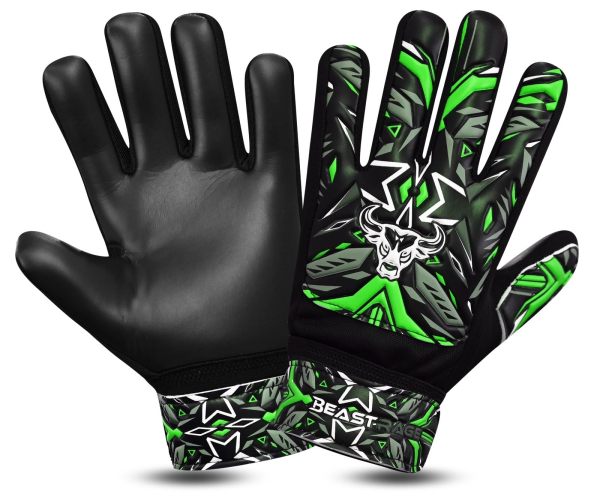
Goalkeeper gloves are specialized protective gear designed for soccer goalkeepers, utilizing unique materials and construction to deliver core functionalities: the palm features high-friction latex to enhance ball control; flexible padding integrated into the finger joints absorbs impact, reducing the risk of hand injuries during saves; and an elastic wrist strap with a support plate provides joint stability. Primarily used in various soccer matches and training sessions, they cater to athletes ranging from youth to adult professionals. These products are typically categorized by usage scenario into training (breathable and lightweight), match (enhanced grip), and all-weather (water-resistant and slip-resistant) types. Some models come with removable finger protection modules for customized safety. As an essential component of modern soccer equipment, their evolution incorporates the latest advancements in materials science and ergonomics.
Core Search Terms
Goalkeeper Gloves, Goalie Gloves, Soccer Goalie Gloves, Football Goalkeeper Gloves, Football Gloves, Soccer Gloves, Soccer Goalkeeper Gloves, Football Goalie Gloves, Goal Keeper Gloves
Long Tail Keywords
latex goalkeeper gloves, professional goalie gloves, finger protection goalie gloves, training goalkeeper gloves, match soccer gloves, wet weather football gloves, youth goalkeeper gloves, adult soccer gloves, goalie gloves grip enhancement, breathable goalkeeper gloves, replaceable finger spines
Deep Analysis Reports
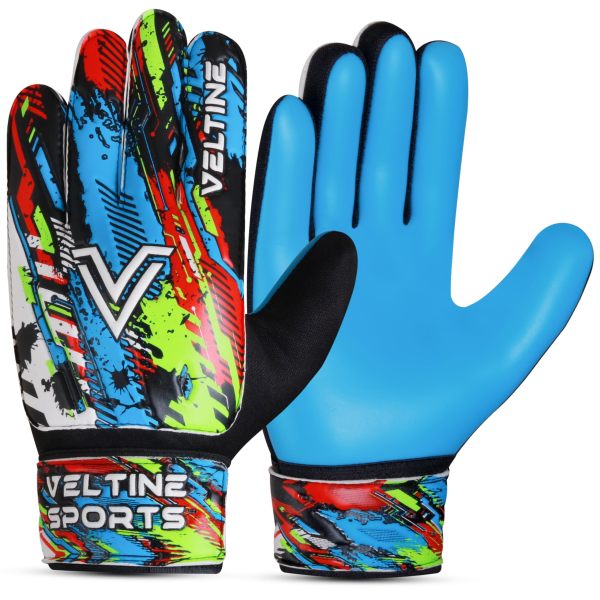
Amazon US Market Analysis: Youth Soccer Goalkeeper Gloves Category
Intense low-price competition with significant functional homogenization. The entry-level market for youth soccer goalkeeper gloves is highly saturated. Brands generally compete for limited market share through similar materials and feature stacking, supplemented by cool aest
Amazon US Market Analysis: Youth Soccer Goalkeeper Gloves Category
Intense low-price competition with significant functional homogenization. The entry-level market for youth soccer goalkeeper gloves is highly saturated. Brands generally compete for limited market share through similar materials and feature stacking, supplemented by cool aest