Fog Light Covers


Definition from BasinLens Product Encyclopedia
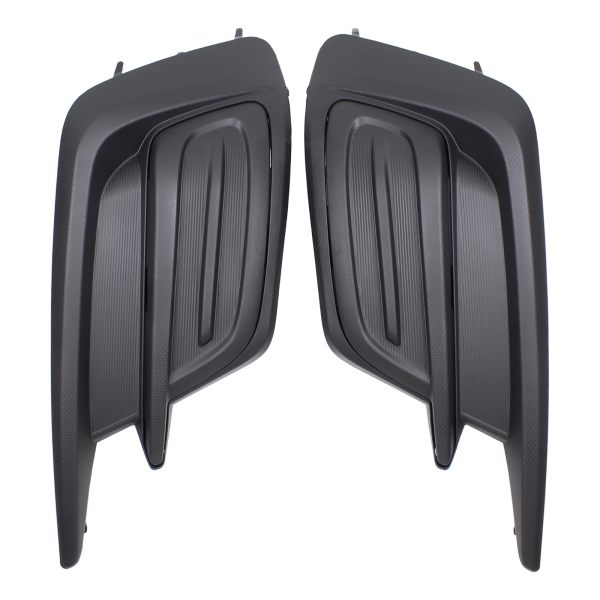
Fog light covers are protective overlays installed in the fog light area of a vehicle's front bumper, typically made from plastic or ABS material. Their primary function is to physically shield the fog lights from damage caused by dust, road debris, moisture, or minor impacts, while also serving as an exterior styling element to enhance the vehicle's overall appearance. Mechanically, fog light covers are secured around the fog light housing via clips, screws, or a snap-in design, forming a protective barrier without interfering with the light's performance. Common use cases include daily city driving, off-road conditions, and protection during harsh weather, making them suitable for vehicle customization or maintenance. The target user base encompasses individual car owners, automotive enthusiasts, and professional repair shops. Product variations include fog light bezels (for accent trim), fog light grilles (for added ventilation and protection), and full fog light covers (integrating protection and aesthetics), all precisely customized to match specific vehicle makes, models, and model years to ensure accurate fitment.
Core Search Terms
Fog Light Covers, Light Covers, Fog Light Bezels, Fog Light Cover Bezels
Long Tail Keywords
Car fog light covers, Fog light bezels, Vehicle fog light protectors, Custom fog light covers, LED fog light covers, Fog light cover for SUV, Truck fog light guards, Replacement fog light bezels, Plastic fog light covers, Fog light accessories installation, Off-road fog light covers, Fog light covers for specific models, Car front bumper fog light bezels
Deep Analysis Reports
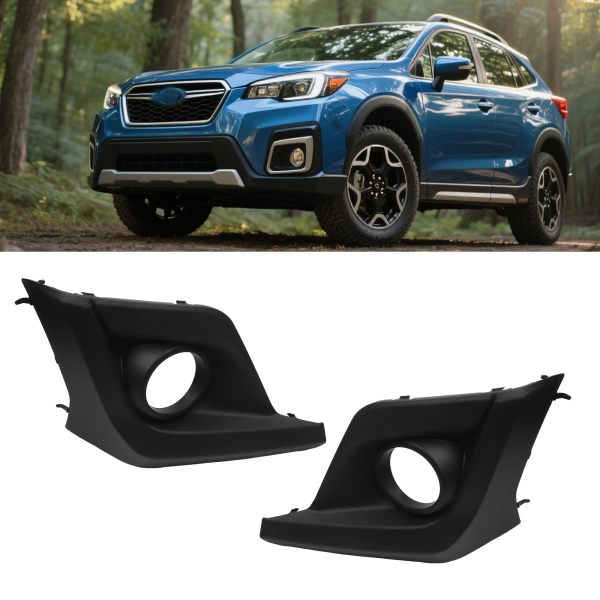
Amazon US Market Analysis: Automotive Fog Light Exterior Trim Category
Replacement demand drives the market, homogeneous competition is fierce. The automotive fog light exterior trim market is primarily driven by the need to replace damaged or lost parts, supplemented by some appearance upgrade demand. Product functionality is highly homogeneous
Amazon US Market Analysis: Automotive Fog Light Exterior Trim Category
Replacement demand drives the market, homogeneous competition is fierce. The automotive fog light exterior trim market is primarily driven by the need to replace damaged or lost parts, supplemented by some appearance upgrade demand. Product functionality is highly homogeneous