Ear Plugs


Definition from BasinLens Product Encyclopedia
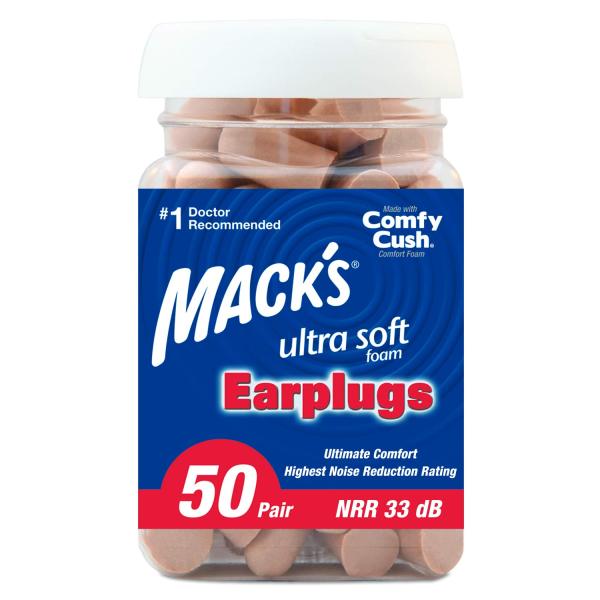
Earplugs are a category of personal protective equipment designed to be inserted into the ear canal or placed over the outer ear, with the primary function of physically blocking the transmission of external sound waves. They operate by creating a physical seal in the ear canal, with the material's acoustic impedance determining the noise reduction rating (NRR values typically range from 18 to 33 decibels). Classified by material, the main types are slow-recovery polyurethane foam earplugs, flexible silicone earplugs, and natural wax earplugs. By application, they are further categorized into: industrial hearing protection (compliant with ANSI S3.19 standards), ultra-soft sleep earplugs, waterproof swimming earplugs, and high-fidelity earplugs for music/listening (featuring linear attenuation). Target users include manufacturing workers, individuals with sleep disorders, water sports enthusiasts, and audio professionals. Some products offer advanced features such as washability/reusability, temperature-adaptive molding, or frequency-filtering noise reduction. However, their core mechanism remains that of a passive, physical noise barrier.
Core Search Terms
Ear Plugs, Earplugs
Long Tail Keywords
noise reducing earplugs, sleep earplugs, swimming earplugs, concert ear protection, industrial safety ear plugs, reusable silicone earplugs, high fidelity earplugs, ear plugs for snoring, comfortable sleeping earplugs, waterproof ear plugs, noise cancellation ear plugs, earplugs for studying, motorcycle riding earplugs
Deep Analysis Reports
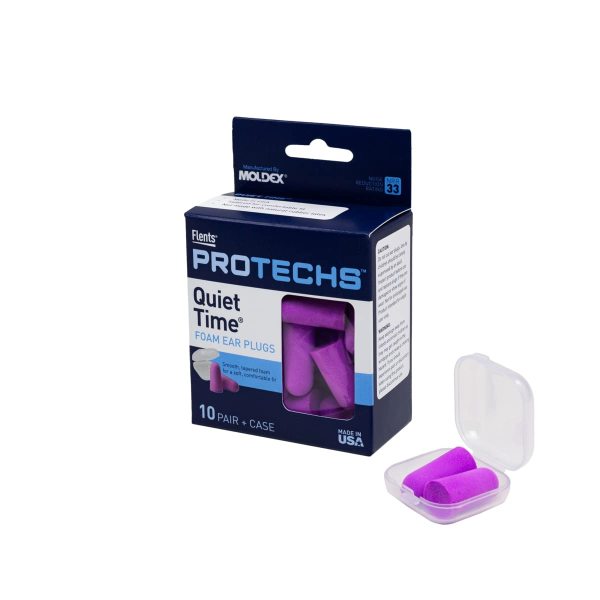
Amazon US Market Analysis: Noise-Reducing Earplugs Category
Shifting from 'Absolute Silence' to 'Intelligent Noise Management'. The noise-reducing earplug market is evolving from单纯追求 high-decibel isolation towards more refined, personalized noise management. Consumers want not just noise reduction, but also comfort, health, clarity, a
Amazon US Market Analysis: Noise-Reducing Earplugs Category
Shifting from 'Absolute Silence' to 'Intelligent Noise Management'. The noise-reducing earplug market is evolving from单纯追求 high-decibel isolation towards more refined, personalized noise management. Consumers want not just noise reduction, but also comfort, health, clarity, a