Amazon US Market Analysis: Gardening Cutting Tools Category
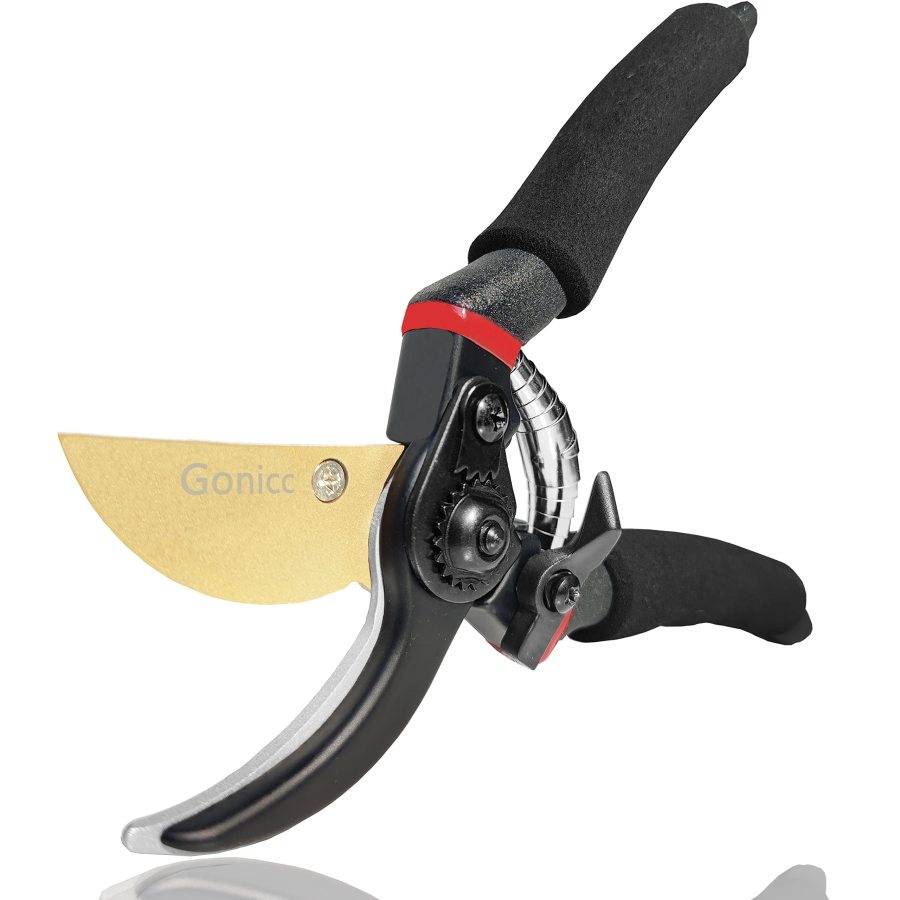
📊 Executive Summary
📈 Market Trends
Portability and durability are equally prioritized, with materials and ergonomics as innovation cores. The gardening cutting tool market, while pursuing basic functions (sharpness, safety), is evolving towards finer ergonomic designs (adapting to different hand sizes), more advanced blade materials/coatings (rust-proof, friction-reducing), and longer product lifecycles (replaceable parts, lifetime warranties). Consumer expectations for long-term tool value and usage comfort are rising.
⚡ Major Pain Points
Unstable safety locks and poor handle experience are critical flaws. Current market products commonly suffer from safety locks that jam, fail, or unlock accidentally, severely impacting user experience and safety. Additionally, handle materials lack durability and offer poor grip, causing hand fatigue during extended use, creating a significant gap with seller claims of 'ergonomic.' Low-price segment products often exaggerate thick-branch cutting ability, failing to deliver on promises.
💡 Selection Opportunities
Deep dive into core pain points to create exceptional experience and long-term value. Market opportunities lie in developing garden shears with innovative anti-jam/high-strength locking mechanisms to address user core safety anxieties. Simultaneously, launch multi-size/adjustable ergonomic handle products to meet personalized comfort needs. The mid-to-high price tier can target core-performance enhanced loppers, offering high-value heavy-duty pruning solutions. Furthermore, empower users through a full lifecycle maintenance kit & guidance to enhance product long-term value and brand loyalty.
I. Analysis Overview
1.1 Introduction & Report Scope
This report analyzes the 'Scissors' category (Gardening Cutting Tools) within the Amazon US market, focusing on target user personas, core needs, decision drivers, market communication, and potential opportunities.
1.2 Category Snapshot
Gardening cutting tools are manual hand tools used for pruning, tidying, and shaping plants, primarily including sub-types like hand pruners, loppers, and multi-purpose garden shears. Their core function is to provide sharp, precise cutting capability, enabling users to efficiently complete various garden maintenance tasks, promote plant health, and maintain landscape aesthetics. The following table illustrates the key characteristics of consumer behavior in this category.
| Dimension | Segment | Description |
|---|---|---|
| Need Driver Type | Planned Purchase / Emergency-driven Purchase | User purchases are primarily driven by seasonal pruning and routine maintenance plans, but may also arise from immediate needs due to unexpected plant situations (e.g., dealing with dead branches). |
| Purchase Frequency | Medium to Low Frequency | These tools are relatively durable, typically purchased every few years. However, lower-priced products may see slightly higher repurchase rates due to faster wear and tear. |
| Decision Complexity | Medium | Users compare information on blade material, handle comfort, cutting capacity, and brand reputation, but usually do not engage in overly complex decision model analysis. |
| Price Sensitivity | Medium | Most users are somewhat price-sensitive, but are willing to pay a premium for significant improvements in performance and comfort, especially professional-grade users. |
| Emotional Dependency | Low to Medium | Primarily based on function and practicality, but a well-designed, effortless tool can also bring pleasure, enhancing the gardening experience and sense of accomplishment. |
II. User Personas & Usage Scenarios
2.1 Everyday Home Gardener
🎯 Enjoys tending to their balcony or small garden, values tool practicality, comfort, and cost-effectiveness, and seeks a pleasant, easy gardening experience.
| Typical Usage Scenarios | Core Pain Points | Primary Purchase Drivers |
|---|---|---|
|
|
|
2.2 Professional/Senior Gardening Enthusiast
🎯 Possesses extensive gardening experience or works in related fields, has high demands for tool performance, and pursues ultimate cutting efficiency, tool reliability, and professional-grade durability.
| Typical Usage Scenarios | Core Pain Points | Primary Purchase Drivers |
|---|---|---|
|
|
|
III. User Needs Hierarchy (KANO Model)
3.1 Basic Needs (Must-Haves)
- Sharpness: Blades must be sharp enough to easily cut target branches. This is the foundational function of garden shears, directly impacting pruning efficiency and plant health.
- Durability: The overall structure and materials should withstand routine use and moderate operational intensity without breaking or falling apart.
- Safety Lock: Must feature a reliable safety locking mechanism to prevent accidental blade opening/closing during storage, ensuring user safety.
3.2 Performance Needs (Linear Satisfiers)
- Low-Effort Design: Requires minimal force for cutting, reducing hand and wrist fatigue, enhancing comfort, especially for prolonged use or users with less hand strength.
- Comfortable Grip: Handle material is soft, non-slip, and ergonomic, preventing discomfort or blisters during extended use.
- Cutting Diameter: Effectively cuts branches up to the advertised maximum diameter, meeting most pruning needs without exaggeration.
- Rust/Corrosion Resistance: Blades and key components feature rust or corrosion resistance for humid environments, extending tool lifespan.
3.3 Excitement Needs (Delighters)
- Adjustable Handle Opening: Allows adjustment of handle opening based on hand size or task, enabling personalized comfort and broader usability.
- Anti-Stick Blade Coating: Special coating effectively prevents sap adhesion, keeping blades clean and cutting smooth, reducing maintenance.
- Replaceable Blades/Parts: Major wear components (e.g., blades, springs) can be individually replaced, significantly extending overall product lifespan and emphasizing long-term value.
- Shock Absorption: Handle or internal structure features shock absorption, further reducing hand impact and fatigue, enhancing operational comfort.
3.4 Unmet Needs & Opportunities
-
Locking Mechanism Stability: Among existing products, safety locks are prone to failure, jamming, or self-unlocking. Users have a strong need for reliability in this area.
User Reviews (VOC) The lock mechanism on mine broke after about a year. // Sometimes it locks when I don't want it to.
-
Handle Material & Structural Quality: Some product handles (e.g., cheap plastic, easily torn foam) are criticized for poor durability, wear, or uncomfortable grip, negatively impacting the overall user experience.
User Reviews (VOC) The foam on the handles ripped after a few days of use. // The plastic handle feels flimsy.
-
Lightweight & Cutting Force Balance: Users desire lighter tools while maintaining strong cutting power, especially for thick, hard branches. This remains a challenge in the mid-to-low price segment, where lightweighting often compromises strength.
User Reviews (VOC) It's light, but I had to put a lot of force for thicker branches. // It feels a bit heavy for smaller tasks.
- Professional-Grade Durability in Mid-Low Price Tiers: The market lacks products at accessible price points that offer overall structural stability and long-term performance comparable to premium brands. Users want durable, not disposable, tools at mid-low prices.
IV. User Decision Drivers
4.1 Key Decision Factors
- Cutting Force & Sharpness: The ability to easily cut branches and produce clean cuts is the user's most critical purchasing consideration, directly affecting gardening efficiency and plant health.
- Durability & Quality: Whether the tool is sturdy, resistant to damage, and maintains good performance over time is key to user perception of value and trust, encompassing blades, handles, and connecting parts.
- Usage Comfort: Grip comfort, cutting effort, and whether prolonged use causes hand fatigue directly relate to user experience and physical strain.
4.2 Secondary Decision Factors
- Price: Given basic performance is met, price is a significant decision factor, especially for everyday use and entry-level products.
- Brand Reputation: Well-known brands typically imply higher quality assurance and user trust, with some users willing to pay a premium to reduce trial-and-error costs.
- Safety Features: Reliability of safety locks, anti-pinch designs, etc., ensure safe use, reduce accident risk, and enhance peace of mind.
- Product Size & Weight: Suitability for individual hand size and usage scenarios; lightweight is a plus, especially for users requiring extended operation.
- Ease of Cleaning & Maintenance: Whether blades are easy to clean or require special maintenance (e.g., oiling) affects daily convenience and tool lifespan.
V. Selling Points & Competitive Landscape
5.1 Selling Point Analysis
5.1.1 Standard Features (Points of Parity)
- Sharp Blades: Commonly emphasizes blade material (e.g., SK5 steel, high-carbon steel, stainless steel) and excellent cutting ability, a basic selling point and user expectation.
- Comfortable Grip: Highlights ergonomic design, non-slip handles, or cushioned grips, aiming to reduce hand fatigue and improve user experience.
- Safety Lock: States the inclusion of a safety locking mechanism to ensure blades stay closed when not in use, preventing accidents and enhancing safety.
- Multi-Purpose Use: Claims suitability for various plants (flowers, shrubs, fruit trees, bonsai) and pruning tasks, meeting the need for a versatile tool.
5.1.2 Key Differentiators
- Blade Coating: e.g., Titanium coating, Teflon coating, emphasizes rust/corrosion resistance and reduced friction/sticking, improving durability and cutting smoothness.
- Cutting Diameter: Clearly states the maximum branch diameter that can be cut (e.g., 3/4 inch, 1 inch, 1.5 inches), attracting users with specific heavy-duty pruning needs.
- Brand Heritage/Origin: e.g., 'Swiss-made' (Felco), 'Japanese steel' (Okatsune, Kimura), elevates perceived professionalism and trust, emphasizing craftsmanship heritage.
- Handle Adjustment: Handle opening size is adjustable to fit different hand sizes or provide more leverage, enhancing personalized comfort.
5.1.3 Unique Selling Propositions (USPs)
- Lifetime Warranty/Replaceable Parts: A few premium brands offer lifetime warranties or sell replacement parts (e.g., blades, springs) separately, extending product lifecycle and emphasizing long-term investment value.
- One-Piece Steel Construction: Some products emphasize forged or full-steel construction for ultimate durability and sturdiness (e.g., some Corona products), handling high-intensity use.
- Compound Leverage System: Some loppers or pruners use gear or multi-stage lever designs to amplify cutting force, significantly reducing user effort required for cutting.
5.2 Competitive Landscape
5.2.1 Market Maturity
Medium to High. The market features a few long-established, highly reputable professional brands (e.g., Felco, Fiskars, Corona) dominating the premium segment with superior quality and reputation. Simultaneously, numerous emerging brands compete in the mid-to-low tier through cost-effectiveness and functional innovation (e.g., titanium coating, handle adjustment). Product homogenization is emerging, especially at the basic functional level.
5.2.2 Innovation Trends
Innovation trends manifest in three main areas: First, application of material science, such as using higher-grade steels (German stainless, SK5) and novel surface coatings (titanium, Teflon) to enhance blade performance and longevity. Second, refinement of ergonomic design, emphasizing more comfortable, low-effort experiences for different hand sizes (especially small hands, women), including adjustable openings, shock-absorbing handles. Third, enhancement of product durability commitments, such as offering lifetime warranties or replaceable core components to extend product lifecycle, addressing growing consumer demand for sustainability and long-term use.
VI. Marketing Claims vs. Reality Check
The table below analyzes the gap between common marketing claims and actual user experiences in this category:
| Dimension | Marketing Claim | User Reality | Verdict |
|---|---|---|---|
| Blade Material & Cutting Force | Professional-grade titanium-coated SK5 steel blade, ultra-sharp, easily cuts 1-inch thick branches. | Some low-price products claiming 'titanium' are merely coated, with questionable blade core quality. User feedback indicates mid-to-low price products require extreme force to cut advertised maximum diameter branches, often resulting in blade twisting, dulling, or uneven cuts. | 'Professional-grade' and 'titanium' claims in the low-price segment are largely marketing gimmicks, failing to deliver real performance. Actual cutting capacity deviates severely from advertised claims under physical limits, leading to failed user expectation management due to over-marketing. |
| Locking Mechanism Reliability | Safety lock design, one-click open/close, ensures safe use. | Users commonly report safety locks jamming, sliding ineffectively, or unlocking accidentally, causing operational inconvenience and even safety hazards. Some product locks fail within a short period. | Marketing a safety feature as a selling point, yet the actual design or manufacturing quality is insufficient, turning it into a user pain point rather than an advantage. Counter-intuitive design or unstable quality control renders the 'safety' promise virtually meaningless. |
| Handle Material & Durability | Ergonomic comfort grip, sturdy and durable, fatigue-free for extended use. | Some product handles use cheap hard plastic or easily torn foam. Users report poor grip, slippage, and damage/peeling after short-term use, far from the 'sturdy and durable' claim. | Cost constraints lead to handle material choices that sacrifice durability and true comfort, creating conflict with 'ergonomic' and 'sturdy' claims. Low-cost solutions fail to support high expectations. |
Key Takeaway: The market exhibits widespread parameter inflation and scenario-based experience exaggeration, especially in the low-price segment. Significant information asymmetry exists regarding blade material, cutting capacity, and safety lock reliability.
VII. Supply-Demand Misalignment Analysis
The table below highlights mismatches between seller focus and buyer priorities:
| Dimension | Seller Behavior | User Focus | Verdict |
|---|---|---|---|
| Locking Mechanism Stability | Commonly list 'safety lock' as a basic selling point, emphasizing convenience, but rarely elaborate on anti-failure, anti-jam design details or durability of the locking mechanism. | Users care most about whether the safety lock reliably stays closed to prevent accidents; they complain about frequent jamming or failure, causing operational interruptions and safety concerns. | Sellers treat the safety lock as a standard marketing checkbox but fail to address users' higher-order needs for its actual reliability and operational smoothness, resulting in a supply gap for the core safety experience. |
| Long-Term Handle Comfort & Durability | Commonly promote generic concepts like 'ergonomic,' 'comfort grip,' 'non-slip,' but rarely specify handle material's wear/tear resistance, tear resistance, or offer fine-tuned designs for different hand sizes. | Users complain about cheap, easily worn handle materials that degrade or become uncomfortable after prolonged use; they desire designs truly suited to their hand size to reduce fatigue. | Sellers engage in vague promotion of handle comfort, failing to address users' deeper pain points regarding long-term comfort and handle durability, lacking targeted product innovation and communication. |
| Serrated Blade vs. Bypass Shear Contradiction | Some products (especially low-price) specify 'serrated blade' in specs while also claiming 'bypass' type and emphasizing 'clean cuts,' without explaining design intent or potential impact. | Users buy bypass pruners for clean, flat cuts. Serrated blades are typically for cutting dry or thick branches and may tear live branch cuts, conflicting with expectations and causing confusion. | Sellers present logically contradictory or opaque information on blade type descriptions, misleading consumer expectations about product true functionality, marketing serrated edges-unsuitable for fine pruning-as a general advantage. |
Key Takeaway: Sellers oversupply marketing on blade material 'professionalism' and 'multi-functionality,' yet collectively under-communicate or avoid addressing user core pain points like locking mechanism reliability and long-term handle comfort, leading to supply-demand misalignment.
VIII. Strategic Opportunities & Recommendations
8.1 Innovative Anti-Jam/High-Strength Locking Mechanism Garden Shears
8.1.1 Target Audience & Pain Points
⚡️ Pain Points Addressed: Insufficient locking mechanism stability, prone to jamming or accidental unlocking, compromising safety and convenience.
8.1.2 Action Plan
Design an anti-jam locking mechanism with dual safety or more intuitive physical feedback, using high-strength engineering plastic or metal components to ensure smooth, reliable operation over repeated use. Consider push-pull or rotary locks instead of simple sliders.
| Tech Complexity | Medium |
| Cost Impact | Medium Impact |
| Trade-off Warning | Increasing precision and material strength of lock components may slightly increase product weight, but the improvement to overall experience is significant. |
| Price Band | Only viable above $15.99 |
8.1.3 Marketing Strategy
Emphasize 'Safety uncompromised, one-second unlock without jams'; use comparison videos to showcase new lock's reliability and smoothness; highlight innovative patent design and rigorous testing.
8.2 Multi-Size/Adjustable Ergonomic Handle Pruners
8.2.1 Target Audience & Pain Points
⚡️ Pain Points Addressed: Ill-fitting handle size leads to hand fatigue, impacting operational comfort.
8.2.2 Action Plan
Launch S/M/L size series, or develop handles with multi-position adjustable openings (not just single-slide); use high-quality, soft, wear-resistant TPE/TPR dual-injection materials with anti-slip texture for long-term comfort.
| Tech Complexity | Medium |
| Cost Impact | Medium Impact |
| Trade-off Warning | Multi-size mold costs or adjustable mechanism complexity will increase, but can significantly expand user base and satisfaction. |
| Price Band | Only viable above $18.99 |
8.2.3 Marketing Strategy
Highlight 'Tailored comfort, goodbye to hand fatigue'; leverage user testimonials (especially from women and seniors) emphasizing 'effortless ease'; showcase comparison images of different hand sizes operating comfortably.
8.3 Core-Performance Enhanced High-Value Lopper
8.3.1 Target Audience & Pain Points
⚡️ Pain Points Addressed: Lack of truly effective, structurally reliable loppers for thick branches in the mid-low price segment; limited heavy-duty pruning capability.
8.3.2 Action Plan
Focus investment on blade steel quality (e.g., SK5 or better alloy) and lever transmission mechanism strength. Use high-strength steel one-piece forging or riveted structure to ensure stable cutting of advertised maximum diameter branches. Simplify non-essential features, directing cost into core cutting performance and structural reliability.
| Tech Complexity | Medium |
| Cost Impact | High Impact |
| Trade-off Warning | Enhancing blade and lever mechanism material strength and precision will inevitably increase cost and weight, requiring a balance between portability and cutting power. |
| Price Band | Only viable above $34.99 |
8.3.3 Marketing Strategy
Emphasize 'True power, effortlessly cuts thick branches'; use professional review videos to demonstrate cutting limits and durability; conduct performance comparisons with same-tier competitors to highlight high value and superior cutting force.
8.4 Full Lifecycle Maintenance Kit & Guidance
8.4.1 Target Audience & Pain Points
⚡️ Pain Points Addressed: Tools prone to rust/stickiness, blades wear quickly, lack of maintainability.
8.4.2 Action Plan
Offer a bundled kit containing a sharpener, plant sap cleaner, specialized lubricant, and maintenance guide. Ensure shear blades are replaceable (provide purchase channels for replacements). Provide QR code-linked video tutorials on proper cleaning, sharpening, and maintenance.
| Tech Complexity | Low |
| Cost Impact | Low Impact |
| Trade-off Warning | No significant drawbacks; primarily adds value through service and accessories, boosting user loyalty. |
| Price Band | Only viable above $19.99 (kit price) |
8.4.3 Marketing Strategy
Emphasize 'One tool, a lifetime companion'; highlight 'Easy care, sharp as new'; promote eco-friendly ethos, reducing waste, and enhancing user perception of long-term investment in the tool.