Amazon US Market Analysis: Dog Dental Chews Category
📊 Executive Summary
📈 Market Trends
Growing demand for pet oral health, with natural ingredients and professional certifications highly sought after. The dog dental chew market is maturing, with consumers increasingly focused on natural ingredients, additive-free promises, and professional certifications like VOHC. Leading brands attract users through differentiated designs (e.g., X-shape, multi-faceted) and flavor innovation, but the overall market still faces homogeneous competition.
⚡ Major Pain Points
Digestive upset, insufficient chew durability, and product odor are the three major flaws. Despite widespread claims of easy digestion and long-lasting cleaning, user feedback consistently reports gastrointestinal issues in dogs and chews being consumed too quickly, significantly undermining cleaning effectiveness. Additionally, inherent product odor has become a pain point affecting the owner's purchase experience, and confusing size labeling further complicates purchase decisions.
💡 Selection Opportunities
Deeply address real user pain points to build exceptional experience and trust barriers. The core opportunity lies in launching an 'Ultra-Long-Lasting & Digestive-Friendly' chew to resolve the conflict between dog health and cleaning efficiency. Secondly, develop 'Odor-Neutral or Pleasant' products to enhance owner experience. Simultaneously, focus on the niche needs of 'Senior Dogs & Dogs with Sensitive Teeth,' and provide 'Accurate Size-Matched Guidelines.' Stand out in the market and build brand loyalty through transparent communication and professional solutions.
I. Analysis Overview
1.1 Introduction & Report Scope
This report analyzes the 'Cookies, Biscuits & Snacks' category (Dog Dental Chews) within the US Amazon marketplace, focusing on target user personas, core needs, decision drivers, market communication, and potential opportunities.
1.2 Category Snapshot
Dog dental chews are edible treats specifically designed for canines. Their core function is to help clean pets' teeth, remove plaque and tartar, and effectively combat bad breath through the chewing process. These products are typically shaped like sticks, bones, or brushes, with varied textures. They come in different sizes tailored to a dog's breed and age, and offer multiple flavors, aiming to serve as a convenient supplement to daily oral care. The following table illustrates the key characteristics of consumer behavior in this category.
| Dimension | Segment | Description |
|---|---|---|
| Need Driver Type | Planned Purchase / Emergency-driven Purchase | Users regularly purchase these items for their dogs as part of preventive care. When noticing issues like bad breath or tartar buildup, they make urgent purchases seeking a solution. |
| Purchase Frequency | High Frequency | Typically used daily. Pet owners often repurchase regularly or opt for Amazon's subscription service to ensure a continuous supply. |
| Decision Complexity | Medium | Purchasing involves comparing product effectiveness, ingredients, brand reputation, palatability, price, and value for money, requiring a certain level of consideration. |
| Price Sensitivity | Medium to High | Users are price-sensitive but place greater value on product efficacy and safety. To avoid expensive veterinary bills, they are willing to pay a premium for high-quality products. |
| Emotional Dependency | Medium to High | High concern for the dog's oral health and quality of life. Dental chews are seen as a way to express care and ensure the pet's well-being. |
II. User Personas & Usage Scenarios
2.1 Health-Conscious Pet Parents
🎯 They view pets as family members, placing high importance on their overall health, especially oral hygiene. They tend to choose products backed by science, with natural ingredients and professional endorsements.
| Typical Usage Scenarios | Core Pain Points | Primary Purchase Drivers |
|---|---|---|
|
|
|
2.2 Convenience-Seeking Pragmatists
🎯 These pet owners lead busy lives, valuing product convenience and immediate results. They want dental chews to efficiently solve bad breath and teeth issues while also serving as a treat.
| Typical Usage Scenarios | Core Pain Points | Primary Purchase Drivers |
|---|---|---|
|
|
|
III. User Needs Hierarchy (KANO Model)
3.1 Basic Needs (Must-Haves)
- High Palatability: The dog must be willing to eat it voluntarily without rejection. This is the primary prerequisite for the dental chew to be effective.
- Safe & Non-Toxic: Ingredients must be harmless to dogs, free from potential toxins, and safely digestible to avoid health issues.
- Low Choking Risk: Shape and texture design should ensure the dog doesn't easily swallow large pieces during chewing, preventing choking hazards and ensuring pet safety.
- Easy-to-Store Packaging: Packaging should be resealable for convenient storage by the owner, maintaining product freshness and preventing spoilage from moisture.
3.2 Performance Needs (Linear Satisfiers)
- Effective Teeth Cleaning: The product must significantly reduce plaque and tartar buildup, achieving teeth cleaning. This is the core functional requirement.
- Fresh Breath: The ability to noticeably improve the dog's bad breath, keeping the pet's mouth fresh and enhancing interaction with the owner.
- Multiple Size Options: Offering sizes suitable for different dog breeds and life stages to ensure optimal chewing/cleaning effectiveness and consumption safety.
- Gentle Formula: Ingredients should not irritate the dog's digestive system, avoiding issues like indigestion, diarrhea, or allergic reactions.
- Veterinary Recommendation/Certification: Endorsement by VOHC (Veterinary Oral Health Council) or other professional veterinary bodies increases product credibility.
3.3 Excitement Needs (Delighters)
- Unique Chewing Experience: Innovative shapes (e.g., X-shape, 8-sided, brush-like) or multi-layered textures that provide a longer-lasting, more engaging chewing process.
- Additional Health Benefits: Beyond dental care, inclusion of ingredients that support coat/skin health (e.g., Omega-3), joint support, or digestive health.
- Natural/No-Additive Promise: Clear marketing about the absence of artificial colors, flavors, preservatives, and common allergens like grains, soy, or corn, aligning with health trends.
- Innovative Flavors: Offering more appealing or unique flavors (e.g., mint, bacon, seafood) beyond standard ones, providing a delightful surprise for the dog.
3.4 Unmet Needs & Opportunities
-
Long-Lasting Chew Durability: Many users report that chews are consumed too quickly by their dogs, failing to provide sufficient chewing time for effective teeth cleaning, especially for strong-chewing large breeds.
User Reviews (VOC) They don't last long as a chew (more of a treat than a long-term distraction). // My dogs chew through them very quickly. For people with two or more dogs, price could become an issue in the long run.
-
Product & Post-Consumption Odor: Some chews themselves have an unpleasant odor for owners, or the breath-freshening effect after consumption is not long-lasting or ideal, impacting overall satisfaction.
User Reviews (VOC) They smell awful but dogs loved them! // My dog loves them but they smell terrible!
-
Digestive System Compatibility: Some dogs experience gastrointestinal upset, such as diarrhea or vomiting, after consuming certain dental chews, indicating existing products are not friendly enough to sensitive stomachs.
User Reviews (VOC) Several customers report that the product caused diarrhea and made their dogs very sick. // Some customers report that the toothpaste caused diarrhea in their dogs, with one customer describing it as dark green and another mentioning bloody stool.
-
Ingredient Transparency & Naturalness: Consumers demand higher transparency regarding product ingredients, wishing to know detailed information and sources of all components, and whether the product is genuinely natural and healthy, avoiding hidden potential risks.
User Reviews (VOC) I wish they had an all natural with very little ingredients version.
IV. User Decision Drivers
4.1 Key Decision Factors
- Actual Dental Cleaning Efficacy: Whether the product can effectively remove plaque and tartar, reducing calculus formation, is the most fundamental demand for purchasing dental chews, directly impacting the dog's oral health.
- Bad Breath Improvement: Whether the dog's breath noticeably improves is an intuitive indicator for owners to perceive product effectiveness, directly affecting close interaction experiences with the pet.
- Dog's Acceptance: Whether the dog enjoys eating it and is willing to consume it daily is key to the product's long-term effectiveness. If the dog dislikes it, even the best efficacy is useless.
- Safety & Digestibility: Whether ingredients are safe and harmless, and whether they might cause gastrointestinal upset, allergies, or choking risks, is the bottom-line concern for pet owners, directly impacting the dog's health and safety.
4.2 Secondary Decision Factors
- Value for Money: Whether the product offers good value compared to other brands or the cost of professional veterinary cleaning, especially the price advantage of bulk packs or subscription bundles, influences purchase decisions and repurchase intent.
- Product Odor: For owners, whether the chew itself and the dog's breath after consumption are pleasant or at least not offensive affects daily usage experience and purchase preference.
- Brand Reputation & Professional Endorsement: Well-known brands, veterinary recommendations, or products certified by professional bodies like VOHC provide consumers with stronger trust and decision-making basis.
- Ingredient Health Attributes: Health claims like containing natural ingredients, being grain-free, or free from artificial additives attract consumers focused on pet dietary health.
- Chew Duration & Engagement: Whether the product provides relatively long-lasting chewing time not only enhances cleaning effectiveness but also serves as a form of entertainment or reward, increasing the dog's satisfaction.
V. Selling Points & Competitive Landscape
5.1 Selling Point Analysis
5.1.1 Standard Features (Points of Parity)
- Dental Cleaning Efficacy: All products emphasize their ability to clean teeth and reduce plaque and tartar buildup, the core function of the category.
- Fresh Breath: Almost all brands claim to improve dog's bad breath, providing fresh breath.
- Dog's Love: Products generally highlight delicious taste and dogs' willingness to accept them as daily rewards or treats.
- Encourages Chewing: Promoting thorough chewing through unique shapes and textures to achieve cleaning effects.
- Multiple Sizes: Offering sizes tailored to different breeds (small, medium, large) and life stages (puppy, adult, senior).
5.1.2 Key Differentiators
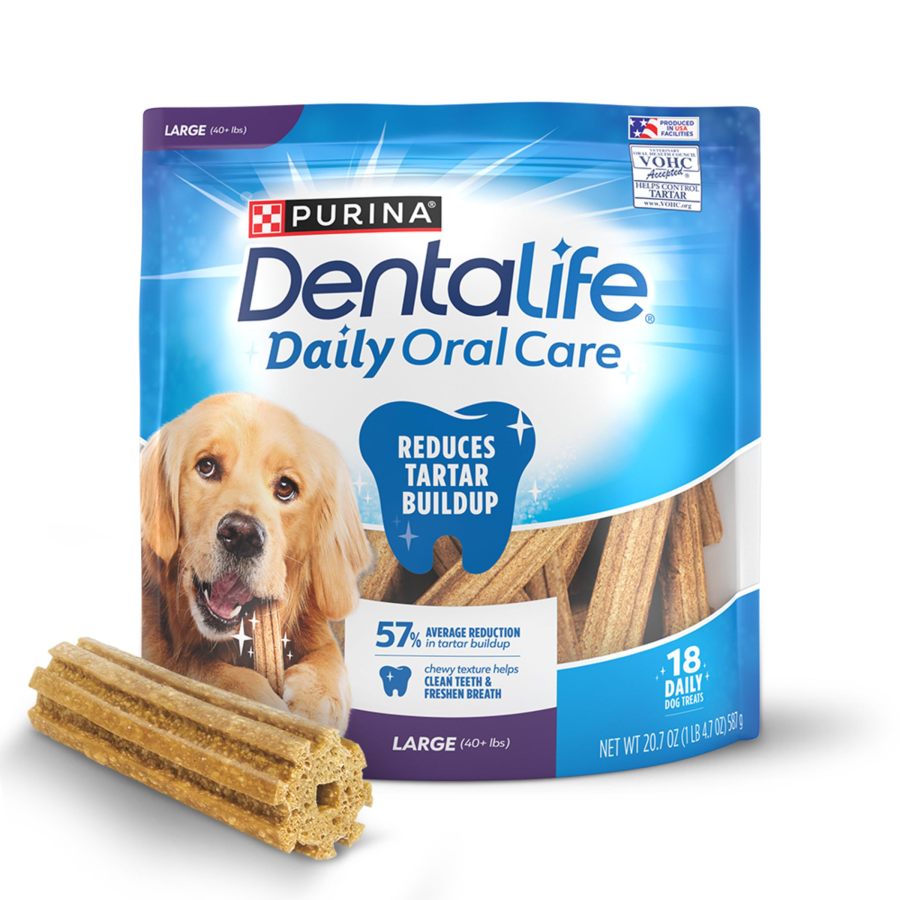
- VOHC Certification: Some leading brands (e.g., Greenies, DentaLife, WHIMZEES) emphasize their professionalism and efficacy by obtaining VOHC (Veterinary Oral Health Council) certification.
- Unique Shape/Texture Design: Designs like Pedigree's X-shape, DentaLife's 8-sided shape, Wonder Bound's 6-sided shape, or WHIMZEES' toothbrush or animal shapes aim to provide deeper, more comprehensive cleaning.
- Natural/Grain-Free/No Artificial Ingredients: Multiple brands emphasize formulas free from artificial colors, flavors, preservatives, or being grain-free, soy-free, corn-free to attract health-conscious consumers.
- Flavor Variety: Beyond common chicken flavor, options like bacon, mint, seafood, or original flavor cater to different canine taste preferences.
- Chew Durability/Chew Time: Some brands promote their products as more durable than competitors', offering longer chewing time and cleaning effect.
5.1.3 Unique Selling Propositions (USPs)
- Delmopinol Ingredient: ORAVET brand's unique active ingredient Delmopinol, claimed to form a protective barrier effectively combating bacteria that cause bad breath.
- Internal Toothpaste Core: Ark Naturals' Brushless Toothpaste series features a design with a chewable 'toothpaste core' inside, claimed to clean and polish teeth from both inside and out.
- Specific Vitamin/Mineral Additions: Brands like Checkups and Wonder Bound add Omega-3 fatty acids and Vitamin C to provide additional benefits like skin/coat health or overall immune support.
5.2 Competitive Landscape
5.2.1 Market Maturity
The dog dental chew market is highly mature, dominated by major pet food brands like Purina, Pedigree, and Greenies. Product homogeneity is relatively high, with core functions of dental cleaning and fresh breath becoming standard. Brand competition primarily focuses on VOHC certification, unique chew shapes, natural/grain-free formulas, and flavor innovation. Market share acquisition often relies on brand awareness and precise targeting of segmented dog needs (e.g., size, age).
5.2.2 Innovation Trends
Current innovation trends are evident in several areas: First, ingredient upgrades, with greater emphasis on natural, additive-free formulas and the introduction of specific functional ingredients (like Delmopinol) to enhance cleaning efficacy. Second, optimization of chewing experience, involving research into chewing mechanics to design more scientific shapes and textures that prolong chewing time and improve cleaning efficiency. Additionally, targeted solutions are emerging, such as special formulas for dogs with sensitive stomachs, fragile teeth, or senior dogs. Finally, health education and transparency are becoming new directions, with brands placing more emphasis on educating consumers about oral care knowledge and product ingredient information.
VI. Marketing Claims vs. Reality Check
The table below analyzes the gap between common marketing claims and actual user experiences in this category:
| Dimension | Marketing Claim | User Reality | Verdict |
|---|---|---|---|
| Digestive System Compatibility | Natural, gentle formula, easy to digest, no side effects. | User reviews for multiple products (e.g., ARK NATURALS, ORAVET, Wonder Bound) show dogs experiencing severe gastrointestinal upset like diarrhea, vomiting, and even bloody stool after consumption. | Sellers overemphasize natural ingredients or easy digestibility but fail to effectively mitigate potential digestive irritation from the actual product formula for some dogs, shifting health risks onto users. |
| Chew Durability | Long-lasting chew, providing ample cleaning time. | Multiple products receive user feedback that dogs 'eat them too fast,' 'not durable,' with some finished in minutes, failing to achieve the ideal prolonged cleaning effect. | Sellers exaggerate the product's durability, leading to a severe mismatch between user expectations for cleaning efficacy and the actual chewing duration, diminishing perceived value. |
| Product's Own Odor | Delicious and enticing, freshens breath. | Multiple products are described in user reviews as 'smell awful,' 'pungent smell,' forming a stark contrast with 'delicious' and 'fresh' marketing claims. | While pursuing canine palatability and dental efficacy, sellers neglect the impact of the product's inherent odor on the owner's sensory experience, creating displeasure during human-pet interaction. |
| Size Suitability | Tailored for specific dog sizes. | A Purina DentaLife product title claims suitability for 5-20 lb small dogs, but its usage guide states it's not for adult dogs under 35 lbs, presenting serious logical contradictions and misleading information. | Sellers lack rigor and consistency in product size labeling, causing consumer confusion during purchase and potentially leading to the purchase of unsuitable products, posing safety risks. |
Key Takeaway: The market is plagued by exaggerated marketing and opaque product specifications, with significant gaps between functional promises and actual user experience, damaging consumer trust.
VII. Supply-Demand Misalignment Analysis
The table below highlights mismatches between seller focus and buyer priorities:
| Dimension | Seller Behavior | User Focus | Verdict |
|---|---|---|---|
| Digestive Safety & Comfort | Sellers commonly emphasize 'natural,' 'easy to digest,' or 'no additives,' but may lack sufficient validation of the actual formula, resulting in frequent reports of gastrointestinal upset in dogs. | Users are most concerned about their dog's health. Feedback about products causing diarrhea and vomiting leads to anger and disappointment regarding the 'easy to digest' promise. | Sellers prioritize idealized ingredient claims over rigorous real-world digestive testing, failing to adequately address users' deep-seated concerns about pet health. |
| Actual Chew Duration | Sellers emphasize the product's 'chewy texture,' 'cleaning action,' implying it provides effective cleaning time, but rarely quantify the actual chew duration. | Users complain that products are 'eaten too fast,' expecting a more durable chew for better cleaning effect and entertainment value. | Sellers fail to accurately capture users' rigid demand for 'durability' in dental chews, causing the product to fall short of user expectations in the core functional experience. |
| Product Odor Impact on Owner | Sellers often emphasize 'delicious chicken flavor,' 'fresh breath,' primarily from the dog's perspective, generally ignoring the sensory perception of the product's odor when opened or handled. | Owners report the product itself 'smells bad,' 'pungent,' affecting the feeding experience and home environment, making it hard to accept even if the dog likes it. | Sellers over-focus on the dog's taste preference and post-consumption effects, neglecting the purchasing decision-maker's (owner's) direct sensory experience of the product odor, leading to user attrition. |
Key Takeaway: While meeting the dog's core needs, sellers overlook the owner's critical concerns regarding product odor and digestive compatibility, and overpromise on chew durability, leading to a supply-demand mismatch.
VIII. Strategic Opportunities & Recommendations
8.1 Ultra-Long-Lasting & Digestive-Friendly Dental Chew
8.1.1 Target Audience & Pain Points
⚡️ Pain Points Addressed: Insufficient chew durability, poor digestive system compatibility.
8.1.2 Action Plan
Develop new resilient plant-based protein or fiber structures to extend chew time (e.g., guarantee at least 15-20 minutes for large breeds). Incorporate prebiotic/probiotic blends into the formula and conduct rigorous digestibility and allergen testing to ensure extreme gentleness.
| Tech Complexity | Medium |
| Cost Impact | Medium Impact |
| Trade-off Warning | Increasing toughness and durability may require a firmer structure, necessitating moderate hardness to avoid tooth damage and ensure it doesn't hinder digestion. |
| Price Band | Only viable above $24.99 |
8.1.3 Marketing Strategy
Emphasize 'Long-Lasting Chew, Gentle on Tummy, No More Digestive Upset.' Build a dual advantage in health and durability through clear chew-time promises, third-party digestibility reports, and veterinary recommendations.
8.2 Odor-Neutral or Pleasant Breath-Freshening Chew
8.2.1 Target Audience & Pain Points
⚡️ Pain Points Addressed: Product itself has an unpleasant odor; post-consumption breath freshening effect is not long-lasting.
8.2.2 Action Plan
Use natural plant extracts (e.g., green tea, mint, parsley seed) to neutralize inherent product odors and provide a subtle, pleasant aroma acceptable to owners. Ensure long-lasting fresh breath for the dog after consumption while being owner-friendly.
| Tech Complexity | Low to Medium |
| Cost Impact | Low Impact |
| Trade-off Warning | Natural flavorings may add minimal cost but have no significant physical side effects; need to balance scent with the dog's natural acceptance. |
| Price Band | Only viable above $14.99 |
8.2.3 Marketing Strategy
Highlight 'A Refreshing Experience Shared by Pet and Owner, Farewell to Awkward Odors.' Utilize owner testimonials sharing the contrast between product scent and improved dog breath to reinforce sensory value.
8.3 Dental Chews for Senior Dogs & Dogs with Sensitive Teeth
8.3.1 Target Audience & Pain Points
⚡️ Pain Points Addressed: Existing products have inconsistent hardness, unsuitable for dogs with fragile or sensitive teeth; lack additional health benefits tailored for senior dogs.
8.3.2 Action Plan
Develop softer, porous, easy-to-chew and digest textures. Consider adding joint-support ingredients like glucosamine and chondroitin. Clearly label packaging as 'For Senior Dogs/Dogs with Sensitive Teeth' and highlight the 'Gentle Cleaning, Joint Care' benefit.
| Tech Complexity | Medium |
| Cost Impact | Medium Impact |
| Trade-off Warning | Excessively soft texture may reduce cleaning friction, requiring compensation via enzymatic active ingredients. Adding senior-specific health ingredients increases formula complexity and cost. |
| Price Band | Only viable above $29.99 |
8.3.3 Marketing Strategy
Targeted marketing emphasizing 'Tailored Gentle Care.' Use user testimonials and veterinary endorsements to highlight the product's benefits for dogs with special needs.
8.4 Accurate Size-Matched Dental Chew Series with Transparent Guidelines
8.4.1 Target Audience & Pain Points
⚡️ Pain Points Addressed: Contradictory product size labeling leads to consumer confusion and poor purchase experience.
8.4.2 Action Plan
Standardize and simplify product size naming, e.g., clearly define 'Mini (<10 lbs),' 'Small (10-25 lbs),' 'Medium (25-50 lbs),' and 'Large (>50 lbs).' Provide clear, intuitive charts or Q&A in the listing to help users select the most suitable size, preventing mispurchases.
| Tech Complexity | Low |
| Cost Impact | Low Impact |
| Trade-off Warning | No direct physical side effects; primarily involves optimizing product information architecture and visual presentation. |
| Price Band | Only viable above $12.99 |
8.4.3 Marketing Strategy
Emphasize 'Clear Size Selection at a Glance, Farewell to Choice Paralysis.' Through educational content, stress the importance of correct size selection for cleaning efficacy and dog safety.