Amazon US Market Analysis: Noise-Reducing Earplugs Category
📊 Executive Summary
📈 Market Trends
Shifting from 'Absolute Silence' to 'Intelligent Noise Management'. The noise-reducing earplug market is evolving from 单纯追求 high-decibel isolation towards more refined, personalized noise management. Consumers want not just noise reduction, but also comfort, health, clarity, and even adjustability. Washable, high-fidelity, multi-mode adjustable products are gaining favor among premium users, indicating increased market stratification.
⚡ Major Pain Points
Coexistence of Inflated Noise Reduction Claims and Fundamental Comfort Flaws. The biggest current market 痛点 lies in the significant gap between seller-promoted noise reduction 效果 (especially for low-frequency noise) and long-term wearing comfort versus user actual experience. Issues like easy slippage, side-sleeping pressure, and sticky, hard-to-clean materials severely impact user satisfaction and product repurchase, damaging trust.
💡 Selection Opportunities
Deep Dive into Niche Scenarios, Break Through with 极致 Experiences. The core opportunity lies in solving the rigid needs for 'ultimate side-sleeping comfort' and 'efficient low-frequency noise filtering', such as developing 'Zero-Pressure Low-Frequency Noise Sleep Earplugs'. Simultaneously, targeting users pursuing higher quality of life, developing 'Smart Acoustic Filter Core, On-Demand Hearing Mode Adjustment' will bring high premium potential. For the mass market, 'Self-Cleaning, Antibiotic, Easy-Care Silicone Earplugs' and 'Deeply Optimized Earplugs for Child Safety & Wearing Comfort' can build advantages through detailed innovation and precise audience targeting.
I. Analysis Overview
1.1 Introduction & Report Scope
This report analyzes the 'Earplugs' category (specifically noise-reducing earplugs) within the Amazon US market, focusing on target user personas, core needs, decision factors, market communication, and potential opportunities.
1.2 Category Snapshot
Noise-reducing earplugs are personal hearing protection devices worn in the ear canal or over the ears to block or reduce environmental noise. The core functionality of products in this category revolves around noise management, aiming to help users achieve tranquility in noisy environments, protect hearing, improve sleep, or enhance focus. Common sub-types include disposable foam earplugs, moldable silicone/wax earplugs, and innovative earplugs featuring high-fidelity or adjustable noise reduction. The following table illustrates the key characteristics of consumer behavior in this category.
| Dimension | Segment | Description |
|---|---|---|
| Need Driver Type | Planned Purchase / Emergency-driven Purchase | Users purchase earplugs for both pre-planned scenarios (e.g., concerts, travel) and emergent needs (e.g., partner snoring, neighbor noise). |
| Purchase Frequency | Medium-Low Frequency | Although disposable options exist, most users tend to purchase multi-pairs or reusable types, resulting in a longer usage cycle. |
| Decision Complexity | Medium | Users compare noise reduction effectiveness (NRR/SNR), wearing comfort, material, and suitability for specific scenarios, conducting multi-faceted evaluations. |
| Price Sensitivity | Medium-High | While low-priced options exist, users are willing to pay a premium for higher comfort and specific features (e.g., high-fidelity sound). |
| Emotional Dependency | Medium-High | Earplugs directly impact users' sleep quality, focus, and hearing health, creating strong emotional dependency and influence on quality of life. |
II. User Personas & Usage Scenarios
2.1 Quiet-Seeking Sleeper
🎯 Individuals chronically troubled by external noise (e.g., partner snoring, noisy neighbors, traffic) who crave deep, peaceful sleep, especially side-sleepers with extremely high demands for comfort.
| Typical Usage Scenarios | Core Pain Points | Primary Purchase Drivers |
|---|---|---|
|
|
|
2.2 Immersive Experience Enthusiast / Professional Hearing Protector
🎯 Individuals frequently attending high-decibel events (concerts, music festivals, shooting sports) or professionals needing hearing protection (musicians, DJs, industrial workers), requiring noise reduction while maintaining sound clarity.
| Typical Usage Scenarios | Core Pain Points | Primary Purchase Drivers |
|---|---|---|
|
|
|
2.3 Noise-Sensitive / Focus-Seeking Individual
🎯 People who feel irritated by everyday environmental noise (e.g., office chatter, café background noise) or need high concentration for studying/working.
| Typical Usage Scenarios | Core Pain Points | Primary Purchase Drivers |
|---|---|---|
|
|
|
III. User Needs Hierarchy (KANO Model)
3.1 Basic Needs (Must-Haves)
- Effective Noise Blocking: Capable of significantly reducing environmental noise to the user's desired quietness level.
- Basic Wearing Comfort: No significant discomfort during initial wear, non-irritating to the ear canal.
- Stays in Place: Remains securely in the ear canal during daily activities or sleep, not easily falling out.
- Safe, Non-Toxic Material: Product material is non-irritating to the skin and does not cause allergies or infections.
3.2 Performance Needs (Linear Satisfiers)
- Long-Term Wearing Comfort: No ear canal pain, soreness, or itching even after several hours of wear.
- Multiple Size Options / Moldability: Offers different earplug sizes or freely moldable designs to fit various ear canal sizes, ensuring optimal fit and seal.
- Specific Noise Frequency Optimization: Enhanced ability to block specific noises (e.g., snoring, low-frequency traffic noise).
- Easy to Clean and Reuse: Product is easy to clean, does not accumulate dirt easily, and maintains performance after repeated use.
3.3 Excitement Needs (Delighters)
- High-Fidelity Sound Preservation: While reducing overall volume, maintains the clarity of key sounds like music and speech without creating a 'muffled' feeling. Users are willing to pay a premium, especially for scenarios like concerts and festivals.
- Multi-Mode Noise Reduction Adjustment: Provides multiple noise reduction modes, allowing users to switch between different reduction levels and sound transparency with one click based on the scenario (e.g., pure sleep, socializing, music). This feature enhances product value and is already practiced in premium products.
- Ultimate Side-Sleeping Comfort: Utilizes ultra-thin or non-canal-insert designs to ensure zero pressure on the ears while side-sleeping. This is a highly sought-after need, especially for sleepers, representing a true differentiating selling point.
- Discreet or Stylish Appearance: Earplugs are inconspicuous when worn or have a fashionable aesthetic, catering to users' desire for appearance, especially in social or public settings.
3.4 Unmet Needs & Opportunities
- Complete Low-Frequency Noise Blocking: Users report that low-frequency noises like air conditioning hum or neighbor's subwoofers are still difficult to block completely, affecting rest or focus.
- Balancing Alert Sounds / Alarms: How to ensure users can hear necessary alert sounds like alarms or fire alerts while providing complete noise isolation, enhancing safety.
- Solving Stickiness / Slipping: Wax earplugs easily stick to hair; some silicone earplugs tend to slip out in sweaty or oily ear canals, affecting stability and hygiene.
- Long-Term Ear Health Assurance: More comprehensive ear canal protection, reducing potential ear issues (like infections or discomfort) from long-term wear.
IV. User Decision Drivers
4.1 Key Decision Factors
- Actual Noise Reduction Effect: Whether it effectively blocks the target noise is the primary consideration for purchase. NRR/SNR values are important references, but actual experience is more critical.
- Wearing Comfort: The ability to wear for extended periods without causing ear canal discomfort directly impacts user willingness to use and satisfaction.
- Fit and Stability: Whether the earplugs stay securely in the ear, not easily falling out or shifting, especially during sleep and movement.
4.2 Secondary Decision Factors
- Scenario Versatility: Whether the product meets various noise reduction needs (sleep, work, entertainment, travel, etc.), enhancing cost-effectiveness.
- Reusability and Durability: Whether the product is easy to clean, reusable, reducing long-term purchase costs, and reflecting environmental friendliness.
- Impact on Sound Quality: For music enthusiasts or those with social needs, whether it maintains sound clarity and natural voice quality while reducing noise.
- Size Adaptability: Availability of multiple sizes or moldability to fit individual ear canals, ensuring the best seal.
- Brand Reputation & Professional Endorsement: Users tend to choose brands with good reviews and recommendations from doctors/professional organizations, building trust.
V. Selling Points & Competitive Landscape
5.1 Selling Point Analysis
5.1.1 Standard Features (Points of Parity)
- High Noise Reduction Rating: Most products emphasize high NRR/SNR values, claiming effective noise blocking suitable for various scenarios like sleep, study, work, travel, concerts, shooting.
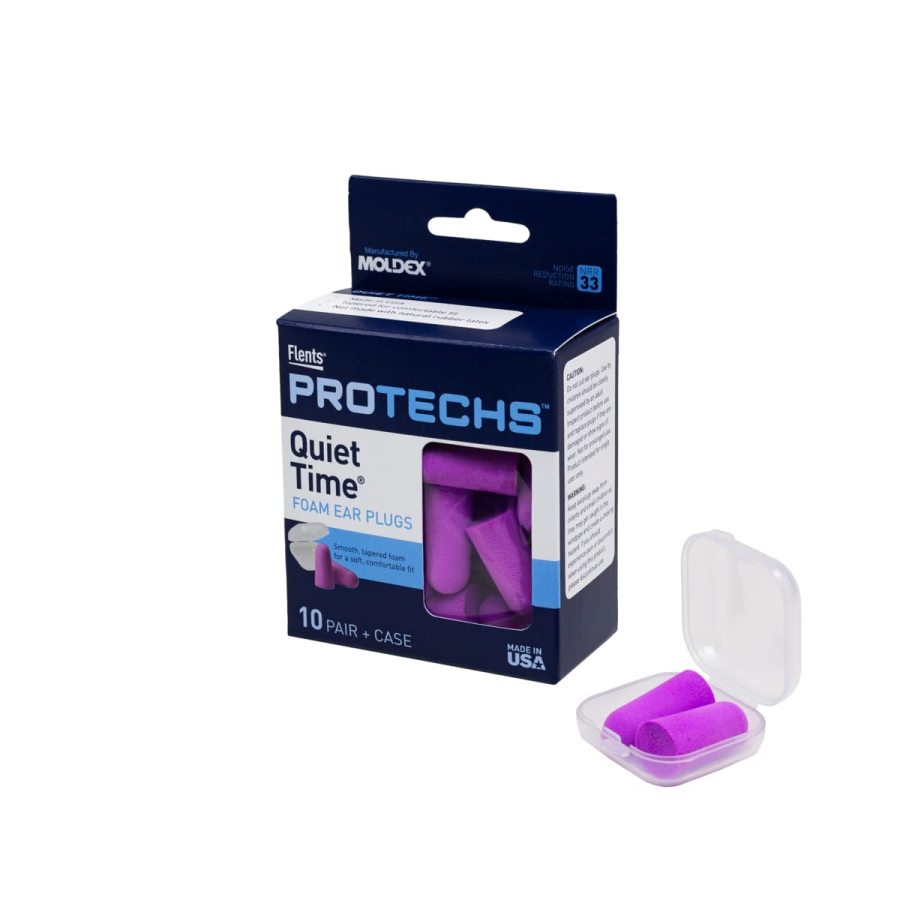
- Soft, Comfortable Material: Widespread promotion of products using soft PU foam or silicone materials aimed at providing a comfortable wearing experience.
- Multi-Scenario Versatility: Almost all sellers list multiple usage scenarios to attract a broader user base.
- Portable Storage: Most products include a small storage case or pouch for easy daily carrying and hygiene maintenance.
5.1.2 Key Differentiators
- High-Fidelity / Sound Preservation: Some silicone earplugs emphasize that music and speech clarity remain unaffected while reducing noise, targeting music lovers and those with social needs.
- Specific User / Size Optimization: Examples include designs specifically for small ear canals, children's sizes, or emphasizing suitability for side-sleeping, addressing specific user pain points.
- Washable / Reusable: Silicone and wax earplugs highlight their durability, ease of cleaning, and eco-friendliness, contrasting with disposable foam earplugs.
- Brand Endorsement & Certification: Claims like 'Doctor Recommended', 'Made in USA', 'Official Partnership (e.g., USA Swimming)' enhance product credibility.
5.1.3 Unique Selling Propositions (USPs)
- Adjustable Noise Reduction Modes: The Loop Switch series offers multiple noise reduction options, allowing users to switch with one click for personalized noise management.
- Innovative Structure & Aesthetic Design: The Loop series uses unique ring or flat designs aimed at enhancing comfort, aesthetics, and discretion.
- Child-Specific Design: Mack's Kids Size earplugs are specifically optimized for children's ear canal size, safety, and color, emphasizing water protection.
5.2 Competitive Landscape
5.2.1 Market Maturity
The noise-reducing earplug market is relatively mature. Basic noise isolation and wearing comfort are now standard features. Brands compete by emphasizing material properties, multi-purpose use, and portability. However, there remains room for differentiation and innovation in deeper comfort aspects (especially for side-sleepers), specific functions (like high-fidelity sound, adjustable noise reduction), and adaptation for niche user segments.
5.2.2 Innovation Trends
Category innovation is evolving from 单纯的 'noise isolation' towards more refined 'noise management'. This involves focusing on sound clarity, personalized user experience (e.g., size matching, multi-mode adjustment), and discreet/fashionable wearability while reducing noise. Additionally, sustainability and eco-friendly materials are becoming selling points for some products, aligning with modern consumption trends.
VI. Marketing Claims vs. Reality Check
The table below analyzes the gap between common marketing claims and actual user experiences in this category:
| Dimension | Marketing Claim | User Reality | Verdict |
|---|---|---|---|
| Actual Noise Reduction Effect | Claims of high-efficiency noise isolation from 32dB to 45dB, capable of blocking all noise. | Multiple products receive user feedback indicating unstable actual noise reduction performance, with limited effectiveness against low-frequency noise (e.g., snoring, AC hum), failing to meet the high advertised expectations. | Sellers promote using ideal lab data or maximum possible values, creating a huge gap with users' subjective experience in real-world complex environments, leading to质疑 of this core selling point. |
| Long-Term Wearing Comfort and Stability | Ultra-soft, slow-rebound,极致舒适贴合, especially suitable for side-sleeping, zero pressure even when worn all night. | Numerous users report earplugs easily slipping out, poor stability (especially during sleep), or causing ear canal discomfort, pain, or itching after prolonged wear (particularly when side-sleeping). | Comfort and stability are often mutually exclusive with current materials and structural designs. Extreme softness may sacrifice support, leading to instability; while追求 stability may sacrifice softness, causing pressure. Sellers fail to effectively balance these, resulting in unfulfilled core comfort promises. |
| Material Durability and Cleaning Convenience | Reusable, long-lasting, easy to clean, eco-friendly. | Wax earplugs easily attract hair and dust and are hard to clean thoroughly; some silicone earplugs are too soft and risk tearing; foam earplugs lose rebound performance after reuse, reducing noise reduction effectiveness, leading to shorter lifespan than expected. | Sellers' claims of 'reusable' and 'easy to clean' conflict with the physical properties and actual maintenance difficulties of different materials. Users pay for long-term use but face higher-than-expected costs for durability and hygiene maintenance. |
Key Takeaway: The market is generally characterized by inflated claims regarding noise reduction values and comfort experience parameters, leading to a significant gap between seller promises and user actual perception.
VII. Supply-Demand Misalignment Analysis
The table below highlights mismatches between seller focus and buyer priorities:
| Dimension | Seller Behavior | User Focus | Verdict |
|---|---|---|---|
| Low-Frequency Noise Filtering Capability | Sellers普遍 emphasize overall NRR/SNR values but rarely specify the product's attenuation effect on low-frequency noise (e.g., AC hum, neighbor's bass). | Users highly关注 and complain that low-frequency noise is a core干扰源 affecting sleep and focus, and existing earplugs perform poorly against it, hoping for stronger low-frequency blocking. | Sellers fail to accurately address users' most urgent low-frequency noise pain point in their noise reduction claims, leading to post-purchase disappointment and missing a key opportunity to build trust. |
| Ultimate Side-Sleeping Wearing Experience | Most products only泛泛 mention 'comfortable wear' or 'suitable for sleep'; a few briefly mention 'suitable for side-sleeping' but lack targeted design and detailed user experience promises. | Among quiet-seeking sleepers, side-sleepers represent a high proportion with extremely high demands for 'pressure-free' wear. They普遍 complain that current earplugs cause pressure or easily fall out when side-sleeping. | Sellers fail to fully identify and meet the highly painful and potentially premium 'ultimate side-sleeping comfort'细分需求, resulting in平庸 performance in this critical experience aspect. |
| Value Communication of High-Fidelity & Adjustable Noise Reduction | Sellers in the mid-to-low-end market still focus on high NRR and generic comfort. The unique selling points of high-fidelity/adjustable earplugs (e.g., Loop series) have not yet gained widespread awareness in the mass market. | Some premium users desire sound clarity or on-demand noise level adjustment while reducing noise, but often are unaware of existing innovative products or perceive their prices as too high. | Although innovative products exist, their value communication remains insufficient in the mass market, failing to effectively activate高端 demand. Simultaneously, mid-to-low-end products often堆砌 generic features without identifying the true differentiated needs of core user segments. |
Key Takeaway: Sellers over-promote absolute noise reduction values and generic comfort, neglecting users' deep-seated pain points regarding low-frequency noise filtering, extreme comfort scenarios (side-sleeping), and long-term product hygiene and durability, leading to a misalignment of focus between supply and demand.
VIII. Strategic Opportunities & Recommendations
8.1 Zero-Pressure Low-Frequency Noise Sleep Earplugs
8.1.1 Target Audience & Pain Points
⚡️ Pain Points Addressed: Discomfort during long-term wear (especially side-sleeping), limited low-frequency noise blocking, prone to falling out.
8.1.2 Action Plan
Adopt ultra-thin/flat designs to avoid protruding from the ear, eliminating side-sleeping pressure; integrate multi-layer composite sound-absorbing materials optimized for low-frequency noise; offer multiple very small size options for a tight fit without ear canal pressure. Materials need oil resistance and anti-slip properties.
| Tech Complexity | Medium |
| Cost Impact | Medium Impact |
| Trade-off Warning | Achieving an ultra-thin or flat design might slightly sacrifice overall noise reduction decibels (especially mid-high frequencies), but prioritizes low-frequency optimization and comfort. Requires using new high-density sound-absorbing materials. |
| Price Band | Only viable above $24.99 |
8.1.3 Marketing Strategy
Position as 'Born for Side-Sleeping, Zero-Feel Silence All Night'; highlight 'Specialized for snoring, subwoofers' low-frequency noise filtering效果'; showcase comfortable wearing images while side-sleeping, reinforcing problem-solving capability.
8.2 Smart Acoustic Filter Core, On-Demand Hearing Mode Adjustment
8.2.1 Target Audience & Pain Points
⚡️ Pain Points Addressed: Sound distortion, communication barriers, balancing alert sounds/alarms, inconvenient switching between multiple scenario needs.
8.2.2 Action Plan
Develop earplugs with built-in micro smart chips and switchable acoustic filters, offering modes like 'Pure Noise Reduction', 'High-Fidelity Music', 'Voice Enhancement', and 'Alert Sound Passthrough', switchable via micro-buttons on the earplugs or an app. Ensure stable Bluetooth connection and low latency.
| Tech Complexity | High |
| Cost Impact | High Impact |
| Trade-off Warning | Integrating smart chips and acoustic filter cores increases product volume and weight, affecting极致 portability; requires battery power, adding charging needs. Must pass FCC certification. |
| Price Band | Only viable above $59.99 |
8.2.3 Marketing Strategy
Emphasize 'Your Auditory World, Your Control'; demonstrate scenarios like enjoying clear music at concerts while easily communicating with friends; highlight the unique selling point of 'Balancing Safety and Immersion'.
8.3 Self-Cleaning, Antibiotic, Easy-Care Silicone Earplugs
8.3.1 Target Audience & Pain Points
⚡️ Pain Points Addressed: Solving stickiness/slipping, easy dust attraction, difficult cleaning, long-term ear health assurance.
8.3.2 Action Plan
Use medical-grade silicone with nano-level hydrophobic/antibiotic surface treatment to resist dust, skin flakes, and ear canal secretions; design structures easier to rinse, and provide配套 portable disinfectant spray or UV sterilization box. Promise materials are free from potential residue.
| Tech Complexity | Medium |
| Cost Impact | Medium Impact |
| Trade-off Warning | Special surface treatments or antibiotic additives might increase material cost but won't affect core physical性能. |
| Price Band | Only viable above $19.99 |
8.3.3 Marketing Strategy
Highlight 'Antibiotic Anti-Stick, Lasting Clean Like New'; emphasize 'Easy Rinse, Farewell to Ear Canal Health Concerns'; show hygiene comparisons after long-term use to reinforce user peace of mind.
8.4 Deeply Optimized Earplugs for Child Safety & Wearing Comfort
8.4.1 Target Audience & Pain Points
⚡️ Pain Points Addressed: Wearing discomfort, poor size adaptability, versatility limitations, potential material residue, safety hazards (e.g., swallowing).
8.4.2 Action Plan
Provide finer child ear canal size gradations (e.g., XS+, XXS); use ultra-soft, non-toxic food-grade silicone ensuring no irritation; design anti-swallowing structures (e.g., adding connectors to prevent complete entry into the ear canal); offer bright, visible colors and safety material certifications (e.g., CPC).
| Tech Complexity | Low |
| Cost Impact | Low Impact |
| Trade-off Warning | Special child-safe designs (e.g., anti-swallowing structures) might slightly limit aesthetic freedom, but priority is extremely high. Requires CPC certification. |
| Price Band | Only viable above $14.99 |
8.4.3 Marketing Strategy
Emphasize 'Pediatrician Recommended, Protecting Baby's Hearing Health'; highlight 'Exclusive Design for Small Ear Canals, Worry-Free Wear'; use images of children using the product to demonstrate safety, comfort, and parental peace of mind.