Amazon US Market Analysis: Meat Tenderizers Category
📊 Executive Summary
📈 Market Trends
Quality and Hygiene Drive Consumption, Functional Homogenization Intensifies Competition. The meat tenderizer market is maturing, with consumers demanding higher standards for material, durability, and cleaning convenience. Hammer and needle styles coexist, but lack disruptive innovation. Mainstream selling points concentrate on stainless steel, easy cleaning, and multi-functionality.
⚡ Major Pain Points
Material Mislabeling and Cleaning Dead Spots are Critical Flaws. Users are generally skeptical about material authenticity (e.g., stainless steel actually being aluminum), and dishwasher compatibility often mismatches real-world experience, leading to rust and discoloration. Needle tenderizers are difficult to clean, posing hygiene risks, while hammer tenderizers face operational pain points like loud noise and damaging thin cuts.
💡 Selection Opportunities
Deep Dive into Hygiene Pain Points, Enhance Operational Detail Experience. Market opportunities lie in developing Modular, Detachable Needle Tenderizers to solve cleaning challenges, and launching Quiet, Cushioned Hammer Tenderizers to optimize handling of thin cuts and grip. Simultaneously, build brand trust through Transparent Material Certification and Extended Warranties to capture the mindshare of quality-sensitive users.
I. Analysis Overview
1.1 Introduction & Report Scope
This report analyzes the 'Tenderizers' category (Meat Tenderizers) on the Amazon US market, focusing on target user personas, core needs, decision factors, market communication, and potential opportunities.
1.2 Category Snapshot
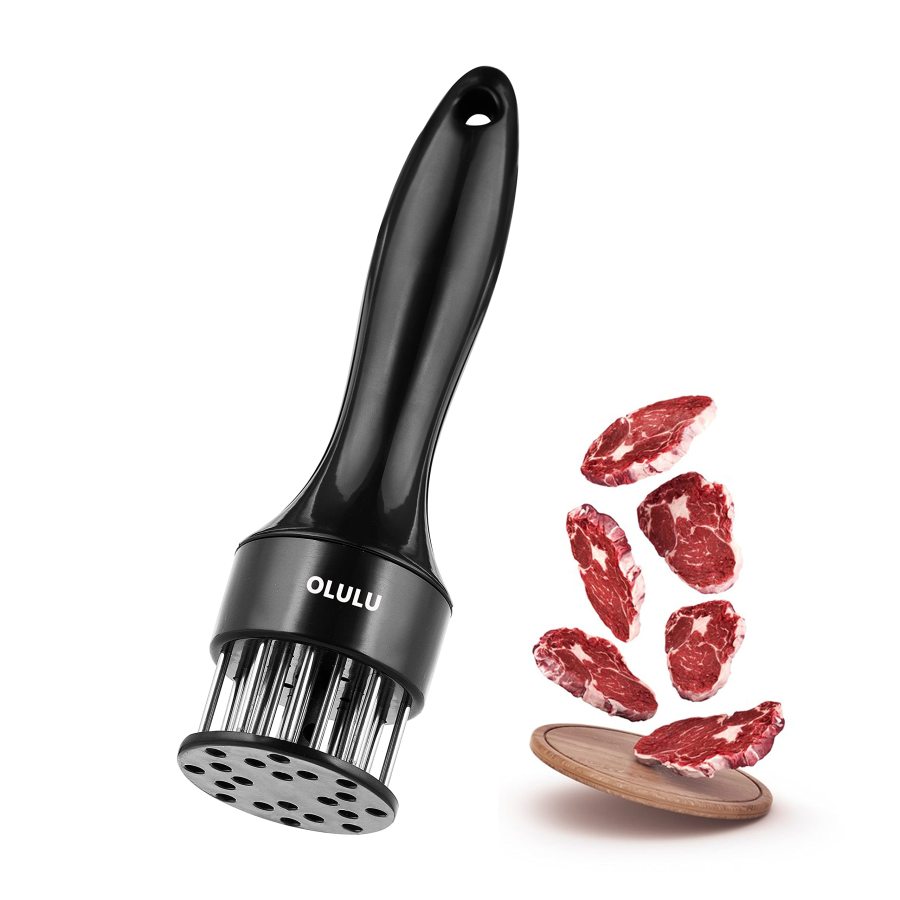
A meat tenderizer is a kitchen tool used to improve meat texture and enhance cooking efficiency. Its core function is to physically break down meat fibers (through pounding or piercing), making it more tender, better at absorbing marinades, and reducing cooking time. The category is primarily divided into two sub-types: Hammer-Style Tenderizers (for pounding and flattening meat cuts) and Needle/Piercing-Style Tenderizers (for piercing to loosen meat fibers). The following table illustrates the key characteristics of consumer behavior in this category.
| Dimension | Segment | Description |
|---|---|---|
| Need Driver Type | Planned Purchase/Emergency-driven Purchase | Purchases typically stem from anticipated cooking needs, such as wanting to improve meat texture or speed up marination. It may also serve as an immediate solution when dealing with tough cuts of meat. |
| Purchase Frequency | Low Frequency | As a durable kitchen tool, it is usually purchased once and can last for years. Repurchase frequency is extremely low, unless the product breaks or a significant functional upgrade is desired. |
| Decision Complexity | Medium | Consumers compare material, durability, cleaning convenience, tenderizing effectiveness, and price, but generally do not invest extensive time in deep research. |
| Price Sensitivity | Medium | Price is an important consideration, but users are also willing to pay a reasonable premium for high-quality, hygienically safe, durable products that significantly enhance the cooking experience. |
| Emotional Dependency | Low | Primarily driven by practicality, with low emotional value weight. However, product reliability, hygiene, and the improvement in cooking results can provide a sense of satisfaction. |
II. User Personas & Usage Scenarios
2.1 Everyday Home Cook
🎯 Focuses on delicious and healthy family meals, seeks to improve cooking quality with simple, efficient tools, especially when handling common meats.
| Typical Usage Scenarios | Core Pain Points | Primary Purchase Drivers |
|---|---|---|
|
|
|
2.2 Quality-Seeking Cooking Enthusiast
🎯 Has higher demands for the material, design, and functionality of kitchenware. Enjoys trying more efficient or hygienic cooking tools and seeks to maximize their utility.
| Typical Usage Scenarios | Core Pain Points | Primary Purchase Drivers |
|---|---|---|
|
|
|
III. User Needs Hierarchy (KANO Model)
3.1 Basic Needs (Must-Haves)
- Effective Tenderizing: The product must significantly improve meat texture, making it more tender and easier to chew.
- Safe Materials: Food-contact parts must use food-grade materials (e.g., 304 stainless steel), ensuring they are non-toxic, harmless, and non-reactive with food.
- Easy to Use: The operation should be intuitive and simple, requiring no complex learning curve, whether pounding or piercing.
- Sturdy and Durable: The product should have sufficient strength, resisting bending, deformation, or breakage, and withstand repeated use.
3.2 Performance Needs (Linear Satisfiers)
- Easy to Clean: The product structure should facilitate cleaning, ideally being dishwasher-safe, to avoid food residue buildup and reduce hygiene risks.
- Promotes Marinade Absorption: Effectively helps marinades penetrate meat faster and deeper, enhancing overall flavor and seasoning uniformity.
- Reduces Cooking Time: By tenderizing or flattening meat, heat penetration is accelerated, thereby reducing cooking duration and saving energy.
- Comfortable Grip: Handle design should be ergonomic, providing a non-slip and comfortable grip to reduce fatigue during prolonged use.
- Multi-Functional Use: Beyond tenderizing, it can serve other kitchen needs like crushing ice, mashing garlic, or cracking nuts, increasing tool utilization.
3.3 Excitement Needs (Delighters)
- One-Piece/Seamless Design: No seams or joints, enhancing not only aesthetics but also significantly improving hygiene, safety, and durability by preventing dirt traps.
- Ergonomic Balanced Weight: Ideal weight and balance make operation less labor-intensive, better utilizing gravity, and reducing fatigue during extended use.
- Extended/Lifetime Warranty Service: Offering a five-year or even lifetime warranty provides immense consumer confidence and peace of mind, demonstrating the brand's commitment to product quality.
- Quiet Operation: Significantly reduces noise during tenderizing or pounding, providing a quieter, more pleasant kitchen environment.
3.4 Unmet Needs & Opportunities
-
Deep Cleaning Challenge for Needle Tenderizers: Difficult to thoroughly clean between needles or inside crevices, raising user concerns about hygiene hazards and bacterial growth affecting food safety.
User Reviews (VOC) Hard to clean between the punches. I just put it in dishwasher. // Water and whatever else gets trapped inside the tool so you can never really sanitize it.
-
Material Authenticity vs. Labeling Mismatch: Some products are advertised as stainless steel but are actually made from easily oxidized or discolored aluminum alloys, leading to consumer dissatisfaction and a trust crisis.
User Reviews (VOC) Not 100% stainless steel. // I ordered the Farberware... advertised as "stainless steel" but it is not, it is "aluminum".
-
Hammer Tenderizer Damage to Thin Cuts: Some hammer tenderizers have edges that are too sharp, which can cut through tender meats like chicken rather than flattening them evenly, affecting shape and texture.
User Reviews (VOC) My only critique would be that the edge on the flat side of the tenderizer is pretty sharp and tends to cut through tender meats like chicken.
-
Slippery All-Metal Handle: Pure stainless steel handles can become slippery in hot, humid kitchens due to sweat or grease, compromising operational safety and comfort.
User Reviews (VOC) with been all metal I think in hot kitchen will cause handle be slippy with perspiration so maybe wear rubber gloves or something don't slip
-
Insufficient Blade Spring Tension or Jamming in Needle Tenderizers: Some needle tenderizers have springs with inadequate recoil force, causing blades to get stuck in meat or requiring excessive force for effective penetration, impacting efficiency.
User Reviews (VOC) The pins are constantly coming out of alignment with the holes when I'm trying to tenderize meat. So I have to kind of spin it a little bit to get into a line up again. // The spring on the inside of the handle I feel is probably not going to hold up.
IV. User Decision Drivers
4.1 Key Decision Factors
- Tenderizing Effectiveness: Whether the product can effectively improve meat texture, making it more tender and easier to chew, is the core criterion for consumer purchase and evaluation.
- Material Quality & Hygiene Safety: Consumers are highly concerned about whether the food-contact material is safe, rust-resistant, corrosion-resistant, and easy to thoroughly clean to avoid bacterial growth.
- Sturdy Durability: Whether the product can be used long-term without damage or deformation is a key factor for consumers to assess value and avoid repurchasing.
- Easy to Clean: For kitchenware in direct contact with raw meat, cleaning convenience and thoroughness are crucial, impacting daily user experience and food safety.
4.2 Secondary Decision Factors
- Operational Comfort & Effortlessness: Handle comfort, tool weight distribution, and ease of operation affect user fatigue during prolonged use.
- Multi-Functional Use: Beyond tenderizing, whether it can handle other kitchen tasks like crushing ice, mashing garlic, or cracking nuts enhances cost-effectiveness and practicality.
- Product Safety Features: Safety designs such as blade guards for needle tenderizers or one-piece construction for hammer tenderizers to prevent head detachment.
- Price & Brand: Once core functionality and quality are met, price becomes a consideration for choosing among similar products. Well-known brands or those offering long-term warranties are more trusted.
- Noise Level: The noise generated by hammer tenderizers during pounding affects user experience and household disturbance.
V. Selling Points & Competitive Landscape
5.1 Selling Point Analysis
5.1.1 Standard Features (Points of Parity)
- Stainless Steel Material: Almost all products emphasize the use of stainless steel (or claim to be stainless steel), highlighting durability and hygiene.
- Easy to Clean/Dishwasher Safe: Sellers commonly emphasize easy cleaning, with many claiming dishwasher compatibility to address consumer cleaning concerns.
- Effective Tenderizing: As the core function, all products claim to significantly improve meat texture, making it more tender.
- Multi-Functionality: Many products advertise additional uses like crushing ice, mashing garlic, or cracking nuts, emphasizing added value and versatility.
5.1.2 Key Differentiators
- Heavy-Duty/Weighted: Hammer tenderizers emphasize their weight to assist with effort, improving pounding efficiency and results.
- Dual-Sided Design: Hammer tenderizers typically offer a spiked side and a flat side for tenderizing and flattening meats of different thicknesses.
- Super Sharp Needles: Needle tenderizers emphasize sharp needles that easily penetrate meat fibers, speeding up marination and cooking.
- Ergonomic Handle/Balanced Weight: Emphasizes grip comfort, reduces long-term fatigue, and improves operational precision and control.
- One-Piece/Seamless Design: Some products emphasize seamless construction to enhance hygiene, safety, durability, and overall aesthetics.
- Reduces Marination/Cooking Time: Positioned as an added value for improving cooking efficiency by accelerating marinade absorption and heat penetration through tenderizing.
5.1.3 Unique Selling Propositions (USPs)
- Specific Stainless Steel Grade Certification: Clear labeling of food-grade 304 (18/8) stainless steel, with third-party certification or promises, to enhance consumer trust.
- Extended/Lifetime Warranty: Offering a five-year or longer warranty promise significantly differentiates from products with only short-term or no guarantees, demonstrating confidence in quality.
- Unique Safety Protection Design: For example, needle tenderizers with more reliable blade safety locks or detachable cleaning structures.
5.2 Competitive Landscape
5.2.1 Market Maturity
The meat tenderizer market is relatively mature, with stable product categories and functions. Most product iterations focus on the core tenderizing function, primarily improving materials, handling feel, and cleaning convenience. Homogeneous competition is intense, forcing brands to seek unique advantages.
5.2.2 Innovation Trends
Current innovation trends are mainly reflected in material upgrades (e.g., emphasizing higher-grade stainless steel), design optimization (e.g., one-piece construction, ergonomic handles), and refinement of functional details (e.g., needle types emphasizing minimal meat shape damage, hammer types emphasizing multi-purpose use). No disruptive technological innovations have emerged; more are micro-innovations and experience enhancements based on user pain points.
VI. Marketing Claims vs. Reality Check
The table below analyzes the gap between common marketing claims and actual user experiences in this category:
| Dimension | Marketing Claim | User Reality | Verdict |
|---|---|---|---|
| Material Authenticity and Durability | Claims of using premium '304 Stainless Steel', ensuring no rust, sturdy durability, and dishwasher compatibility. | Multiple user feedback indicates products are not 100% stainless steel (e.g., Farberware products are actually aluminum) or experience discoloration, coating peeling, or even metal dust leaching after dishwasher cycles, questioning material mislabeling or substandard quality. | Sellers engage in vague marketing around 'stainless steel,' with actual product materials deviating significantly from consumer expectations. This causes the core promises of durability and hygiene safety to fail, severely damaging brand trust. |
| Cleaning Convenience for Needle Tenderizers | Claims of being 'Easy to Clean' or 'Dishwasher Safe,' with needles rinsing clean easily and no hygiene dead spots. | Extensive user feedback reports difficulty thoroughly cleaning between needles or inside crevices, leading to meat residue and moisture retention, causing hygiene concerns. Even dishwasher cleaning fails to solve this, with some users abandoning the product. | A logical paradox exists between the product's structural design and the 'easy to clean' marketing promise. Sellers have not fundamentally addressed the cleaning pain point of the needle structure, leading to user concerns about food safety and impacting the product's long-term value. |
| Hammer Tenderizer Operational Experience | Heavy-duty design for easy, effortless tenderizing; dual-sided for multi-functionality; effectively flattens meat cuts. | Some hammer tenderizers have edges on the flat side that are too sharp, cutting through thin chicken breasts rather than flattening them evenly. Also, all-metal handles can become slippery in damp or greasy conditions, affecting operational safety and comfort. | In pursuit of pounding force and flattening functionality, sellers failed to fully consider practical usage scenarios like edge dulling and handle grip. This results in suboptimal performance for specific tasks and creates additional hassle. |
Key Takeaway: The market is plagued by exaggerated marketing claims and inconsistent product information, particularly regarding material claims and cleaning convenience, where a clear gap exists with user experience.
VII. Supply-Demand Misalignment Analysis
The table below highlights mismatches between seller focus and buyer priorities:
| Dimension | Seller Behavior | User Focus | Verdict |
|---|---|---|---|
| Material Transparency and Promise Fulfillment | Commonly emphasizes '304 Stainless Steel,' 'Sturdy Durability,' but lacks clear, verifiable explanations about differences in stainless steel grades, potential issues with alloys, and real-world dishwasher compatibility effects. | Users repeatedly question material authenticity, complain about discoloration/peeling after dishwasher use, and urgently need transparent material reports and reliable long-term usage promises. | Sellers lack substantive detail and follow-through in material claims, leading to consumer distrust in the product's foundation, a key factor driving negative reviews and returns. |
| Internal Cleaning Solutions for Needle Tenderizers | Needle tenderizers generally advertise 'Easy to Clean,' 'Dishwasher Safe,' but offer no innovative solutions or detailed guidance for cleaning the dense internal needle structure. | Users frequently complain about difficulty cleaning between needles, worrying about food residue and bacterial growth, and generally believe existing cleaning methods are insufficient to ensure hygiene. | Sellers in the needle tenderizer category avoid addressing the core hygiene cleaning challenge, sticking to superficial claims. This misses the opportunity to solve users' deep-seated pain points through structural innovation. |
| Noise and Precision of Use for Hammer Tenderizers | Hammer tenderizers mostly emphasize 'Heavy-Duty & Effortless,' 'Multi-Functional,' but rarely mention or optimize pounding noise, nor provide solutions to avoid pulverizing thin cuts. | Users report loud pounding noise disturbing the kitchen environment and worry about over-damaging thin meat shapes, desiring more refined, quieter tools. | Sellers' functional optimization for hammer tenderizers leans towards power and breadth, overlooking users' pursuit of more refined, quieter operational experiences, failing to fully meet segmented scenario needs. |
Key Takeaway: Sellers' marketing overemphasizes basic functions and vague material advantages while collectively neglecting users' core pain points regarding genuine product quality, deep cleaning, and usage detail optimization, leading to a misalignment between supply and demand focus.
VIII. Strategic Opportunities & Recommendations
8.1 Modular, Detachable Needle Tenderizer
8.1.1 Target Audience & Pain Points
⚡️ Pain Points Addressed: Deep Cleaning Challenge for Needle Tenderizers; Material Authenticity vs. Labeling Mismatch.
8.1.2 Action Plan
Design a completely detachable needle assembly or base module for thorough rinsing and disinfection. Use visual disassembly steps to lower user learning curve. Ensure all food-contact parts are food-grade 304 stainless steel.
| Tech Complexity | Medium |
| Cost Impact | Medium Impact |
| Trade-off Warning | Increased structural complexity may raise initial mold costs and require higher assembly precision, but ultimately enhances user value and market pricing potential. |
| Price Band | Only viable above $19.99 |
8.1.3 Marketing Strategy
Emphasize 'Detachable for Spotless Cleaning, Hygiene You Can See.' Use comparison demos to showcase superior cleaning ability. Provide food safety certifications. Highlight the value proposition: 'Cook with Confidence, Upgrade Your Health.'
8.2 Quiet, Cushioned Hammer Tenderizer
8.2.1 Target Audience & Pain Points
⚡️ Pain Points Addressed: Hammer Tenderizer Damage to Thin Cuts; Noise and User Experience; Slippery All-Metal Handle.
8.2.2 Action Plan
Redesign the hammer head, dulling the edges on the flat side to reduce tearing of thin cuts. Fill the head interior with shock-absorbing material (e.g., special polymer) to dampen noise. Use food-grade silicone wrap or anti-slip texture on the handle to improve grip safety and comfort.
| Tech Complexity | Medium |
| Cost Impact | Medium Impact |
| Trade-off Warning | Introducing cushioning material may slightly increase head volume, requiring a balance between size and weight. Handle grip enhancements may add material and process costs. |
| Price Band | Only viable above $18.99 |
8.2.3 Marketing Strategy
Promote 'Quiet Design, Cooking Without Disturbance.' Showcase comparison videos of flattening thin cuts without damage, emphasizing 'Precise Shaping, Preserves Meat Integrity.' Highlight 'Non-Slip Handle, Effortless Control' to elevate the premium user experience.
8.3 Long-Term Anti-Oxidation Certified Hammer Tenderizer
8.3.1 Target Audience & Pain Points
⚡️ Pain Points Addressed: Material Authenticity vs. Labeling Mismatch; Low-Quality Materials Prone to Rust/Damage.
8.3.2 Action Plan
Commit to 100% food-grade 304 stainless steel, one-piece or seamless weld construction. Obtain authoritative third-party material certifications (e.g., SGS). Offer a five-year or longer anti-rust/anti-oxidation warranty promise.
| Tech Complexity | Low |
| Cost Impact | Low Impact |
| Trade-off Warning | No significant physical side effects, mainly involves upgrading material grade and certification costs. |
| Price Band | Only viable above $24.99 |
8.3.3 Marketing Strategy
Emphasize 'Genuine Materials, A Promise Against Rust.' Display clear material test reports and production process videos in the listing. Build brand image with 'Trustworthy Heirloom Kitchenware' to attract consumers seeking ultimate quality.
8.4 Self-Cleaning/Semi-Automatic Needle Tenderizer
8.4.1 Target Audience & Pain Points
⚡️ Pain Points Addressed: Deep Cleaning Challenge for Needle Tenderizers; Operation Requires Excessive Force or Jamming.
8.4.2 Action Plan
Develop a needle tenderizer with a hand-crank or press-lever mechanism to mechanically assist needle penetration, reducing user effort. Research integrated self-cleaning modules (e.g., small high-pressure water jets or rotating brushes) for automatic needle cleaning.
| Tech Complexity | High |
| Cost Impact | High Impact |
| Trade-off Warning | Introducing mechanical structures may increase volume and weight, requiring a balance with portability. Costs rise significantly, necessitating targeting the premium market. |
| Price Band | Only viable above $49.99 |
8.4.3 Marketing Strategy
Highlight 'Effortless Upgrade, One-Click Clean.' Emphasize 'Professional-Grade Kitchen Tool, Combining Efficiency and Hygiene.' Target the premium market, showcasing technological innovation and ultimate convenience.