Amazon US Market Analysis: Pet Enrichment Slow Feeders Category
📊 Executive Summary
📈 Market Trends
Portability, multi-functionality, intellectualization, and emotional soothing are becoming mainstream. The Pet Enrichment Slow Feeder market is maturing. Consumers are no longer satisfied with 单纯的 slow feeding, 转而 pursuing multi-functional products that 兼顾 digestive health, mental stimulation, emotional 安抚,and convenient use. Innovations like magnetic attachment, puzzle mazes, and multi-piece sets are emerging, with market competition shifting from price to value and experience.
⚡ Major Pain Points
Insufficient chew resistance, questionable adhesion, and cleaning difficulties are major flaws. Users commonly complain that existing products cannot withstand strong chewing, leading to short lifespans and ingestion risks. Simultaneously, many products boasting 'strong suction cups' have insufficient adhesion in practice, easily sliding. Additionally, cleaning challenges for wet food caused by complex maze designs severely impact user experience; these are core reasons for returns and negative reviews.
💡 Selection Opportunities
Deeply address core pain points, solidify user experience. Market opportunities lie in developing truly 'high-strength chew-resistant' enrichment slow feeders to fill the high-end durable market gap. Simultaneously, achieve 'all-scenario super strong adhesion' through optimized suction cup technology, solving the user's anti-slip pain point. Launch targeted 'wet-food friendly easy-clean slow feeder bowls' to enhance daily usability. Develop 'graduated progressive puzzle slow feeder toys' to meet pets' long-term mental challenge needs, establishing brand differentiation advantages.
I. Analysis Overview
1.1 Introduction & Report Scope
This report analyzes the 'Slow Feeders' category (Pet Enrichment Slow Feeders) in the US Amazon market, focusing on target user personas, core needs, decision factors, market communication, and potential opportunities.
1.2 Category Snapshot
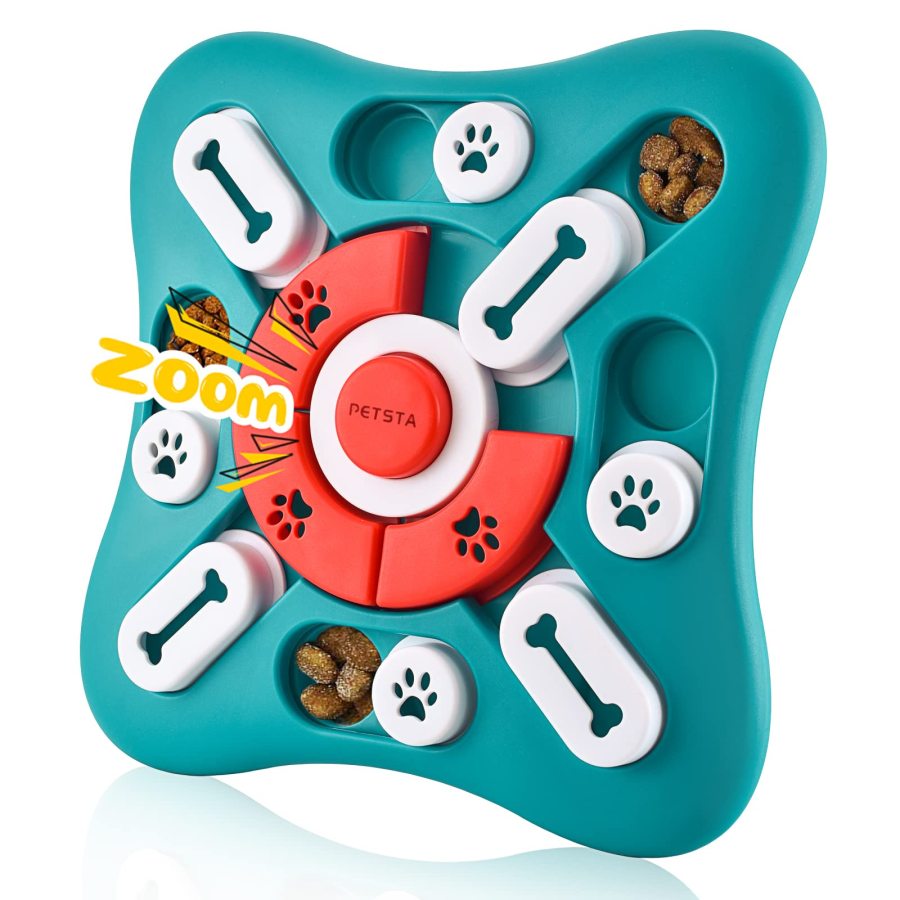
The Pet Enrichment Slow Feeder category aims to effectively slow down the eating or drinking speed of pets (primarily dogs and cats) through various clever designs, such as maze obstacles, multi-layer interaction mechanisms, or special textures. This promotes digestive health and prevents issues like bloating and vomiting caused by overeating. Simultaneously, these products also serve the function of providing mental stimulation, alleviating pet boredom and separation anxiety. The product forms are diverse, ranging from traditional bowl-shaped slow feeders to adhesive lick mats, and puzzle toys that require pets to solve puzzles to access food, continuously expanding the category boundaries. The following table illustrates the key characteristics of consumer behavior in this category.
| Dimension | Segment | Description |
|---|---|---|
| Need Driver Type | Planned Purchase / Emergency-driven Purchase | Pet owners might urgently seek solutions due to pet health issues (e.g., indigestion from eating too fast), or proactively plan purchases to prevent potential problems or enhance their pet's quality of life. |
| Purchase Frequency | Low Frequency | As durable goods, Pet Enrichment Slow Feeders have a low purchase frequency, typically once every few years, unless the product is damaged, lost, or there is a need for an upgraded version. |
| Decision Complexity | Medium | Consumers compare multiple dimensions such as material, size, slow-feeding effectiveness, puzzle difficulty, cleaning convenience, and anti-slip properties for a comprehensive evaluation. |
| Price Sensitivity | Medium | Price is an important consideration, but pet owners place greater emphasis on the product's actual improvement effects on pet health and behavior, and are willing to pay a reasonable premium for high-quality, multi-functional, or safer products. |
| Emotional Dependency | Medium to High | Pet owners' deep concern for their beloved pets' health, happiness, and well-being gives these products strong emotional value, with purchase decisions heavily influenced by emotion. |
II. User Personas & Usage Scenarios
2.1 Health-Conscious Pet Owner
🎯 Highly focused on pet digestive health and weight management, pursues scientific feeding methods, and is committed to improving the pet's quality of life.
| Typical Usage Scenarios | Core Pain Points | Primary Purchase Drivers |
|---|---|---|
|
|
|
2.2 Interactive Companion Pet Parent
🎯 Focuses on emotional bonding and intellectual development with the pet, seeks creative products that provide mental stimulation and alleviate boredom and anxiety.
| Typical Usage Scenarios | Core Pain Points | Primary Purchase Drivers |
|---|---|---|
|
|
|
III. User Needs Hierarchy (KANO Model)
3.1 Basic Needs (Must-Haves)
- Effectively Slows Eating: The product must significantly prolong the pet's mealtime, effectively preventing digestive issues caused by overeating.
- Easy to Clean: The structural design should facilitate cleaning, whether by hand or dishwasher, enabling quick and thorough removal of food residue to maintain hygiene.
- Food-Grade Safe Materials: Product materials must be non-toxic, free of harmful chemicals like BPA, PVC, ensuring safety for pet food contact.
- Anti-Slip Stability: The base of the feeder must have reliable anti-slip features (like suction cups or non-slip pads) to prevent the bowl from sliding or tipping during pet use.
3.2 Performance Needs (Linear Satisfiers)
- Material Durability: The product should be sturdy and durable, able to withstand daily use and some degree of pet chewing without easy damage.
- Size and Capacity Suitability: Should meet the food intake needs of dogs and cats of different sizes, offering a variety of size options.
- Effective Mental Stimulation: Puzzle products need reasonably designed difficulty levels to effectively stimulate pet thinking and maintain their interest over time.
- Multi-Functionality: Examples include sets integrating slow-feeder, water bowl, and splash mat, or lick mats usable for bath assistance, providing more usage scenarios and value.
3.3 Excitement Needs (Delighters)
- Emotional Soothing Function: Products like lick mats can help pets effectively relieve anxiety and stress through soothing licking behavior, enhancing their sense of security.
- Adjustable Difficulty Levels: Puzzle toys can offer different difficulty options based on the pet's intelligence level, increasing challenge and long-term appeal.
- Innovative Interactive Elements: Such as built-in sound devices, hidden food compartments, unique shapes, etc., bringing surprise and novelty to the pet.
- Freezable Function: Lick mats can be used to freeze pureed food, extending licking time and providing a cool treat in summer.
3.4 Unmet Needs & Opportunities
-
Insufficient Suction Cup Adhesion: Many lick mats and slow feeders claim to be non-slip, but their suction cups often fail to adhere firmly on certain floors or bathroom tiles, easily being nudged or moved by pets.
User Reviews (VOC) The sturdiness of the clip is questionable you definitely have to play with the placement when putting your phone at different angles because it can fall off. // Magnet is not strong enough to hold your phone. // These lick mats with suction cups do not stick to the shower wall.
-
Not Resistant to Strong Chewing: Some puzzle toys or silicone lick mats lack sufficient resistance for dogs with strong chewing power, are easily damaged, posing a risk of pet ingestion.
User Reviews (VOC) This is NOT a chew toy. // Not suitable for Aggressive Chewers. // My dog destroyed this in less than 5 minutes.
-
Difficult to Clean Wet Food: Overly complex maze designs or grooves pose cleaning challenges for wet or pureed food; residue easily gets stuck in dead corners, breeding bacteria.
User Reviews (VOC) It is not easy to clean wet dog food. // Food gets stuck in the crevices, making it hard to clean thoroughly.
-
Short-Lived Puzzle Challenge: The difficulty settings of some puzzle products are too simplistic or lack variation, causing smart pets to quickly master them and lose interest.
User Reviews (VOC) My smart dog figured it out in minutes and quickly lost interest. // The puzzle is too easy for my dog, he finishes it too fast.
IV. User Decision Drivers
4.1 Key Decision Factors
- Effectiveness in Slowing Eating: This is the primary purpose for purchasing such products, directly related to pet health; ineffective products are hard to accept.
- Ease of Cleaning: As frequently used pet supplies, cleaning convenience directly impacts daily user experience and purchase intent.
- Product Safety: Whether the material is non-toxic, odorless, has sharp edges, or is easily destroyed and ingested by pets are core concerns for pet owners.
- Anti-Slip Stability: Whether the product remains stable during pet eating or play, avoiding spilled food or water, is key to floor cleanliness and user experience.
4.2 Secondary Decision Factors
- Puzzle Interactivity: Whether the product provides appropriate mental stimulation to alleviate pet boredom is an advanced pursuit for many owners after basic needs are met.
- Durability and Chew Resistance: Especially for active pets or those with chewing habits, product sturdiness determines its lifespan and cost-effectiveness.
- Capacity and Size Suitability: Whether the product fits the pet's size and food portion, avoiding inconvenience or ineffectiveness due to being too large or small.
- Aesthetics and Design: The product's appearance, color, and design style, and whether they match the home environment and personal taste, influence the final choice.
V. Selling Points & Competitive Landscape
5.1 Selling Point Analysis
5.1.1 Standard Features (Points of Parity)
- Slows Eating Speed: All products emphasize effectively prolonging pet mealtime through special structural design, promoting digestion and preventing bloating/vomiting.
- Easy to Clean: Commonly advertised as detachable, dishwasher-safe, or easy to hand-rinse, facilitating daily maintenance.
- Food-Grade Safe Materials: Most products emphasize using non-toxic, BPA-free PP plastic or silicone materials to ensure pet health.
- Anti-Slip Design: Prevents the feeder from moving or tipping during pet use via non-slip pads, suction cups, or weighted bases.
5.1.2 Key Differentiators
- Puzzle/Mental Training: Combines slow feeding with puzzle-solving, foraging games, aiming to stimulate the pet's brain and alleviate boredom and destructive behavior.
- Multi-Functional Sets: Offers 3-in-1 sets (slow feeder + water bowl + splash mat) or combinations with lick mats, puzzle balls, providing more comprehensive solutions.
- Alleviates Anxiety/Boredom: Emphasizes helping pets calm down and reduce stress or separation anxiety through licking, playing, etc.
- Wide Applicable Size Range: Products offer multiple size options or claim suitability for various pets from small to large breeds.
5.1.3 Unique Selling Propositions (USPs)
- Water Bowl Filtration System: Some slow-drink bowls have built-in replaceable filters, aiming to provide cleaner, fresher drinking water.
- Trimmable Slow-Feed Insert: Silicone slow-feed inserts can be trimmed to fit existing pet bowls, improving adaptability.
- Built-in Sound Device: Puzzle toys incorporate squeakers or bells to increase interactivity and appeal during play.
- Multi-Level Puzzle Challenge: Puzzle bowls offer multi-layered, rotatable, or slidable mazes, increasing difficulty gradient and extending playtime.
5.2 Competitive Landscape
5.2.1 Market Maturity
The Pet Enrichment Slow Feeder market has reached a mature stage. Basic slow-feeding functionality is standard, with high homogenization. Existing brands are continuously expanding product lines, evolving from 单一的 slow-feed bowls towards multi-functional, intelligent, and scenario-specific solutions to meet increasingly diverse consumer needs. Competitive strategies are shifting from price wars to value wars, focusing on user experience and innovation in 细分场景.
5.2.2 Innovation Trends
Current innovation trends concentrate on 'functional integration' and 'enhanced emotional value'. Products are no longer limited to 单纯的 slow feeding but incorporate 复合功能 like mental training, anxiety relief, water filtration, evolving into 'comprehensive pet health and behavior management tools'. Material innovation continues, emphasizing food safety, easy cleaning, and durability. Meanwhile, customized designs for different breeds or 生活场景 are emerging to provide more personalized solutions.
VI. Marketing Claims vs. Reality Check
The table below analyzes the gap between common marketing claims and actual user experiences in this category:
| Dimension | Marketing Claim | User Reality | Verdict |
|---|---|---|---|
| Chew Resistance | Products use durable materials, are sturdy and reliable, suitable for long-term pet play. | Many products explicitly state 'not a chew toy', and user feedback indicates that plastic or silicone items are easily damaged by pets with strong chewing habits, posing ingestion safety risks. | Sellers, when promoting 'durability', fail to adequately explain the material's limits against chewing force, leading consumers to have overly high expectations of product longevity. This conflict between material physical limits and marketing exaggeration easily triggers safety concerns and negative reviews. |
| Suction Cup Anti-Slip Effect | Equipped with powerful suction cups, can firmly adhere to various smooth surfaces, preventing sliding and tipping. | Users commonly report insufficient suction cup adhesion on specific surfaces like wood floors, certain tiles, or shower walls, easily being pushed or pulled by pets, significantly compromising the anti-slip promise. | Sellers overemphasize the universality and strength of suction cups, ignoring the impact of different surface materials and moisture levels on adhesion. This idealized宣传 versus real-world usage friction directly damages the product's core anti-slip value. |
| Wet Food Cleaning Convenience | Maze design is easy to clean, hand-wash or dishwasher safe. | For complex slow-feed bowls and lick mats, residue from wet or pureed food easily gets stuck in maze gaps and grooves, requiring time-consuming manual cleaning; dishwashers often fail to rinse thoroughly, leaving卫生死角. |
Key Takeaway: The market exhibits a general tendency towards exaggerated scenario-based experiences, particularly regarding product chew resistance, suction cup adhesion, and cleaning convenience, failing to fully deliver on marketing promises.
VII. Supply-Demand Misalignment Analysis
The table below highlights mismatches between seller focus and buyer priorities:
| Dimension | Seller Behavior | User Focus | Verdict |
|---|---|---|---|
| Chew Resistance Strength | Sellers generally promote material safety but often downplay or are vague about chew resistance strength, merely warning 'not a chew toy', lacking solutions for heavy chewers. | Owners of pets with chewing habits frequently complain about easily damaged products, urgently needing truly durable and safe enrichment slow feeders, dissatisfied with the short lifespan of current products. | The industry generally under-serves the slow-feeding enrichment needs of dogs with high chewing power, leaving a significant market gap and safety hazard, failing to translate the vague concept of 'durability' into concrete solutions. |
| Suction Cup Multi-Surface Compatibility & Stability | Sellers普遍 emphasize 'super strong adhesion' and 'stability', but rarely mention actual performance and solutions on diverse surfaces like bathroom tiles, wood floors. | Users complain about poor suction on specific surfaces, easily dislodged or moved by pets, causing food/water spills, affecting cleanliness and user experience. | Sellers generalize吸附能力 under ideal conditions, overlooking users' core demand for stability in complex, varied scenarios, resulting in insufficient reliability of the product's core function. |
| Sustainability of Puzzle Challenge | Sellers actively promote 'puzzle' and 'anxiety relief' functions, but most puzzle toys have relatively simplistic or static difficulty settings. | Users report pets quickly learn and lose interest, leading to short-lived mental stimulation, unable to engage pets长时间. | Sellers pile on 'puzzle' features, but design details lack deep insight into pet learning ability and need for持续挑战, failing to maximize puzzle value and creating a perception gap in user experience. |
Key Takeaway: Sellers have blind spots regarding the product's basic safety and functional stability, failing to adequately address users' high-frequency pain points in specific scenarios, while over-investing in some auxiliary features.
VIII. Strategic Opportunities & Recommendations
8.1 High-Strength Chew-Resistant Enrichment Slow Feeder
8.1.1 Target Audience & Pain Points
⚡️ Pain Points Addressed: Not resistant to strong chewing, insufficient product durability.
8.1.2 Action Plan
Develop food-grade high-strength composite materials (e.g., special TPR, PC+ABS alloy), use integrated injection molding to avoid small detachable parts. Structurally consider reinforced edges, tear-resistant design, and conduct rigorous chew testing.
| Tech Complexity | Medium |
| Cost Impact | High Impact |
| Trade-off Warning | Using high-strength materials might slightly increase product weight or make it feel harder, requiring a balance between durability and pet oral comfort. |
| Price Band | Only viable above $35.99 |
8.1.3 Marketing Strategy
Emphasize 'Designed for powerful chewers, 5-year warranty, fearless of destructive challenges'; showcase product chew resistance tests via slow-motion video, highlighting exceptional durability and safety, building a premium durable image.
8.2 All-Scenario Super Strong Adhesion Lick Mat/Slow Feeder
8.2.1 Target Audience & Pain Points
⚡️ Pain Points Addressed: Insufficient suction cup adhesion, prone to sliding on specific surfaces.
8.2.2 Action Plan
Optimize suction cup structure (e.g.,增加数量, change geometry), select high-adhesion silicone materials, and provide detailed instructions on compatible surfaces and cleaning/maintenance. Consider including complimentary cleaning wipes or surface prep solution.
| Tech Complexity | Medium |
| Cost Impact | Medium Impact |
| Trade-off Warning | Enhanced suction might require slightly more effort to remove from surfaces, or may still have limitations on某些极光滑表面 (e.g., untreated wood floors). |
| Price Band | Only viable above $12.99 |
8.2.3 Marketing Strategy
Highlight 'Stays put on shower walls, floors, fridge doors - steady as a rock'; showcase actual adhesion test videos on wet, smooth, and other challenging surfaces, emphasizing安心 and convenience during pet bathing/feeding.
8.3 Wet-Food Friendly Easy-Clean Slow Feeder Bowl
8.3.1 Target Audience & Pain Points
⚡️ Pain Points Addressed: Difficult to clean wet food, prone to food residue.
8.3.2 Action Plan
Design easily detachable modular slow-feed structures where all components separate completely with no dead corners; use highly polished, non-stick surfaces for maze areas to reduce food adherence.可以考虑附赠 a custom silicone cleaning brush.
| Tech Complexity | Low |
| Cost Impact | Low Impact |
| Trade-off Warning | Simplifying cleaning might require sacrificing some maze depth or complexity, needing to find the optimal balance between slow-feeding effect and cleaning convenience. |
| Price Band | Only viable above $15.99 |
8.3.3 Marketing Strategy
Emphasize 'Wet-food specific, rinses clean with no residue'; use comparison videos to show the cleaning difficulty difference between wet food in普通 slow feeders and this product, highlighting its卫生 and hassle-free advantage.
8.4 Graduated Progressive Puzzle Slow Feeder Toy
8.4.1 Target Audience & Pain Points
⚡️ Pain Points Addressed: Short-lived puzzle challenge, pets quickly lose interest.
8.4.2 Action Plan
Design replaceable, combinable, or adjustable difficulty maze modules, enabling multi-level challenges from simple pushing/pulling to complex rotating/unlocking.可以考虑 APP integration for training tutorials and progress tracking.
| Tech Complexity | Medium |
| Cost Impact | Medium Impact |
| Trade-off Warning | Adding movable parts and complexity might slightly increase damage risk or product size, requiring precise structural design and material selection to mitigate. |
| Price Band | Only viable above $24.99 |
8.4.3 Marketing Strategy
Highlight 'Intelligent growth partner, endless challenges'; showcase videos of pets progressing from beginner to advanced levels, emphasizing the product's ability to grow with the pet's intelligence, providing lasting fun and a sense of achievement.