Amazon US Market Analysis: Pet-Friendly Magnetic Screen Doors Category
📊 Executive Summary
📈 Market Trends
Strong demand for integrated sun protection and cooling, but significant technology and experience gaps. The pet-friendly magnetic screen door market is growing rapidly by addressing dual outdoor pain points. Consumers seek lighter, more multifunctional products that provide sustained cooling. However, a significant gap exists between marketing claims and actual user experience, especially regarding solar efficiency and core function stability.
⚡ Major Pain Points
Mesh fragility, unreliable magnetic closure, hook-and-loop fastener detachment, poor bottom sealing. Users commonly complain about non-durable mesh materials easily torn by pets, causing insect protection to fail. In windy conditions, magnetic closure reliability is insufficient, easily blowing open. Additionally, unstable hook-and-loop fastener adhesion leads to detachment with long-term use, and inadequate bottom sealing allows small insects to enter, severely impacting user experience and product reputation.
💡 Selection Opportunities
Deepen focus on user experience details, deliver on core functions, return to pragmatic marketing. Opportunities lie in: elevating mesh materials to a truly 'pet-grade' ultra-durable level to solve frequent replacement pain points; developing an all-weather high-stability windproof magnetic system ensuring effective insect protection in all weather; and providing a damage-free, reusable strong adhesion installation solution to reduce user installation and maintenance concerns. Refining details is key to standing out in a homogenized market, winning user trust, and commanding premium pricing.
I. Analysis Overview
1.1 Introduction & Report Scope
This report analyzes the 'Screen Doors' category (Pet-Friendly Magnetic Screen Doors) within the Amazon US market, focusing on target user personas, core needs, decision drivers, market communication, and potential opportunities.
1.2 Category Snapshot
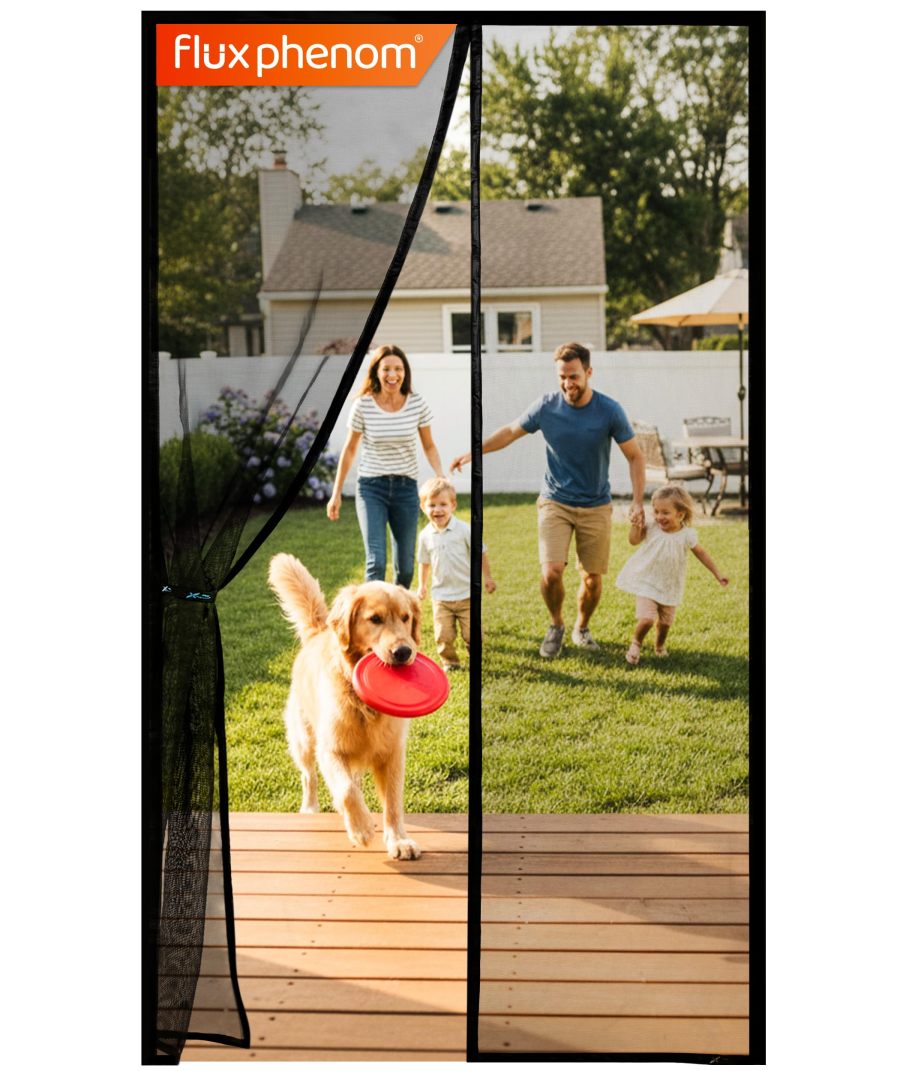
A pet-friendly magnetic screen door is a mesh curtain installed on a door frame using hook-and-loop fasteners or thumbtacks, utilizing magnetic strips to achieve automatic opening and closing. It is designed to provide a tool-free, hands-free insect-proof ventilation solution for homes, particularly convenient for pets and children to pass through freely. These products are typically made from polyester or fiberglass mesh and are widely used for front doors, patio doors, balcony doors, and even RVs, serving as an economical and practical alternative to traditional fixed screen doors or pet doors. The following table illustrates the key characteristics of consumer behavior in this category.
| Dimension | Segment | Description |
|---|---|---|
| Need Driver Type | Emergency-driven Purchase / Planned Purchase | Purchases are typically driven by immediate needs during summer mosquito infestations (Emergency-driven) or as preparation for the upcoming outdoor season and pet convenience (Planned). |
| Purchase Frequency | Low Frequency / Seasonal | As durable goods, they are usually purchased once a year, with peak demand in spring and summer. Some users need annual replacement due to product lifespan issues. |
| Decision Complexity | Medium | Consumers compare factors like magnetic strength, mesh material, durability, ease of installation, and price, but do not conduct in-depth research. |
| Price Sensitivity | Medium to High | Price is an important consideration, but users are willing to pay a reasonable premium for more reliable insect protection, longer lifespan, and better user experience. |
| Emotional Dependency | Medium | The product alleviates the frustration caused by insect problems (negative emotion relief) and provides the pleasure of enjoying fresh air and pet freedom (positive emotional value). |
II. User Personas & Usage Scenarios
2.1 Pet-Owning Homemaker/Household Manager
🎯 Families living in suburbs or homes with yards, hoping their pets (dogs/cats) can move freely between indoors and outdoors while keeping insects out and simplifying daily chores.
| Typical Usage Scenarios | Core Pain Points | Primary Purchase Drivers |
|---|---|---|
|
|
|
2.2 Renters or Users with Temporary Needs
🎯 Individuals living in apartments or rental properties, or those needing seasonal insect protection, who do not want to make permanent modifications to door frames and seek easy-to-install, easy-to-remove solutions.
| Typical Usage Scenarios | Core Pain Points | Primary Purchase Drivers |
|---|---|---|
|
|
|
III. User Needs Hierarchy (KANO Model)
3.1 Basic Needs (Must-Haves)
- Effective insect protection: The screen door must effectively block mosquitoes, flies, and other insects from entering indoors. This is the core value of the product; failure is unacceptable.
- Breathable ventilation: The screen door should allow free airflow of fresh air, keeping the interior cool and providing a comfortable natural ventilation experience.
- Size compatibility: The screen door must be the correct size to fully cover the door opening, ensuring no gaps after installation to prevent insects from entering around the edges.
- Magnetic automatic closure: The center of the screen door must have a magnetic strip that automatically and promptly closes after passing through, providing basic hands-free convenience.
3.2 Performance Needs (Linear Satisfiers)
- Strong magnet force and seamless closure: The magnetic strip should have sufficient strength to ensure the screen door closes tightly and seamlessly every time, leaving no gaps to completely prevent insect intrusion.
- Simple and quick installation: The installation process should be straightforward, requiring no complex tools, allowing users to complete it themselves quickly, reducing frustration.
- Durable mesh material: The mesh material should have good tear and wear resistance, withstand daily frequent use and minor impacts from pets and children, extending product life.
- Pet and child-friendly: The screen door should be lightweight enough for children and small pets to push open and pass through safely, and not easily damaged by them.
3.3 Excitement Needs (Delighters)
- Bottom-weighted/windproof design: The bottom of the screen door should have an integrated weighted bar or special design to enhance wind resistance, preventing it from blowing open or swaying significantly in windy conditions, maintaining stability and seal.
- Side fastening function: The screen door should include side latches or ties to conveniently hold it fully open when moving large items or needing extended ventilation.
- High-transparency/invisible mesh: The mesh should be fine and highly transparent, not obstructing the view, maintaining indoor-outdoor openness while effectively blocking tiny insects, enhancing visual experience.
- Residue-free removable adhesive: The hook-and-loop fastener or tape used for installation should leave no residue or damage paint upon removal, especially suitable for renters.
3.4 Unmet Needs & Opportunities
-
Unstable hook-and-loop fastener adhesion: Widespread feedback that hook-and-loop fasteners lose adhesion in high heat, humidity, or with long-term use, easily detaching, causing the screen door to become unstable and requiring extra reinforcement.
User Reviews (VOC) The Velcro isn’t waterproof, but the price is great... The issue arose when it rained-the top Velcro came loose and no longer sticks. // The adhesive while good, doesn’t seem like it would make it past a month without peeling.
-
Insufficient magnetic closure reliability: In windy conditions or with uneven installation, magnet strength is insufficient or alignment is poor, causing gaps in the center of the screen door or even magnet detachment, compromising insect protection.
User Reviews (VOC) Tends to blow open in the wind. // the magnet will not hold or reseal. // the bottom of the split came open and the magnets were starting to fall out.
-
Poor mesh durability: Especially with frequent pet traffic or children pushing/pulling, the mesh material easily tears or wears, resulting in a short product lifespan, contradicting 'heavy-duty' marketing claims.
User Reviews (VOC) I don't tie my back when my door is closed and my pups end up scratching it up and ripping it. // others report that it rips easily. // it tore easily.
-
Bottom sealing defect: The bottom of the screen door lacks effective sealing, often leaving gaps for small insects to enter or allowing it to be lifted by wind, affecting overall insect protection and stability.
User Reviews (VOC) the bottom of the screen just hangs loose... I wanted to make sure that when not in use, the screen had no gaps to let anything in and this included the bottom.
-
Poor quality installation accessories: Included thumbtacks and other auxiliary fasteners are of poor quality, easily bending or breaking, increasing installation frustration and time cost.
User Reviews (VOC) Only thing that’s frustrating is the tacks supplied bend and break easy when tapping with hammer.
IV. User Decision Drivers
4.1 Key Decision Factors
- Thoroughness of insect protection: Whether the screen door can truly and effectively block various insects (including tiny flies) from entering indoors is the most core purpose and a deal-breaker for users.
- Reliability and tightness of magnetic closure: Whether the magnetic strip can close quickly, seamlessly, and reliably every time directly determines insect protection effectiveness and hands-free convenience, a key metric for user evaluation.
- Durability and resistance to pet damage: Whether the product material can withstand daily frequent use, pet scratching, or children's pushing/pulling without easy damage is a major consideration for users to reduce replacement frequency and long-term costs.
- Ease and damage-free nature of installation: Whether the installation process is simple, quick, and whether it causes permanent damage or residue to the door frame directly impacts purchase intent and renters' decisions.
4.2 Secondary Decision Factors
- Material breathability and visibility: Whether the mesh maintains good airflow and clear outdoor views affects indoor comfort and overall home aesthetics.
- Size compatibility and trimming flexibility: Whether the product offers multiple size options or has some trimming/adjustment capability to perfectly fit different door frames, avoiding gaps after installation.
- Wind resistance: Whether the screen door remains stable and doesn't blow open in windy weather, preventing insect entry and frequent manual adjustments, is important for user peace of mind.
- Aesthetic appearance: Whether the screen door blends well with the home environment after installation, not appearing obtrusive or cheap, influences users who care about home decor.
- Price and value for money: Given core functionality and a certain quality level, whether the product's price is reasonable and offers good value is a key final decision factor.
V. Selling Points & Competitive Landscape
5.1 Selling Point Analysis
5.1.1 Standard Features (Points of Parity)
- Hands-free automatic closure: Nearly all products emphasize automatic closure via magnets, convenient for entry/exit when hands are full, a core functional selling point for the category.
- Effective insect protection and ventilation: Emphasizes that the mesh blocks insects like mosquitoes and flies while allowing fresh air circulation, meeting basic user needs for a clean and comfortable indoor environment.
- Simple installation: Widely marketed as tool-free, quickly installed with hook-and-loop fasteners and thumbtacks, lowering user barriers and suitable for DIY.
- Pet and child-friendly: Emphasizes the product is lightweight with moderate magnetic force, convenient for children and pets to pass freely while effectively keeping insects out, a common selling point targeting families.
- Size compatibility: Offers multiple standard sizes and emphasizes measuring the door frame before purchase to ensure a good fit for most home door types.
5.1.2 Key Differentiators
- Fiberglass mesh: Some products use fiberglass material, emphasizing greater strength and tear resistance compared to polyester, enhancing product durability, attracting users seeking longer lifespan.
- Widened/full-frame hook-and-loop fastener: Some brands increase hook-and-loop fastener width or cover the entire door frame to emphasize installation stability and firmness, addressing user concerns about weak adhesion.
- Bottom-weighted/windproof design: A few products add a weighted bar or windproof latches at the bottom to enhance the screen door's wind resistance, preventing it from blowing open in strong winds, improving stability.
- 'Hold-open' function: Some products provide side latches or ties to conveniently hold the screen door fully open when moving items or for extended ventilation, adding usage flexibility.
- Extra-fine mesh: Emphasizes smaller mesh apertures (e.g., 1mm) to effectively block tiny insects (like no-see-ums), providing more comprehensive insect protection.
5.1.3 Unique Selling Propositions (USPs)
- Universal left/right opening: A unique selling point proposed by Yotache (B081JCNXM5), allowing users to freely switch the screen door's opening direction based on door handle placement, enhancing personalized experience.
- Thermal insulation function: CHIYUNS (B0CFWQZJ45) product uses PEVA material, emphasizing additional benefits like winter warmth retention and summer heat insulation alongside insect protection, expanding usage scenarios.
- Flexible adjustable fan arm: AMACOOL and a few other products offer battery capacities far exceeding peers (e.g., 5200mAh), emphasizing ultra-long runtime as a core competitive advantage to attract specific user groups.
5.2 Competitive Landscape
5.2.1 Market Maturity
The pet-friendly magnetic screen door category is in a moderately mature stage. Product features and selling points are highly convergent, primarily focused on easy installation, magnetic closure, and basic insect protection. While some brands attempt differentiation through material upgrades (e.g., fiberglass) and detailed features (e.g., windproof design, hold-open), overall innovation pace is slow, and homogenized competition is intense.
5.2.2 Innovation Trends
Current innovation trends mainly revolve around improving core function reliability and optimizing user experience details. For example, mesh material upgrades from polyester to fiberglass for enhanced durability; magnetic systems evolve from intermittent magnetic blocks to full-length magnetic strips for better closure tightness; fastening methods evolve from single hook-and-loop to combinations of widened hook-and-loop + thumbtacks + bottom weighting for better wind resistance. Future innovation may require more efficient automated features or smarter integrated solutions.
VI. Marketing Claims vs. Reality Check
The table below analyzes the gap between common marketing claims and actual user experiences in this category:
| Dimension | Marketing Claim | User Reality | Verdict |
|---|---|---|---|
| Mesh durability | Claims of 'heavy-duty,' 'tear-resistant,' 'withstands pet scratching,' implying long-term use. | Numerous user reports indicate the mesh easily tears, develops holes from frequent pet traffic, children's pushing/pulling, or daily wear, lasting only a season, severely contradicting 'heavy-duty' marketing. | Typical marketing exaggeration. The physical limits of polyester fiber determine its insufficient durability in high-frequency pet scenarios. While fiberglass offers improvement, achieving true 'heavy-duty tear resistance' at low price points remains challenging. |
| Magnetic closure reliability | Claims of 'strong magnets,' 'seamless automatic closure,' 'wind-resistant,' ensuring a perfect seal every time. | Widespread feedback that magnets easily blow open in strong winds, or fail to align and close completely with uneven installation, leaving gaps. Some users report magnets detaching, causing insect protection to fail. | Magnetic force performance has physical boundaries in different environments; it cannot resist all wind forces. Installation deviations also affect closure effectiveness. Sellers overpromise 'seamless' and 'wind-resistant' capabilities, leading to functional failure in real-world use. |
| Hook-and-loop fastener adhesion longevity | Claims of 'strong adhesion,' 'long-term stability,' 'no drilling needed,' implying a set-and-forget installation. | Many users report hook-and-loop fasteners quickly lose adhesion in outdoor heat, humidity, or with prolonged use, causing the screen door to detach, requiring extra reinforcement or replacement. | The weather resistance and longevity of hook-and-loop adhesive are limited by material properties, especially in extreme outdoor environments. Sellers fail to adequately disclose these performance limitations, leading to unrealistically high user expectations for installation stability and poor actual experience. |
| Size compatibility and installation outcome | Claims of 'perfect fit for all standard doors,' 'precise size compatibility,' implying no gaps after installation. | Despite providing sizing guidance, some users still experience gaps, dragging bottoms, or cramped passage due to irregular door frames, imprecise measurement, or misunderstanding of sizes. | Home door frame dimensions are diverse, and installation precision is affected by user operation. Expecting a product to 'perfectly fit' all situations is an over-simplification in logic. Sellers fail to adequately warn and provide more detailed installation guidance. |
Key Takeaway: The market suffers from widespread functional exaggeration and durability misrepresentation, especially regarding 'heavy-duty' and 'strong magnetic' claims. There is a significant gap between marketing promises and actual user experience, damaging user trust.
VII. Supply-Demand Misalignment Analysis
The table below highlights mismatches between seller focus and buyer priorities:
| Dimension | Seller Behavior | User Focus | Verdict |
|---|---|---|---|
| Ease of installation vs. Long-term stability | Widely promoting '9-minute installation,' 'tool-free' as core high-frequency selling points, implying worry-free use post-installation. | Users acknowledge easy installation but care more about whether hook-and-loop fasteners remain firmly attached long-term and stay stable in various weather conditions, not just initial installation speed. | Sellers continue to compete intensely on the widely accepted 'easy installation' aspect, failing to shift resources towards improving post-installation durability and stability, leading to user experience gaps during long-term use. |
| Mesh material strength and pet-friendliness | Commonly claiming 'heavy-duty,' 'tear-resistant,' 'pet-friendly,' but failing to provide materials or structural reinforcements that truly withstand pet impact. | Most pet-owning households complain about easily torn screens, requiring annual replacement, and desire durable products that can genuinely handle frequent traffic and scratching from large dogs. | Sellers underinvest in the concrete implementation of 'pet-friendly' features (material strength), failing to effectively solve core user pain points. Frequent replacement becomes the norm, damaging brand trust. |
| Wind resistance and bottom sealing | Most products only mention magnetic closure; a few mention bottom weighting, but none systematically optimize wind resistance and bottom sealing as core selling points. | Users complain that screen doors easily blow open in wind, with large bottom gaps allowing insect entry, compromising insect protection and indoor comfort. | Sellers underestimate user demand for screen door stability and thorough sealing in outdoor environments (especially windy conditions). This leads to poor product performance in adverse weather scenarios, affecting the core insect protection function. |
Key Takeaway: Sellers generally over-rely on 'easy installation' and 'magnetic closure' as competitive selling points, collectively overlooking strategic blind spots users care most about: 'long-term durability,' 'wind stability,' and 'bottom sealing,' which critically impact core experience.
VIII. Strategic Opportunities & Recommendations
8.1 Develop a truly 'pet-grade' ultra-durable mesh
8.1.1 Target Audience & Pain Points
⚡️ Pain Points Addressed: Pets easily tear screens, poor mesh durability.
8.1.2 Action Plan
Develop screens using ultra-high-molecular-weight polyethylene (UHMWPE) or specially coated fiberglass, offering industry-leading tear and scratch resistance, certified by third-party lab tests (e.g., abrasion resistance standards). Also, reinforce structural strength at mesh edges and magnetic strip seams.
| Tech Complexity | Medium |
| Cost Impact | High Impact |
| Trade-off Warning | Using tougher fibers (e.g., UHMWPE composite) or specially coated fiberglass significantly increases material costs and may slightly increase mesh density, affecting light transmission, requiring balanced trade-offs. |
| Price Band | Only viable above $39.99 |
8.1.3 Marketing Strategy
Emphasize '1-year warranty, pet-proof, the truly unbreakable screen door'; provide proof via pet scratch test videos; highlight the value proposition: 'Stop replacing yearly, invest once for long-term peace of mind.'
8.2 All-weather high-stability windproof magnetic system
8.2.1 Target Audience & Pain Points
⚡️ Pain Points Addressed: Easily blows open in strong winds, insufficient magnetic closure reliability, bottom sealing defects.
8.2.2 Action Plan
Add a built-in high-density weighted bar (e.g., weighted lead wire or high-density plastic strip) at the bottom, upgrade magnet quantity and strength, and design easily operable side windproof slide latches or magnetic clasps to ensure secure closure even in strong winds.
| Tech Complexity | Medium |
| Cost Impact | Medium Impact |
| Trade-off Warning | Adding bottom weighting and stronger magnets may slightly increase product weight. Stronger magnets might also create slightly more resistance for children or small pets passing through, requiring a balance between ease of use and stability. |
| Price Band | Only viable above $29.99 |
8.2.3 Marketing Strategy
Highlight 'Hurricane-level wind resistance, fear no outdoor challenge'; showcase wind tunnel test videos or scenarios where the product remains stable in strong winds; emphasize 'A one-time windproof solution for worry-free breezes.'
8.3 Damage-free and reusable strong adhesion installation solution
8.3.1 Target Audience & Pain Points
⚡️ Pain Points Addressed: Unstable hook-and-loop fastener adhesion, tape residue upon removal, poor quality installation accessories.
8.3.2 Action Plan
Source higher-quality outdoor-grade hook-and-loop fasteners (e.g., 3M VHB series or equivalent) ensuring strong adhesion in high heat, humidity, and long-term use, with residue-free removal. Also, include sturdier, less bendable metal thumbtacks or small screws, offering multiple fastening options.
| Tech Complexity | Low |
| Cost Impact | Low Impact |
| Trade-off Warning | Using high-quality adhesive hook-and-loop fasteners may still leave minimal residue in extreme cases, but this is controllable and easily removable with specific cleaners. |
| Price Band | No Price Band Jump |
8.3.3 Marketing Strategy
Emphasize 'Renter-friendly, damage-free installation, leaves no trace'; provide third-party test reports proving adhesive weather resistance and residue-free properties; offer detailed installation and removal guides to eliminate user concerns about door frame damage.