Amazon US Market Analysis: Laptop Backpacks Category
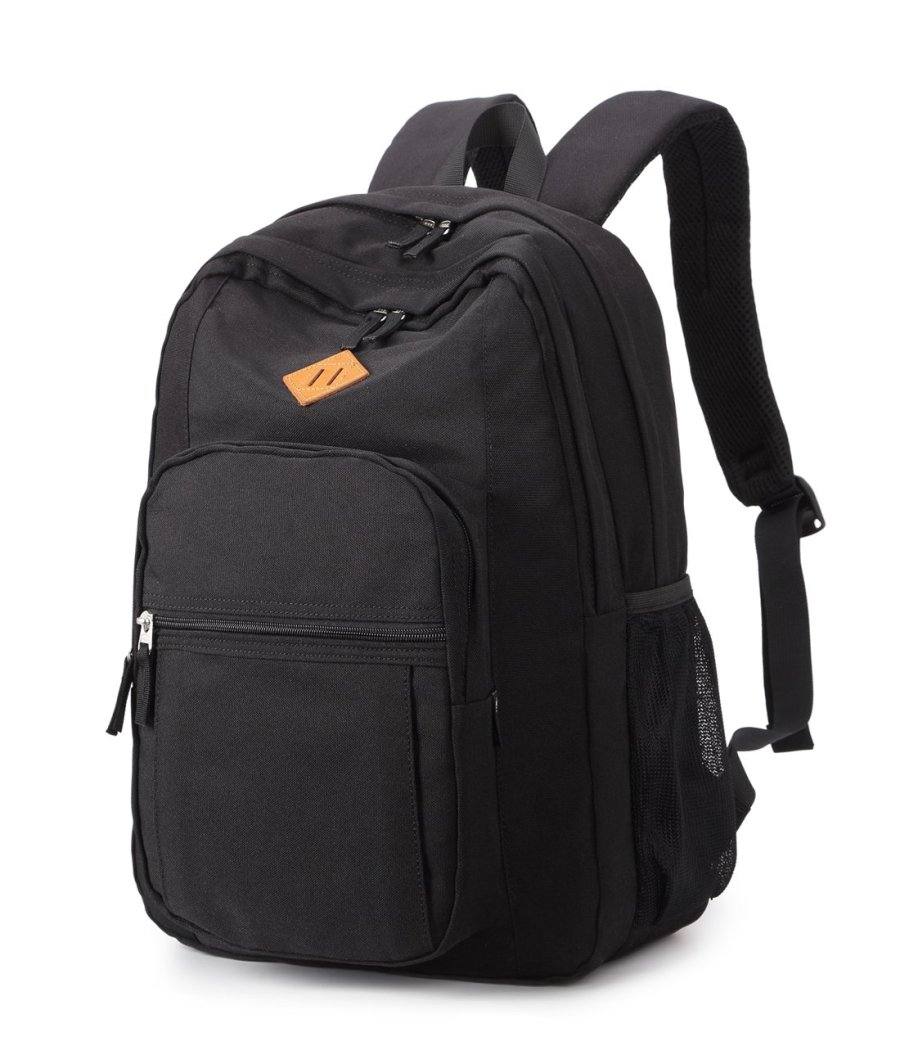
📊 Executive Summary
📈 Market Trends
Mature category with severe functional homogenization. The laptop backpack market is fiercely competitive. Large capacity, laptop compartments, comfortable carrying, and USB charging have become standard. Consumer demand for portability and multifunctional integration continues to grow, but overall market innovation is mostly incremental, lacking disruptive changes.
⚡ Major Pain Points
Coexistence of quality flaws and information distortion. Users frequently complain about issues like easily damaged zippers, cheap-feeling materials, and discomfort under heavy loads, indicating room for improvement in basic product quality and ergonomic design. Simultaneously, sellers' exaggerated claims about water resistance and size compatibility severely damage user trust.
💡 Selection Opportunities
Deep dive into quality details to achieve value upgrade. Opportunities lie in solving users' core pain points, such as creating a Flagship Durability Backpack (upgrading zippers, reinforcing stitching, offering long warranties) and developing an Ergonomic Load-Relief Professional Carrying System. Additionally, enhancing travel experience through Precise Size & Airline Compliance, or meeting personalized needs with Fashion-Differentiated Materials, are key paths to building brand moats and capturing higher price premiums.
I. Analysis Overview
1.1 Introduction & Report Scope
This report analyzes the 'Backpacks' category (specifically Laptop Backpacks) in the Amazon US market, focusing on target user personas, core needs, decision drivers, market communication, and potential opportunities.
1.2 Category Snapshot
Laptop backpacks are products that blend the storage functionality of traditional backpacks with the protection needs of modern electronic devices, specifically designed for carrying laptops, tablets, and daily essentials. These products are multifunctional and practical, commonly used in scenarios like commuting, studying, business travel, and short trips, with some also incorporating fashionable and casual attributes. The following table illustrates the key characteristics of consumer behavior in this category.
| Dimension | Segment | Description |
|---|---|---|
| Need Driver Type | Planned Purchase / Emergency-driven Purchase | Purchases typically stem from anticipated needs for content creation, study, work, or travel, or from the urgent need to replace a damaged old bag. Users have clear expectations for safe carrying and convenience. |
| Purchase Frequency | Low Frequency | Typically purchased every few years. The replacement cycle is long unless prompted by damage or an upgrade in functional requirements. |
| Decision Complexity | Medium | Consumers make decisions by comprehensively considering capacity, protection, comfort, additional features, materials, and price, comparing multi-dimensional information. |
| Price Sensitivity | Medium | Price is an important consideration. However, users are willing to pay a reasonable premium for products that offer significant practical value, quality assurance, or specific functionalities. |
| Emotional Dependency | Medium | Primarily driven by functionality and practicality. However, product appearance, brand tone, and carrying comfort can also provide emotional satisfaction and a sense of identity. |
II. User Personas & Usage Scenarios
2.1 Student
🎯 Pursues practicality, durability, and a certain sense of style. Needs a commuting backpack that can carry study materials, electronic devices, and daily essentials.
| Typical Usage Scenarios | Core Pain Points | Primary Purchase Drivers |
|---|---|---|
|
|
|
2.2 Office Commuter
🎯 Values a professional image. Needs a business backpack that can safely carry work equipment while balancing efficiency and convenience.
| Typical Usage Scenarios | Core Pain Points | Primary Purchase Drivers |
|---|---|---|
|
|
|
2.3 Short-Trip Traveler / Casual Daily User
🎯 Pursues freedom and flexible travel. Needs a multifunctional, lightweight, and stylish backpack to meet short-trip and casual daily needs.
| Typical Usage Scenarios | Core Pain Points | Primary Purchase Drivers |
|---|---|---|
|
|
|
III. User Needs Hierarchy (KANO Model)
3.1 Basic Needs (Must-Haves)
- Adequate Storage Space: Capable of holding basic necessities like study materials, work files, daily clothes, and personal items.
- Basic Durability: Material is not easily damaged, zippers operate smoothly, can withstand daily wear and tear, ensuring basic lifespan.
- Comfortable Carrying Experience: Shoulder straps and back panel provide basic padding, ensuring comfort during short daily carries.
- Laptop Compartment: Features an independent, padded compartment for safely placing mainstream-sized laptops.
3.2 Performance Needs (Linear Satisfiers)
- Efficient Compartmentalization: Multiple main compartments, zippered pockets, and side pockets facilitate item categorization, organization, and quick retrieval, eliminating chaos.
- Waterproof / Water-Resistant: Uses waterproof or water-resistant fabrics to protect contents, especially electronics, from moisture.
- USB Charging Port: External USB port and built-in charging cable for convenient mobile device charging (requires user-provided power bank).
- Luggage Strap Pass-Through: A strap on the back allows the backpack to be secured to a rolling suitcase handle, freeing hands during travel.
- Anti-Theft Design: Hidden back pockets, lockable zippers, etc., to increase item security, especially in public places.
3.3 Excitement Needs (Delighters)
- Unique Design & Materials: Fashionable, aesthetically pleasing colors and patterns, or use of distinctive materials like canvas or corduroy, showcasing personality and enhancing visual appeal.
- Extreme Lightweighting: While maintaining functionality and capacity, the backpack is extremely light, minimizing carrying burden and enhancing daily experience.
- Multifunctional Conversion: Innovative features like being able to lay completely flat, convert into a tote bag, or include a dedicated shoe compartment, increasing versatility and value.
- Detail Optimization: Thoughtful small designs like built-in key clips, glasses pouches, RFID-blocking pockets, enhancing convenience and security.
- TSA-Friendly Design: Features like 180-degree lay-flat opening for quick passage through airport security, saving time.
3.4 Unmet Needs & Opportunities
-
Zipper Durability: Multiple users report zippers are prone to breaking, jamming, or derailing, affecting user experience and product lifespan.
User Reviews (VOC) Zippers break easily, they're not good at all // The zipper is not good at all // the zipper broke within weeks
-
Material Perceived as Cheap: Some products are criticized for having materials that feel or look subpar, with a cheap feel, creating a gap with marketing claims.
User Reviews (VOC) Not the best quality, felt a bit flimsy // The material feels cheap // looks a bit thin and flimsy
-
Inaccurate Size Description: Some users report actual size differs from the product page description, particularly impacting airline carry-on requirements and causing inconvenience.
User Reviews (VOC) The size of this backpack is smaller than I expected // Doesn't fit under all airplane seats // misleading description of size
-
Shoulder Comfort Under Heavy Load: Even with padding, shoulder discomfort can still occur after prolonged carrying of heavy items, requiring more optimized support and pressure-relief design.
User Reviews (VOC) Straps cut into my shoulders when fully loaded // not comfortable for heavy loads // The padding is not enough for heavy books
IV. User Decision Drivers
4.1 Key Decision Factors
- Internal Capacity & Compartments: Users are most concerned about whether it can hold all essentials, especially a computer, and whether the internal organization is logical and orderly for quick access.
- Product Durability: The sturdiness of key components like material, zippers, and stitching directly determines product lifespan and value for money, a key consideration to avoid frequent replacement.
- Carrying Comfort: The padding, breathability, and ergonomic design of shoulder straps and the back panel directly impact the experience of prolonged carrying, crucial especially for students and commuters.
- Price & Value for Money: Once core functional needs are met, consumers tend to choose reasonably priced, value-for-money products, emphasizing long-term use value.
4.2 Secondary Decision Factors
- Portability & Travel-Friendliness: Whether the bag body is lightweight, includes a luggage strap pass-through, and complies with airline size requirements for personal items, enhancing travel convenience.
- Security: Whether it has hidden anti-theft pockets, lockable zipper designs to protect valuables like phones and wallets from theft.
- Additional Features: Convenience features like USB ports, side water bottle pockets, headphone ports, enhancing daily usability.
- Appearance Design & Style: Whether the product's appearance matches personal aesthetics, trends, and can adapt to different usage scenarios like business, casual, or sport.
V. Selling Points & Competitive Landscape
5.1 Selling Point Analysis
5.1.1 Standard Features (Points of Parity)
- Large Capacity & Multiple Compartments: Most products emphasize ample storage space and multi-pocket designs for easy item categorization, meeting daily carrying needs.
- Laptop Compartment: Universally highlights dedicated padded compartments supporting 14-17 inch laptops, providing basic protection, a core selling point for this category.
- Comfortable Carrying: Most marketing mentions thickened padded shoulder straps and breathable back panels, claiming to reduce carrying pressure and enhance wearing comfort.
- Waterproof / Durable Material: Common use of waterproof nylon or tear-resistant polyester fabrics, claiming to withstand daily splashes and ensure product longevity.
- USB Charging Port: Most products feature built-in USB ports and charging cables, convenient for users to charge phones and other devices on the go, now a market standard feature.
5.1.2 Key Differentiators
- Anti-Theft Features: Some products have hidden anti-theft pockets or lockable zippers, enhancing security and attracting users concerned about property safety.
- Luggage Strap Pass-Through: A strap on the back allows it to be secured to a rolling suitcase, convenient for business travel or trips, freeing hands and increasing convenience.
- Variety of Styles & Colors: Some products offer different design styles like business, casual, vintage (e.g., canvas), fashionable (e.g., corduroy), and diverse color choices.
- Lightweight Design: Some products emphasize an extremely lightweight bag body, further reducing user burden and enhancing daily carrying experience.
- Multi-Purpose Use: Emphasizes suitability for multiple scenarios like school, work, travel, gym, providing a one-bag solution.
5.1.3 Unique Selling Propositions (USPs)
- 180-Degree Lay-Flat Opening: Very few products can open completely flat like a suitcase, facilitating packing and airport security, offering unique convenience.
- Dedicated Shoe Compartment: Some travel backpacks have a dedicated compartment for storing shoes or other items needing isolation, improving hygiene and tidiness.
- Brand Technology / Special Features: E.g., Under Armour's UA Storm water-repellent technology, or ZORFIN explicitly mentioning YKK zippers and a three-year warranty, enhancing perceived value through brand or component advantages.
- Additional Gifts: Including a makeup bag, small storage pouch, or unique accessory, increasing product added value and appeal.
5.2 Competitive Landscape
5.2.1 Market Maturity
The laptop backpack market has matured, with basic functions (like laptop compartments, large capacity, multiple compartments) heavily homogenized. Current competition mainly revolves around design details, material durability, and functional innovations like USB charging and anti-theft features. Consumers are receptive to new features but still have high requirements for basic quality. Brand loyalty is not high, with a tendency to choose products offering high value for money and solving specific pain points.
5.2.2 Innovation Trends
Current innovation trends focus on enhancing user convenience (e.g., USB charging, luggage strap pass-throughs) and iterative improvements in lightweighting and multi-purpose use (e.g., convertible to tote, dedicated shoe compartment). Some products are beginning to place more emphasis on appearance design and material diversity (e.g., corduroy, vintage canvas) to meet the aesthetic needs of niche markets. Additionally, optimization for security (anti-theft) and convenience (180-degree lay-flat opening) are also emerging trends.
VI. Marketing Claims vs. Reality Check
The table below analyzes the gap between common marketing claims and actual user experiences in this category:
| Dimension | Marketing Claim | User Reality | Verdict |
|---|---|---|---|
| Product Durability (Especially Zippers) | Sellers commonly claim products are 'Durable,' 'Sturdy,' made of 'High Quality Material,' and emphasize being a 'Forever Pack.' | Users frequently report zippers easily breaking, jamming, or derailing; seams splitting; materials showing wear or damage shortly after use, failing to meet expectations for heavy-duty use. | Sellers frequently break trust on the core promise of durability, especially with clear shortcomings in material selection and craftsmanship for critical components like zippers. This directly leads to negative reviews, returns, and severely damages brand trust. |
| Material Quality Perception | Some listings promote the use of 'Premium High-Density Durable Canvas,' 'High-Quality Waterproof Nylon,' or 'Fashionable V-Quilting,' implying a premium feel. | Users report the actual material feels or looks 'cheap,' 'plastic,' or 'thin and flimsy,' significantly differing from images and text descriptions, affecting post-purchase expectations. | A typical case of using marketing language to package low-cost materials, attempting to create a premium visual impression. However, real user touch and long-term use expose quality flaws, representing ineffective competition in a low-price race. |
| Water Resistance & Size Compatibility | Most claim 'Waterproof' or 'Water-Resistant,' and emphasize 'Large Capacity' or 'Flight Approved.' | Users report actual water resistance is only splash-proof, insufficient for heavy rain. Some products' actual size is smaller or larger than expected, especially not complying with specific airline carry-on regulations. | Sellers blur functional boundaries in their claims, exaggerating splash-resistance to waterproof, and misrepresenting imprecise sizes as airline-friendly. This information misdirection leads to users experiencing real inconvenience and loss in critical scenarios. |
Key Takeaway: The laptop backpack market suffers from widespread parameter inflation and exaggerated perception of experience, especially regarding durability and water resistance. There is a significant gap between seller promises and actual user experience.
VII. Supply-Demand Misalignment Analysis
The table below highlights mismatches between seller focus and buyer priorities:
| Dimension | Seller Behavior | User Focus | Verdict |
|---|---|---|---|
| Zipper Quality | Sellers commonly list 'Sturdy Two-Way Zippers' or 'Metal Zippers' as basic selling points, but very few brands explicitly state the zipper brand or provide specific durability test data. | User reviews frequently complain about zippers jamming, breaking, or derailing, making this the number one killer of product practical lifespan and user experience. | Sellers treat zippers as standard components while neglecting their quality control and impact on user experience as core parts, failing to fundamentally address this high-frequency pain point, leading to continuous erosion of user trust. |
| Carrying Comfort Under Heavy Load | Commonly promotes 'Thick Padded Shoulder Straps' and 'Breathable Back Panel,' but lacks detailed explanation of deeper ergonomic principles, weight distribution, airflow channels, etc. | Even with padding, students or office workers carrying many books or laptops for extended periods still commonly report shoulder discomfort and fatigue. | Sellers stop at basic comfort feature promotion, failing to deeply explore users' real pain points in high-load scenarios. This results in carrying experience failing to achieve differentiated upgrades, missing opportunities in the premium user market. |
| Personalized Appearance Design & Materials | Most sellers focus on functional selling points and basic designs. Some attempt 'Fashionable' or 'Vintage' styles, but material and detail handling often remain superficial, lacking depth. | After functionality is met, consumers have higher expectations for personalized appearance, unique materials (e.g., better-feeling corduroy, more textured canvas), and fashion sense, tiring of homogeneity. | After meeting basic functions, sellers fail to effectively achieve true differentiation breakthroughs in appearance design and material selection. This results in products not fully satisfying users' personalized needs in aesthetic and emotional value. |
Key Takeaway: In the laptop backpack category, sellers tend towards quantity-driven, checklist-style promotion of basic features, while collectively remaining silent or glossing over users' most concerning core pain points (like zipper durability, comfort under heavy load).
VIII. Strategic Opportunities & Recommendations
8.1 Flagship Durability Laptop Backpack
8.1.1 Target Audience & Pain Points
⚡️ Pain Points Addressed: Core durability issues like easily broken zippers, cheap-feeling materials, split seams.
8.1.2 Action Plan
Comprehensively upgrade core materials, adopt internationally renowned zipper brands like YKK or SBS, and implement reinforced stitching at all stress points (e.g., shoulder strap connections, handles). Use high-density, tear-resistant, and pleasant-touch materials like recycled polyester or upgraded oxford cloth, complemented by refined hardware. Offer a 5+ year warranty promise to demonstrate quality confidence.
| Tech Complexity | Medium |
| Cost Impact | Medium Impact |
| Trade-off Warning | Using more robust materials (e.g., higher denier fabric) and zippers (e.g., YKK) may increase bag weight by approximately 5%-10%, requiring balance with portability. |
| Price Band | Only viable above $35.00 |
8.1.3 Marketing Strategy
Emphasize '5-Year Warranty, Lifetime Trust'; provide destructive testing videos for zippers and fabric, showcasing 'Indestructible Details'; highlight 'High-Cost Investment for Ultimate Durability' to build a premium quality brand image.
8.2 Precise Size & Airline-Compliant Travel Backpack
8.2.1 Target Audience & Pain Points
⚡️ Pain Points Addressed: Inaccurate size descriptions, non-compliance with airline regulations, causing travel inconvenience for users.
8.2.2 Action Plan
Strictly control dimensions during product design to ensure compliance with the latest personal item/carry-on regulations of major airlines (e.g., Delta, Spirit, Southwest). Consider a 180-degree lay-flat opening design to simplify security checks.
| Tech Complexity | Low |
| Cost Impact | Low Impact |
| Trade-off Warning | No significant physical side effects, primarily optimizing design and information presentation. |
| Price Band | Only viable above $25.00 |
8.2.3 Marketing Strategy
Provide precise internal/external dimension diagrams (to the millimeter) in the listing, accompanied by a comparison table of major airline personal item size requirements, clearly marking product compliance. Showcase images/videos of the product easily fitting under airplane seats or in overhead bins, emphasizing 'Say Goodbye to Extra Fees, Travel Smoothly'.
8.3 Ergonomic Load-Relief Professional Carrying System Laptop Backpack
8.3.1 Target Audience & Pain Points
⚡️ Pain Points Addressed: Even with padding, shoulder discomfort and fatigue can still occur after prolonged heavy load carrying.
8.3.2 Action Plan
Collaborate with professional ergonomic design teams to develop a back panel with independent airflow channels and shoulder straps with multi-density foam in an 'S' or 'human curve' shape. Add adjustable sternum and waist straps (optional) to effectively distribute shoulder and back pressure. Focus on center-of-gravity design to keep weight closer to the body, reducing sway.
| Tech Complexity | Medium |
| Cost Impact | High Impact |
| Trade-off Warning | Adopting more advanced carrying systems (e.g., independent airflow channels, rigid support frames, multi-density foam) may slightly increase bag thickness or weight by 10%-15%, requiring finding the optimal balance between portability and comfort. |
| Price Band | Only viable above $45.00 |
8.3.3 Marketing Strategy
Highlight the core selling point: 'Scientific Load Relief, Comfort All Day'; use diagrams or 3D animations to showcase the pressure-relief principles and structural advantages of the carrying system; invite heavy users for reviews, providing authentic feedback on carrying experience, targeting niche markets with higher demands for health and comfort.
8.4 Fashion-Differentiated Material Laptop Backpack
8.4.1 Target Audience & Pain Points
⚡️ Pain Points Addressed: Homogeneous appearance, lack of personality, failing to meet the needs of users pursuing fashion and unique materials.
8.4.2 Action Plan
Develop product lines using trendy, fashionable materials (e.g., high-quality corduroy, eco-leather, uniquely textured canvas). Collaborate with independent designers for limited editions or co-branded releases. Move beyond conventional color choices, introducing more trend-driven color palettes.
| Tech Complexity | Low |
| Cost Impact | Medium Impact |
| Trade-off Warning | Some special fabrics (e.g., corduroy, wool blends) may have slightly lower stain/water resistance compared to traditional nylon/polyester, requiring special treatment or user education. |
| Price Band | Only viable above $28.00 |
8.4.3 Marketing Strategy
Emphasize 'Trendsetting, Define Your Style'; use fashion styling images and social media promotion to highlight the backpack's fashion attributes and personal expression; tell the story or design philosophy behind the materials, attracting consumers who value lifestyle quality and unique taste.