Amazon US Market Analysis: Baby Corner Guards Category
📊 Executive Summary
📈 Market Trends
Transparent aesthetics and easy installation are now basic, multi-functional demand is rising. The baby corner guard market universally pursues transparent/invisible design and quick installation experience, which have become consumer purchase thresholds. Simultaneously, users have higher demands for product material safety, long-term stability, and damage-free furniture removal, and are beginning to seek multi-functional solutions that cover the entire house and fit various furniture types.
⚡ Major Pain Points
Insufficient adhesive and exaggerated cushioning claims are at the core of the trust crisis. The current category faces two major flaws: First, unstable adhesive performance leading to easy detachment, causing protection failure and even choking risks. Second, a gap exists between sellers' 'soft cushioning' claims and users' actual experience, with some products being too hard and failing to provide expected safety protection. Additionally, damage to furniture upon removal and poor adaptation to irregular corners are also high-frequency complaints.
💡 Selection Opportunities
Deeply address functional pain points to create a truly reliable safety solution. Market opportunities lie in solving consumers' trust deficit regarding product adhesive strength, cushioning effect, and residue-free removal. It is recommended to develop corner guards with 'extremely strong, durable & damage-free adhesive' and 'genuinely soft & high cushioning material' to enhance core safety performance. Simultaneously, expanding into 'multi-scenario, high-adaptability' and 'child-resistant, tamper-proof design' can comprehensively elevate product value from details and breadth, achieving differentiation and commanding market premiums.
I. Analysis Overview
1.1 Introduction & Report Scope
This report analyzes the 'Edge & Corner Guards' category (Baby Corner Guards) on the US Amazon market, focusing on target user personas, core needs, decision factors, market communication, and potential opportunities.
1.2 Category Snapshot
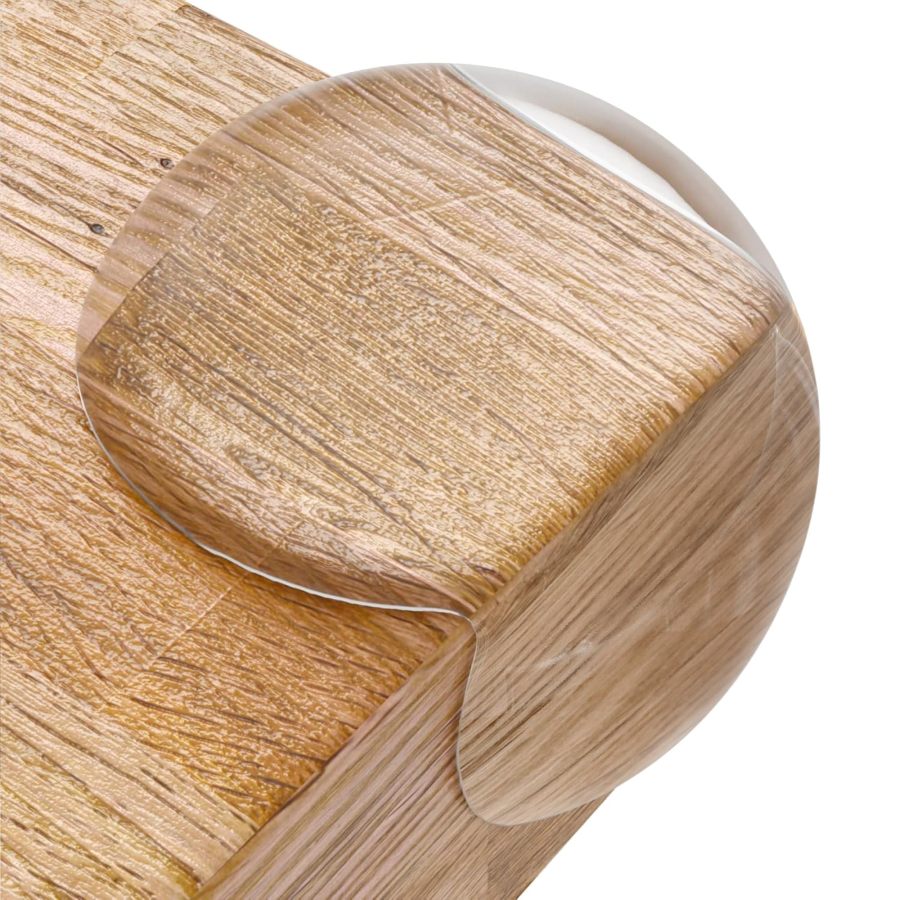
Baby corner guards are primarily used to cover sharp furniture edges and corners in the home to protect infants and toddlers from bumps and injuries during their learning-to-walk phase or playtime. These products are mostly made of transparent PVC or silicone, with common designs including L-shaped, spherical, or a combination of both, aiming to provide home safety while maintaining aesthetics. Such products can also offer daily bump protection for adults and pets. The following table illustrates the key characteristics of consumer behavior in this category.
| Dimension | Segment | Description |
|---|---|---|
| Need Driver Type | Planned Purchase / Emergency-driven Purchase | Primarily driven by preventive needs during a child's learning-to-walk phase, but also includes emergency needs for adult accidental bumps. |
| Purchase Frequency | Low Frequency | Typically a one-time purchase to meet most household needs, unless furniture is replaced or some products fall off and need replenishment. |
| Decision Complexity | Medium | Involves child safety, leading users to compare material safety, adhesive strength, cushioning effect, and reviews. |
| Price Sensitivity | Medium | Product quality for safety is prioritized, but budget remains an important consideration; more expensive is not necessarily better. |
| Emotional Dependency | Medium to High | Directly related to children's health and safety, parents have strong emotional investment, seeking maximum peace of mind. |
II. User Personas & Usage Scenarios
2.1 New Parents / Expecting Parents (Safety-First Type)
🎯 Households with infants and toddlers aged 0-3, especially during the learning-to-walk phase, highly focused on child home safety, and very sensitive to potential risks.
| Typical Usage Scenarios | Core Pain Points | Primary Purchase Drivers |
|---|---|---|
|
|
|
2.2 Pragmatic Household / Adult Self-Protectors (Balancing Aesthetics & Functionality)
🎯 Beyond child safety, also concerned with daily bump protection for family members (adults, elderly) and furniture itself, with requirements for home aesthetics.
| Typical Usage Scenarios | Core Pain Points | Primary Purchase Drivers |
|---|---|---|
|
|
|
III. User Needs Hierarchy (KANO Model)
3.1 Basic Needs (Must-Haves)
- Effective Impact Cushioning: The corner guard must significantly reduce the impact injury caused by sharp edges and corners to people, especially children.
- Safe Materials: Product materials are non-toxic, odorless, free of harmful chemicals like BPA, and comply with safety standards.
- Easy to Install: The installation process is simple and quick, allowing users to operate it themselves without professional tools.
3.2 Performance Needs (Linear Satisfiers)
- Long-Lasting Adhesive: The adhesive strip bonds firmly, not easily torn off by children or dislodged by daily bumps.
- Residue-Free Removal: Removal does not damage the furniture surface or leave adhesive residue.
- Transparent & Invisible: Material is transparent, blending with furniture color without disrupting overall home aesthetics.
- Wide Applicability: Compatible with various materials like wood, glass, metal, marble, and suitable for common corner shapes like L-shaped and spherical.
- Durable & Tear-Resistant: Material is tough, able to withstand daily wear and tear and curious pulling or chewing by children.
3.3 Excitement Needs (Delighters)
- Anti-Choke Design: Unique size or shape design fundamentally eliminates the risk of children accidentally swallowing the corner guard.
- Advanced Shock Absorption: Utilizes innovative technologies like air-cushion structures or highly elastic gel to provide far-exceeding-expected cushioning and energy absorption.
- Reusable: Product designed for easy cleaning and re-pasting after removal, facilitating furniture adjustments or moving.
3.4 Unmet Needs & Opportunities
-
Extremely Strong, Durable & Damage-Free Adhesive: The market generally lacks solutions that offer both ultra-strong, permanent bonding and guaranteed zero damage to furniture upon removal.
User Reviews (VOC) Customers have mixed experiences with the adhesive strength of these corner protectors, with some reporting that they adhere well and stay put for a long time, while others find that the glue is weak and doesn't hold properly. // Strips off the paint when taken out
-
Genuinely Soft & High Cushioning Experience: Many products claim softness and cushioning, but users' actual experience finds them too hard with subpar cushioning effect, creating a gap with the 'soft' claim.
User Reviews (VOC) Customers have mixed opinions about the softness of the corner protectors, with some finding them cushioned and protective, while others report they are very hard and not squishy. // I honestly had a worse bruise and lump from hitting off the corner protectors than if I hadn't covered them.
-
Perfect Fit Solution for Irregular Corners: Market products mainly target 90-degree right angles, with poor adaptability to curved, beveled, or irregular furniture edges, lacking a universal solution.
User Reviews (VOC) On a side note, there is not a ton of flexibility with the corners you can use these on. They don't bend to conform to corners more or less less than 90°. // Only covers top corner of table
-
Child-Resistant, Tamper-Proof Design: Curious infants and toddlers can easily tear off corner guards, leading to protection failure and increased choking risk. There's a lack of designs effectively resistant to child pulling.
User Reviews (VOC) My one year old son is able to rip these off very easily. This was a waste of a product. // they don't stick to every surface, so it depends on where you want them if they'll work for you.
IV. User Decision Drivers
4.1 Key Decision Factors
- Actual Protective Effectiveness: Whether the corner guard provides sufficient cushioning when a child or adult accidentally hits it, truly preventing or reducing injury.
- Adhesive Strength: Whether it sticks firmly, not easily pulled off by children or dislodged during daily use.
- Material Safety: Whether the product uses non-toxic, eco-friendly materials, ensuring safety upon contact, especially considering children may chew on it.
4.2 Secondary Decision Factors
- Ease of Installation: Whether the installation process is simple and quick, not consuming excessive time and effort.
- Protection for Furniture: Whether removal leaves no marks or damages the furniture surface.
- Visual Invisibility: Whether the product appearance is transparent and low-key, not affecting overall home aesthetics.
- Value for Money: Whether the product price is reasonable while meeting safety and functional needs.
- Product Durability: Whether the product material is long-lasting, not prone to breakage or deterioration.
V. Selling Points & Competitive Landscape
5.1 Selling Point Analysis
5.1.1 Standard Features (Points of Parity)
- Transparent Design: Blends with furniture, doesn't affect home aesthetics.
- Easy to Install: Pre-applied adhesive tape for convenient, quick attachment.
- Child Safety: Core selling point, protecting babies from sharp corner injuries.
- Multi-Surface Applicability: Suitable for various furniture materials like wood, glass, metal, marble.
5.1.2 Key Differentiators
- Strong Adhesive: Emphasizes use of 3M tape or other upgraded adhesives to ensure firm, non-detachment.
- Non-Toxic & Odorless: Highlights safety certifications like BPA Free, Food-Grade Silicone, Phthalate-Free.
- Upgraded Cushioning Design: Spherical, L-shaped, T-shaped combination designs, or mentions 'air-cushion design', 'extra thick' to enhance shock absorption.
- Residue-Free Removal: Claims product removal won't damage furniture surfaces or leave residue.
- Multi-Piece Sets: Offers larger quantities (e.g., 20, 36, 40 pieces) to meet whole-house needs.
- Adult/Elderly Applicability: Expands usage scenarios to adult and elderly bump protection needs.
5.1.3 Unique Selling Propositions (USPs)
- Patented Design: Very few products claim to have patented shapes or combination designs, offering unique protection.
- Easy-Peel Adhesive Liner: Optimizes the peeling experience of the adhesive protective film, simplifying installation.
- Specific Anti-Choke Dimensions: Product explicitly designed with dimensions that physically circumvent the potential choking risk for infants.
5.2 Competitive Landscape
5.2.1 Market Maturity
The 'Baby Corner Guards' category has a relatively high market maturity, with product forms and core functions relatively fixed. Most products are highly similar in material (PVC/silicone), transparency, and basic installation methods. Brands primarily compete through adhesive strength, safety certifications, and product quantity.
5.2.2 Innovation Trends
Innovation trends are mainly reflected in refined solutions to existing pain points: for example, improving adhesive formulas and pre-coating processes to enhance adhesive performance and residue-free removal; exploring more energy-absorbing cushioning structures (like combining L-shaped and spherical, or built-in air cushions); and expanding product positioning from singular 'baby protection' to 'whole-family universal home safety' solutions.
VI. Marketing Claims vs. Reality Check
The table below analyzes the gap between common marketing claims and actual user experiences in this category:
| Dimension | Marketing Claim | User Reality | Verdict |
|---|---|---|---|
| Cushioning Softness | Soft and shock-absorbing, providing superior protection. | Users widely report products are too hard, with a less soft feel than expected and poor cushioning effect upon impact. Some users even feel it hurts more than hitting an unprotected corner. | A significant gap exists between the material hardness and the marketing claim of 'soft cushioning', failing to deliver on the promise of reducing collision injury and potentially introducing new safety risks. |
| Adhesive Durability | Strong bonding, lasting adhesion, resistant to baby pulling. | Numerous user reports indicate insufficient adhesive strength, with corner guards easily falling off, especially on glass, specific wood types, or in hot/humid environments, and even being easily torn off by toddlers. | The widespread issue of insufficient adhesive directly undermines the product's core function. Sellers' 'strong bonding' claims are frequently disproven in actual use, severely impacting user trust and safety assurance. |
| Residue-Free Removal Promise | Removes without leaving marks, does not damage furniture surface. | Some users report paint peeling or stubborn residue left upon removal, contradicting the no-mark promise and causing secondary damage to furniture. | The promise of residue-free removal is not fulfilled on some furniture surfaces, leading to user concerns about potential furniture damage. This conflicts with a core selling point and damages brand credibility. |
Key Takeaway: The market exhibits widespread parameter inflation and scenario-based experience exaggeration, especially regarding adhesive durability and cushioning softness.
VII. Supply-Demand Misalignment Analysis
The table below highlights mismatches between seller focus and buyer priorities:
| Dimension | Seller Behavior | User Focus | Verdict |
|---|---|---|---|
| Adhesive Strength & Durability | Generally emphasize 'strong bonding' but avoid discussing actual detachment rates or long-term stability data, failing to provide concrete performance guarantees. | 'Won't stick, falls off at a child's touch' is a high-frequency negative feedback. Users have strong dissatisfaction with durability, with even potential choking risks emerging. | Sellers have failed to translate the core adhesive pain point into a reliable product advantage, causing users to question the product's most basic safety function. This is a key driver of negative reviews and returns. |
| Real Perception of Cushioning Effect | Market 'soft cushioning' and 'shock absorption' but lack actual impact test data or user-perceivable proof of softness, overly relying on material claims. | Users widely report 'too hard,' 'as hard as the furniture,' with poor cushioning effect, failing to provide the expected 'gentle protection.' | A gap exists between sellers' marketing of cushioning effect and users' actual experience. Sellers fail to provide the 'gentle protection' consumers expect, weakening the product's core safety value. |
| Choking Risk & Tamper-Proof Design | Generally emphasize 'safe materials' but rarely mention specific designs or certifications for anti-pull and anti-choke, lacking deep consideration for infant behavioral characteristics. | Concerns like 'child easily tears it off' and 'could be swallowed' are widespread. Detached corner guards indeed pose a choking risk-a serious potential safety incident. | Sellers lack systematic solutions for the choking risk caused by curious infant behavior. There is a blind spot in core safety assurance, potentially leading to fatal consequences. |
Key Takeaway: Sellers collectively remain silent or downplay core functional pain points while over-investing in superficial needs like 'aesthetics' and 'convenience,' leading to a supply-demand mismatch.
VIII. Strategic Opportunities & Recommendations
8.1 Corner Guards with Extremely Strong, Durable & Damage-Free Adhesive
8.1.1 Target Audience & Pain Points
⚡️ Pain Points Addressed: Insufficient adhesive strength & durability; damage to furniture surface upon removal.
8.1.2 Action Plan
Invest in R&D for new composite adhesives, e.g., heat-activated removable gels or micro-suction technology, or offer replaceable adhesive strips with different strength grades. Optimize product structure for firmer integration with the adhesive tape.
| Tech Complexity | Medium |
| Cost Impact | Medium Impact |
| Trade-off Warning | No significant physical side effects; primarily involves optimizing adhesive formula and structural design. |
| Price Band | Only viable above $9.99 |
8.1.3 Marketing Strategy
Emphasize 'Secure Protection, Zero Residue-Double Peace of Mind for Your Home and Child with Tech-Guarded Safety'; reinforce communication with third-party certified 'Zero Damage to Furniture' and 'Child-Resistant Pull' features.
8.2 Corner Guards with Genuinely Soft & High Cushioning Material
8.2.1 Target Audience & Pain Points
⚡️ Pain Points Addressed: Controversy over cushioning softness; actual cushioning effect is poor.
8.2.2 Action Plan
Explore materials like high-density memory gel, biomimetic honeycomb silicone structures, or multi-layer composite materials. Optimize energy absorption through material science and structural engineering, ensuring a soft feel and superior impact absorption.
| Tech Complexity | Medium |
| Cost Impact | Medium Impact |
| Trade-off Warning | May slightly increase product volume or weight, but significantly improves protective effect. Requires balancing portability. |
| Price Band | Only viable above $12.99 |
8.2.3 Marketing Strategy
Highlight 'Say Goodbye to Hardness, Enjoy Cloud-Soft Protection-A Gentler Touch for Your Baby Every Time'; provide impact absorption test video comparisons, showcasing scientific data on material softness.
8.3 Multi-Scenario, High-Adaptability Corner Guard Set
8.3.1 Target Audience & Pain Points
⚡️ Pain Points Addressed: Perfect fit solution for irregular corners; product application scenarios not fully explored.
8.3.2 Action Plan
Develop corner guard products with higher flexibility and moldability, e.g., using new soft rubber materials that can be self-cut or bent to fit non-standard angles; or design modular, combinable corner guard systems.
| Tech Complexity | Medium |
| Cost Impact | Medium Impact |
| Trade-off Warning | May increase packaging complexity for the set or design complexity for individual products. Requires considering user acceptance. |
| Price Band | Only viable above $14.99 |
8.3.3 Marketing Strategy
Position as 'Seamless Fit for Any Angle, Right or Round-Making Every Hazard Invisible'; showcase perfect fitting effects on various complex-shaped furniture in the listing.
8.4 Child-Resistant, Tamper-Proof Design Corner Guards
8.4.1 Target Audience & Pain Points
⚡️ Pain Points Addressed: Child removal and choking risk.
8.4.2 Action Plan
Integrate hidden adult-only unlocking mechanisms, or adopt deeper adhesive groove designs, making it difficult for children to tear off by hand. Ensure product dimensions comply with anti-choke standards.
| Tech Complexity | Low |
| Cost Impact | Low Impact |
| Trade-off Warning | May increase operational difficulty for adult removal, requiring user education and clear instructions. |
| Price Band | Only viable above $8.99 |
8.4.3 Marketing Strategy
Emphasize 'Safety Locked, Choke-Proof-Kids Play, Parents Relax'; highlight product passing child pull tests, alleviating parental worries.