Amazon US Market Analysis: Yoga Blocks Category
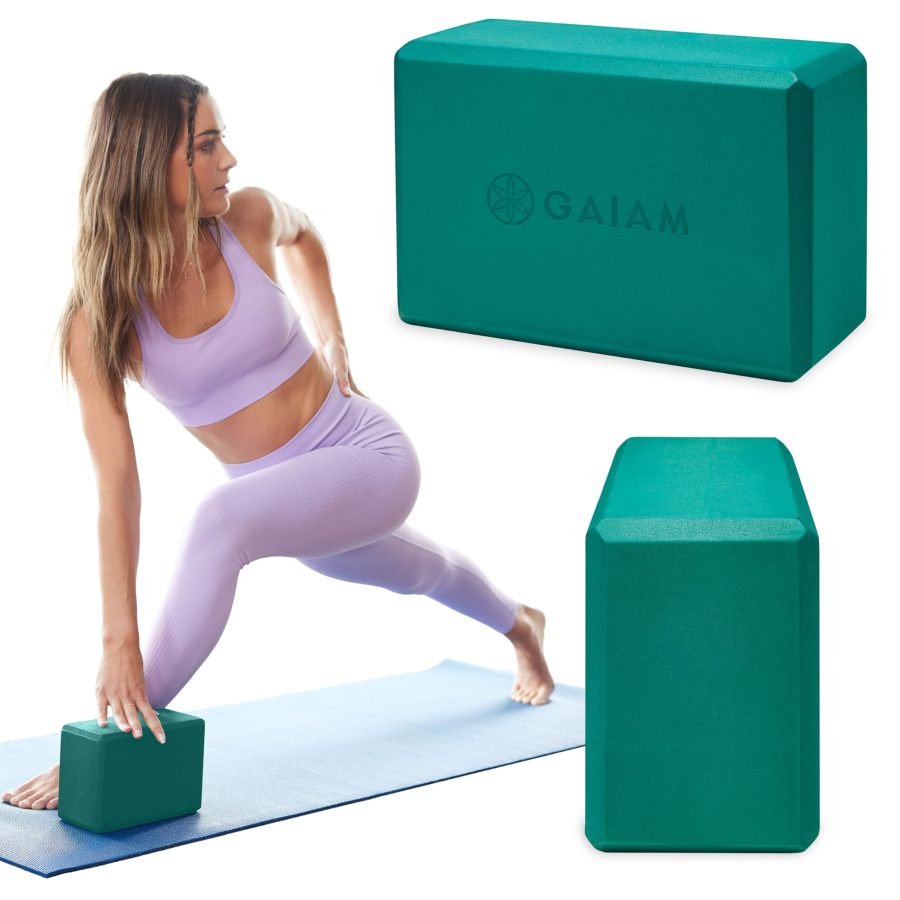
📊 Executive Summary
📈 Market Trends
Intense Homogenized Competition; Sustainability and Experience Details Emerge as New Growth Drivers. The yoga block market is highly mature, with EVA foam products dominating. Function and appearance are largely similar. While consumers seek basic support and portability, they increasingly care about material sustainability, usage comfort, and long-term aesthetics. Demand for personalization and detailed experiences is gradually rising.
⚡ Major Pain Points
Firmness and Wear Resistance are Key Weaknesses of EVA Foam Blocks. Users commonly complain that EVA yoga blocks cannot meet all segmented needs regarding firmness; some are too soft for proper support, and surfaces scratch/wear easily, affecting long-term appearance. Additionally, unclear size descriptions and insufficient wet-hand grip are common user experience pain points.
💡 Selection Opportunities
Deep Dive into Segmented User Needs to Break Through with Differentiated Innovation. Market opportunities lie in launching a 'Multi-Firmness Customizable EVA Yoga Block Series' to meet different practitioners' needs and developing 'Upgraded Scratch-Resistant, High-Aesthetic EVA Yoga Blocks' to address appearance durability pain points. Simultaneously, position 'Natural Cork / Recycled EVA Yoga Blocks & Eco-Gift Sets' to capture the premium eco-market. Continuously optimize wet-hand grip performance. Establish brand barriers through precise product strategy and marketing innovation.
I. Analysis Overview
1.1 Introduction & Report Scope
This report analyzes the 'Yoga Blocks' category in the US Amazon marketplace, focusing on target user personas, core needs, decision drivers, market communication, and potential opportunities.
1.2 Category Snapshot
Yoga blocks are common props used in yoga, Pilates, fitness, and other activities. They are primarily made from EVA foam or natural cork and are used to provide support, aid balance, deepen stretches, and adjust poses. They help users perform movements safely and effectively, suitable for both beginners and experienced practitioners. They are typically sold as single blocks or in two-block sets, with some products including a strap to enhance overall practice effectiveness and convenience. The following table illustrates the key characteristics of consumer behavior in this category.
| Dimension | Segment | Description |
|---|---|---|
| Need Driver Type | Planned Purchase / Problem-Solving | User purchases typically stem from a preset fitness plan or to solve practical problems encountered during yoga practice, such as insufficient flexibility or balance difficulties. |
| Purchase Frequency | Low Frequency | As durable fitness props, yoga blocks have a low purchase frequency unless they are damaged, lost, or users seek an upgrade, as they have a long lifespan. |
| Decision Complexity | Medium | Consumers compare factors like material (EVA, cork), firmness, size, brand, and price, but the decision process does not involve complex technical evaluation. |
| Price Sensitivity | Medium | Price is an important consideration, with the market offering both affordable EVA and premium cork options. Users are willing to pay a reasonable premium for higher quality, durability, and eco-friendly materials. |
| Emotional Dependency | Medium | Primarily based on functionality and practicality, but product color, aesthetic design, brand identity, and eco-friendly concepts also provide a certain level of emotional value and psychological connection for users. |
II. User Personas & Usage Scenarios
2.1 Yoga Beginner / Limited Flexibility User
🎯 Individuals new to yoga or with limited body flexibility who need props to safely perform poses and gradually improve.
| Typical Usage Scenarios | Core Pain Points | Primary Purchase Drivers |
|---|---|---|
|
|
|
2.2 Advanced Yoga Enthusiast / Home Fitness User
🎯 Active users with a solid yoga foundation who pursue higher-quality practice experiences or use yoga blocks for diverse fitness training.
| Typical Usage Scenarios | Core Pain Points | Primary Purchase Drivers |
|---|---|---|
|
|
|
III. User Needs Hierarchy (KANO Model)
3.1 Basic Needs (Must-Haves)
- Provide Support & Height: Helping users safely complete poses by compensating for lack of body flexibility or strength is the core function of a yoga block.
- Lightweight & Portable: Made from lightweight materials for easy portability and movement between home, studio, or travel, unrestricted by location.
- Easy to Clean: Surface material should be easy to wipe and maintain, ensuring hygiene post-workout and preventing bacterial growth.
- Odorless: New products should not have a strong chemical smell, ensuring comfort and health safety during use, especially for odor-sensitive users.
3.2 Performance Needs (Linear Satisfiers)
- Non-Slip Surface: Ensures a secure grip between hands/feet and the block during various poses, preventing slipping and enhancing practice safety.
- Sturdy & Durable: Product should withstand long-term use and body weight without deforming, collapsing, or showing significant surface wear, maintaining stable support.
- Comfortable Edges: Featuring beveled or rounded edges to reduce discomfort when palms or other body parts make contact, improving grip comfort.
- Color & Coordination: Offering multiple color options allows users to match personal preference or coordinate with existing yoga mats and home decor.
- Non-Toxic Materials: Using materials compliant with safety standards, free from allergens like latex, safeguards user health, especially for groups with high environmental and health demands.
3.3 Excitement Needs (Delighters)
- Included Yoga Strap: Providing a strap alongside the blocks to form a complete prop set, further deepening stretches and pose adjustments, offering a one-stop solution.
- Included Instructional Guide: Providing illustrated pose guidance or a manual/e-book helps beginners better utilize yoga blocks, lowering the learning barrier.
- Unique Material Experience: Such as the unique texture, enhanced grip, and eco-value of natural cork, offering experiential and psychological satisfaction beyond basic function.
- Aesthetic Design & Texture: Product surface features unique textures or laser-etched patterns, enhancing visual and tactile pleasure, making the block part of home aesthetics.
3.4 Unmet Needs & Opportunities
-
Product Firmness Mismatch with Personalized Needs: Existing yoga blocks lack clear gradient options in firmness, leading some users to find them too soft for adequate support, while others find them too hard and uncomfortable, making it difficult to find a product perfectly suited to their flexibility or pose requirements.
User Reviews (VOC) A bit squishier than expected, but works // more foamy than they prefer // This block is somewhat smaller and softer, therefore making the exercises easy to perform. // It does crush down a bit.
-
Non-Standard Sizes or Unclear Communication: Many users report that block sizes do not match traditional expectations or their own, and sellers lack clear explanations of size differences or application guidance, causing confusion at purchase and impacting user experience.
User Reviews (VOC) not regular sized // smaller/shorter than the yoga blocks I am used too // the 4-inch height is a bit tall for my child's foot positioning // narrower than a standard yoga block.
-
EVA Foam Surface Prone to Scratches/Wear: Common EVA foam yoga blocks have weak resistance to scratches and indentations; daily use or improper storage easily leaves marks, affecting long-term aesthetics, creating a contrast with advertised 'durability'.
User Reviews (VOC) the material scratches easily // the blocks get indentions so easily // Works fine, but marks easily // my tortuga con subirse a él lo dejó todo rayado.
-
Room for Improvement in Wet-Hand Grip: Although most products claim to be non-slip, during intense practice when hands sweat, the actual grip performance of some blocks remains insufficient, potentially affecting safety and focus.
User Reviews (VOC) If your hands get sweaty, it might squeak!
IV. User Decision Drivers
4.1 Key Decision Factors
- Stability & Support Strength: Whether a yoga block can provide reliable, non-collapsing, firm support in various poses is the user's primary consideration, directly related to practice safety and effectiveness.
- Material Sturdiness & Durability: Whether the product is pressure-resistant, deformation-resistant, scratch-resistant, and can withstand long-term use determines its core value and consumer satisfaction.
- Grip / Non-Slip Performance: Ensuring a secure grip for hands and feet, both dry and sweaty, prevents accidental slipping, safeguarding personal safety and pose stability during practice.
- Value for Money: Given that basic function and quality requirements are met, whether the price is reasonable and commensurate with the value provided is a key factor for mass consumers.
4.2 Secondary Decision Factors
- Lightweight Portability: Ease of carrying and storage is a significant plus, especially for users who need to move or carry blocks frequently to attend classes.
- Size & Thickness: Whether it matches individual height, flexibility, and specific pose requirements for support height affects the user experience and effectiveness.
- Eco-Friendliness & Health: Whether the product material is non-toxic, eco-friendly, and sustainable is increasingly a focus, becoming a differentiating factor for some consumers.
- Brand Reputation: Products from well-known yoga brands often carry higher trust and professional endorsement, providing quality assurance for consumers.
- Aesthetic Appeal: Whether the product color and design align with personal taste and harmonize with home decor or yoga mats enhances practice pleasure.
V. Selling Points & Competitive Landscape
5.1 Selling Point Analysis
5.1.1 Standard Features (Points of Parity)
- Provides Support & Balance: Almost all yoga blocks emphasize their core function-helping users complete poses, improving stability and body alignment.
- Lightweight & Portable: Using lightweight EVA foam material, emphasizing the product's compact size and ease of carrying for use in different locations.
- Non-Slip Surface / Beveled Edges: Commonly feature a non-slip textured surface and comfortable beveled edges, aiming to ensure secure grip and comfortable touch.
- EVA Foam Material: As the current mainstream material, it balances lightweight properties with basic support, offering high cost-effectiveness.
- Versatile Use: Marketing its applicability not just to yoga, but also to Pilates, stretching, meditation, and other fitness activities, broadening usage scenarios.
5.1.2 Key Differentiators
- High-Density / Firm Foam: Some products emphasize higher foam density, resistance to deformation, and stronger, longer-lasting support to differentiate from 'too soft' competitors.
- Eco-Friendly / Non-Toxic / Latex-Free: Catering to health and environmental trends, emphasizing the material's friendliness to humans and the environment, e.g., latex-free, BPA-free.
- Set (Includes Strap / Guidebook): Offering a combination set of blocks with a strap or other props, or including instructional guides, providing a one-stop solution and added value.
- Easy to Clean / Stain-Resistant: Emphasizing that the surface is easy to wipe and maintain, with moisture-resistant, non-absorbent properties, enhancing daily maintenance convenience.
5.1.3 Unique Selling Propositions (USPs)
- Cork Material: Offers natural, high-density, firmer support with a unique texture and scent, emphasizing sustainability and eco-attributes, creating a clear distinction from foam blocks.
- Recycled EVA Foam: Highlighting the product's eco-attributes, clearly stating the percentage of recycled materials used, strengthening the brand's social responsibility commitment.
- Laser-Etched Patterns / Unique Textures: Enhancing the product's aesthetic value and brand recognition through unique surface textures or laser-etched patterns (e.g., lotus).
- Specific Size Design: Offering non-standard sizes (e.g., 4-inch thickness, or specific shapes) targeting specific user groups or pose needs to provide differentiated support.
5.2 Competitive Landscape
5.2.1 Market Maturity
The yoga block market is mature, with widespread homogenization in product function and appearance. Mainstream competition primarily focuses on price, basic performance (support strength, grip), and brand influence. Most brands attract consumers through multiple color options and lightweight portability but lack disruptive innovation.
5.2.2 Innovation Trends
Current market innovation is mainly reflected in: First, exploration of material diversification, such as adopting natural cork and recycled EVA foam to align with eco-trends. Second, optimization of product bundling, e.g., packaging yoga blocks with straps or other props to offer one-stop solutions. Finally, breakthroughs in design aesthetics, using unique colors, textures, or even laser-etched patterns to enhance product personality and home aesthetic value. Fine-grained exploration of user experience details (e.g., firmness, size fit) is also gradually emerging.
VI. Marketing Claims vs. Reality Check
The table below analyzes the gap between common marketing claims and actual user experiences in this category:
| Dimension | Marketing Claim | User Reality | Verdict |
|---|---|---|---|
| Firmness & Support Strength | "High-density foam provides firm support and stable balance, while also being soft and comfortable." | User feedback is polarized: some find EVA foam blocks too soft, 'squishing down' or 'indenting' under weight, failing to provide sufficient 'rigid' support; others find them 'firm but has just enough give.' Cork blocks are favored by professionals for their high firmness, highlighting the inherent limitations of EVA material. | Sellers attempt in marketing to balance the dual advantages of EVA foam's 'softness' and 'firmness.' However, due to the material's physical properties, it's difficult to meet all users' precise needs for specific firmness, leading to expectation gaps. Vague promotion of 'softness/firmness' creates consumer misalignment regarding perceived support. |
| Surface Durability | "Durable foam, long-lasting, withstands daily use and maintains shape, staying like new." | Numerous user reviews report that EVA foam surfaces have weak resistance to scratches and indentations; daily use or improper storage (e.g., scratched by nails, pets) easily leaves marks, causing the product to look worn quickly, contradicting the seller's 'durable' promise regarding long-term aesthetics. | Sellers define 'durability' more in terms of structural strength rather than surface wear resistance, overlooking user expectations for long-term appearance maintenance. This information asymmetry creates an experience gap of 'sturdy but easily aged,' damaging user trust in product quality. |
| Product Size Standard | "Perfect size," "Standard yoga block size," suitable for all poses and users. | Many users report product sizes as non-'standard' or not matching expectations (e.g., 3-inch thickness or overall smaller/narrower), failing to provide expected support in certain poses or requiring adjustment of usage habits. Inconsistent size descriptions within some listings exacerbate user confusion. | Sellers are insufficient in standardizing and clearly communicating yoga block sizes, failing to effectively help users match products to personal needs. This generic 'standard' claim fails to address the impact of size differences on actual user experience, leading to uncertainty in purchase decisions and usage inconvenience. |
Key Takeaway: The market exhibits widespread parameter inflation and scenario-based experience exaggeration, especially regarding EVA foam's 'sturdy durability' and 'standard size,' creating a disconnect with actual user perception.
VII. Supply-Demand Misalignment Analysis
The table below highlights mismatches between seller focus and buyer priorities:
| Dimension | Seller Behavior | User Focus | Verdict |
|---|---|---|---|
| Yoga Block Firmness & Customization | Sellers generally emphasize EVA foam as 'moderately firm,' 'balancing softness and support,' but few products offer clear firmness grades or recommendations for different practice needs; marketing strategies are generic. | Users frequently mention different preferences for softness/firmness in reviews, complaining about blocks being 'too soft' or 'too hard,' indicating that the market's personalized demand for firmness is not adequately addressed, leading to choice difficulty. | Sellers attempt to cover all users with the single concept of 'moderately firm,' neglecting the segmented preferences for firmness among yoga practitioners, failing to provide differentiated solutions, resulting in precise needs being overlooked by the market. |
| Long-Term Appearance Durability | Sellers' listings focus on promoting EVA foam's structural advantages like 'high density,' 'sturdy,' 'durable and deformation-resistant,' but rarely mention or promise the product's surface resistance to scratches and indentations. | Consumers commonly complain that EVA yoga blocks 'scratch easily,' 'dent easily,' 'look old quickly,' creating a perception conflict with the seller's emphasis on 'durability,' affecting long-term satisfaction and perceived product quality. | Sellers focus the concept of 'durability' on structural strength, failing to recognize users' implicit expectation for the product to 'maintain a new appearance.' This leads to a disconnect between marketing and actual experience, ultimately affecting user perception of brand value. |
| Size Standardization & Purchase Guidance | Many sellers only provide product dimensions but lack explanations linking them to industry standards or different body type/pose needs. Some even have inconsistent descriptions, creating information asymmetry. | User feedback shows varied understanding of 'standard size,' or they feel the product is 'smaller/narrower than expected' upon receipt, wishing for clearer size selection guides or comparisons with other brands to avoid mispurchases. | Sellers fail to provide clear, consistent size information and purchase guidance, creating cognitive barriers for consumers before purchase, reducing selection efficiency and satisfaction, and missing opportunities to build trust through professional service. |
Key Takeaway: Sellers' marketing of basic functions is homogenized, yet they fail to deeply address users' core pain points regarding product firmness, long-term appearance durability, and size fit, leading to a supply-demand mismatch.
VIII. Strategic Opportunities & Recommendations
8.1 Multi-Firmness Customizable EVA Yoga Block Series
8.1.1 Target Audience & Pain Points
⚡️ Pain Points Addressed: Product firmness mismatch with personalized needs.
8.1.2 Action Plan
Launch three firmness levels: 'Beginner (Soft),' 'Universal (Medium),' 'Professional (Firm).' Provide a firmness index and recommended pose scenarios on the product page. Develop different EVA foam formulations for each firmness.
| Tech Complexity | Medium |
| Cost Impact | Medium Impact |
| Trade-off Warning | Increased firmness may lead to a slightly harder feel, requiring clear user education to manage expectations and avoid misunderstanding. |
| Price Band | Only viable above $16.99 |
8.1.3 Marketing Strategy
"Tailor Your Support: Discover the Perfect Firmness for Your Body and Practice Style." Use scenario comparison images to show differences in support and comfort across firmness levels and provide a personalized buying guide.
8.2 Upgraded Scratch-Resistant, High-Aesthetic EVA Yoga Block
8.2.1 Target Audience & Pain Points
⚡️ Pain Points Addressed: EVA foam surface prone to scratches/wear.
8.2.2 Action Plan
Adopt denser, more scratch-resistant surface-layer EVA material or special surface coating technology to reduce daily scratches and indentations. Introduce unique anti-scratch texture designs or launch special colors that are easy to clean and resist marks.
| Tech Complexity | Medium |
| Cost Impact | Medium Impact |
| Trade-off Warning | Additional coatings may slightly alter the feel or add minimal weight, but the user experience improvement is significant and controllable. |
| Price Band | Only viable above $15.99 |
8.2.3 Marketing Strategy
"Stays Like New, Unfazed by Wear: Your Yoga Block, Elegant as the First Day." Use comparison test videos to demonstrate the product's superior scratch resistance, reinforcing its long-term investment value and aesthetic durability.
8.3 Natural Cork / Recycled EVA Yoga Block & Eco-Gift Set
8.3.1 Target Audience & Pain Points
⚡️ Pain Points Addressed: Unmet needs of eco-conscious and quality-seeking users.
8.3.2 Action Plan
Launch FSC-certified natural cork yoga blocks or products clearly labeled with high recycled EVA foam content. Focus on product texture and eco-friendly packaging design. Integrate a strap and elegant pose cards into a gift box set.
| Tech Complexity | Medium |
| Cost Impact | High Impact |
| Trade-off Warning | Natural cork blocks are typically heavier and firmer than EVA foam blocks, potentially sacrificing some portability; user acceptance of these material characteristics needs to be clear. |
| Price Band | Only viable above $24.99 |
8.3.3 Marketing Strategy
"Dance with Nature: Indulge in Sustainable Yoga Living." Highlight the product's natural, eco-friendly, unique feel, and design aesthetics. Use brand storytelling to emphasize its social responsibility and positive impact on mind-body wellness.
8.4 Enhanced Wet-Hand Grip Yoga Block
8.4.1 Target Audience & Pain Points
⚡️ Pain Points Addressed: Room for improvement in wet-hand grip performance.
8.4.2 Action Plan
Develop EVA foam formulations with moisture-wicking or deeper grip textures, or introduce specific surface treatments to ensure high friction is maintained in humid conditions, improving grip stability.
| Tech Complexity | Low to Medium |
| Cost Impact | Low Impact |
| Trade-off Warning | Special grip textures or coatings may slightly affect surface cleanability, but this can be minimized through optimized design. |
| Price Band | Only viable above $14.99 |
8.4.3 Marketing Strategy
"Sweat-Proof, Superior Grip: Extreme Traction for Every Stretch." Use comparison experiment videos to demonstrate the product's superior grip performance in wet/slippery conditions, emphasizing its safety and professionalism.