Amazon US Market Analysis: Portable Binoculars Category
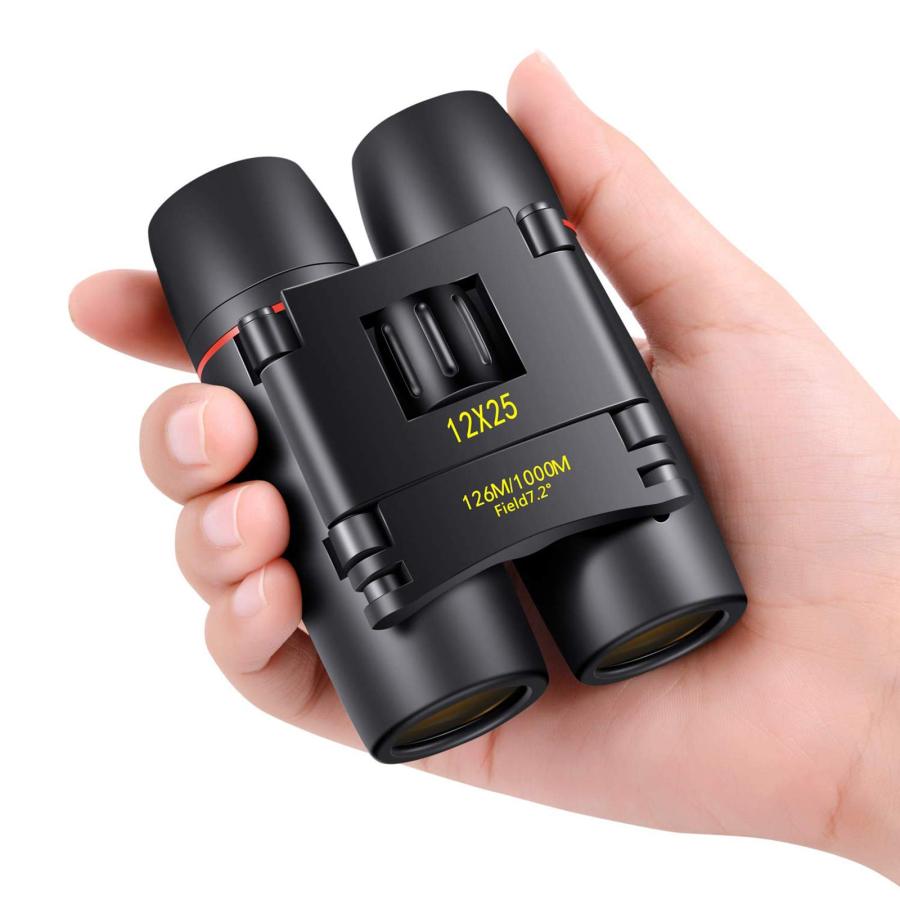
📊 Executive Summary
📈 Market Trends
Portability drives market demand, but inflated specs are a persistent industry ailment. The portable binoculars market continues to grow, with strong user demand for lightweight, multi-scenario products. However, widespread exaggeration like '200X,' '300X' has severely eroded consumer trust, pushing the industry into a vicious cycle of low-price competition and mismanaged consumer expectations regarding genuine performance.
⚡ Major Pain Points
False magnification, low-quality accessories, and poor experience for eyeglass wearers are core weaknesses. Users are most dissatisfied with the performance gap caused by inflated magnification specs. Secondly, poor quality, easily damaged accessories like straps and cases negatively impact the overall user experience. Additionally, discomfort for eyeglass wearers, along with optical flaws like edge blur and focusing issues, are frequent complaints.
💡 Selection Opportunities
Return to optical authenticity, deepen user experience, build differentiated value. Selection opportunities lie in: 1. Providing genuine, reliable optical performance, rejecting inflated specs to rebuild trust. 2. Optimizing ergonomic design, especially focusing on comfort for eyeglass wearers. 3. Enhancing accessory quality and durability, elevating perceived value through details. 4. Exploring integration of practical functions like smartphone photography, upgrading binoculars into multi-functional tools. These initiatives can effectively break through homogenized competition, winning user 口碑 and market share.
I. Analysis Overview
1.1 Introduction & Report Scope
This report analyzes the 'Binoculars' category (portable binoculars) in the US Amazon marketplace, focusing on target user personas, core needs, decision factors, market communication, and potential opportunities.
1.2 Category Snapshot
Portable binoculars (also known as mini or pocket binoculars) are devices focused on providing long-distance observation capabilities while emphasizing lightness and easy portability. Their core function is optical magnification, typically ranging from 8x to 15x. They are widely used in outdoor activities, travel and sightseeing, cultural and sports events, and casual leisure observation, meeting users' needs to explore their field of view anytime, anywhere. The following table illustrates the key characteristics of consumer behavior in this category.
| Dimension | Segment | Description |
|---|---|---|
| Need Driver Type | Planned Purchase / Impulsive Purchase | Primarily used for pre-planned outdoor activities or travel; partially purchased on impulse for events or sudden needs, combining practical and entertainment attributes. |
| Purchase Frequency | Low-Frequency / Seasonal | Typically a one-time purchase durable good, not a daily consumable; minor purchase peaks may occur during holidays or peak travel seasons. |
| Decision Complexity | Medium | Users compare clarity, magnification, size, and price but do not delve into complex optical principles, preferring quick decisions. |
| Price Sensitivity | Medium-High | Price is a significant consideration, especially in the entry-level market, but users have certain expectations for actual observation quality and are willing to pay a reasonable premium for it. |
| Emotional Dependency | Medium | Primarily based on functional utility, but scenarios like outdoor exploration, parent-child interaction, and event viewing provide emotional value and a sense of security, enhancing the experience. |
II. User Personas & Usage Scenarios
2.1 Leisure Traveler / Sightseer
🎯 Values light and free travel, hoping to enjoy distant views anytime, anywhere during trips without being burdened by bulky equipment.
| Typical Usage Scenarios | Core Pain Points | Primary Purchase Drivers |
|---|---|---|
|
|
|
2.2 Nature Observer / Beginner Enthusiast
🎯 Curious about nature or family users seeking to cultivate children's exploratory spirit, looking for an entry-level tool with good value for money that provides a genuine viewing experience.
| Typical Usage Scenarios | Core Pain Points | Primary Purchase Drivers |
|---|---|---|
|
|
|
III. User Needs Hierarchy (KANO Model)
3.1 Basic Needs (Must-Haves)
- Clear Magnified View: The core function of binoculars: clearly magnifying distant objects, making details invisible to the naked eye visible.
- Smooth Focusing Ability: Users must be able to quickly and accurately adjust focus for targets at different distances to obtain clear images.
- Portable & Compact Size: The product is small and lightweight, easy to carry, not occupying excessive space or adding burden.
- Basic Impact Resistance: The product structure is sturdy, able to withstand minor bumps or drops during daily use without easy damage.
3.2 Performance Needs (Linear Satisfiers)
- Truthful & Credible Magnification: Provides advertised magnification without sacrificing image quality, avoiding user disappointment from inflated specs.
- Wide Field of View: Offers a larger angular field of view, facilitating quick target acquisition and tracking, enhancing viewing comfort.
- Eyeglass Wearer Compatibility: Features adjustable eyecups, allowing users wearing glasses to use it comfortably and obtain a full field of view.
- Good Low-Light Performance: Provides relatively bright, clear images in low-light conditions like dawn, dusk, or indoors.
- Non-Slip, Comfortable Grip: Ergonomic design combined with a non-slip rubber housing, reducing fatigue during prolonged use and improving operational stability.
3.3 Excitement Needs (Delighters)
- Excellent Optical Clarity: Provides exceptional edge-to-edge sharpness, color fidelity, and contrast, delivering immersive images free of distortion or chromatic aberration.
- Integrated Smartphone Photography: Includes a stable, reliable smartphone adapter, turning the binoculars into a telephoto lens for capturing and sharing distant photos.
- IPX-Rated Water & Fog Proofing: Functions normally in harsh outdoor environments like rain, high humidity, or large temperature differentials, with internal lenses resistant to fogging.
3.4 Unmet Needs & Opportunities
-
Truthful & Stable Magnification: Numerous reviews reflect inflated advertised magnification, with actual performance falling short, leading to user disappointment and eroded trust.
User Reviews (VOC) Not 200 magnification, but great for the price. // Only 7x magnification. I compared it to my grandpas old Bushnell sportview 7X35 from the 1960's-70's... they are 7x magnification.
-
More Comfortable Interpupillary Distance & Eyecups: Some binoculars have poorly designed interpupillary distance, unsuitable for some adults or children, affecting comfort; eyeglass wearers also frequently complain about restricted view.
User Reviews (VOC) Way too small on the spread of the lens...will not work for grown man...maybe small lil people, but not adults! // Wish I could view with my glasses on.
-
Improved Accessory Quality & Durability: Accessories like neck straps and carrying cases are generally low quality, prone to damage or discomfort, impacting the overall user experience and perceived product value.
User Reviews (VOC) No instructions for putting cord on and cord was pretty Cheap // the strap is useless. I robbed a strap from some old Nikon to do until I get one better.
-
Eliminate Image Edge Blur/Distortion: Some products have clear center images but blurry/distorted edges, reducing overall visual quality and affecting long-term user experience.
User Reviews (VOC) The view is not great, viewing distance not great. It's compact and ok for hikes or nature walks. Feel of low quality materials. // The image is somewhat blurry at its best, never sharp at any distance.
IV. User Decision Drivers
4.1 Key Decision Factors
- Portability: Compact size and light weight directly influence users' willingness to carry and frequency of use across different scenarios.
- Image Clarity: Whether magnified objects are sharp and clear, without blur or chromatic aberration, is the core factor determining viewing experience quality.
- Price Affordability: In the entry-level and leisure-use market, price is the most sensitive factor for consumers, directly impacting purchase decisions.
- Ease of Use: Smooth focusing and simple interpupillary adjustment directly affect the user experience for different age groups (children, adults).
4.2 Secondary Decision Factors
- Actual Magnification: Given clarity is assured, higher yet truthful magnification is more attractive to consumers.
- Product Durability: Ruggedness, drop resistance, and water/fog proofing determine product reliability in harsh outdoor environments.
- Low-Light Performance: Ability to see targets at dusk or in poor light expands the binoculars' usage scenarios and value.
- Accessory Quality & Practicality: The quality of included neck straps, carrying cases, cleaning cloths, etc., affects overall user convenience and satisfaction.
- Special User Adaptability: Whether optimized for specific groups like children, teens, or eyeglass wearers to meet their needs.
V. Selling Points & Competitive Landscape
5.1 Selling Point Analysis
5.1.1 Standard Features (Points of Parity)
- Compact & Lightweight: Promotes product as small, light, easy to carry and store, catering to travel and outdoor needs.
- High Magnification: Emphasizes product has XXx magnification, but actual specs are often inflated.
- Suitable for Adults & Children: Claims product design is suitable for all age groups, broadening the target audience.
- Multi-Scenario Use: Highlights applicability for birdwatching, travel, concerts, hunting, sports events, etc., increasing versatility.
- FMC Coating & BAK4 Prism: Mentions use of professional optical lens materials and coating technologies to imply superior imaging quality.
- Easy Focusing: Features a simple, intuitive central focusing wheel for quick adjustment to obtain clear images.
5.1.2 Key Differentiators
- Water & Fog Proof: Promotes product maintains performance in damp, foggy, or light rain conditions, enhancing outdoor adaptability.
- Low-Light/Night Vision: Claims to provide clear vision in low-light, though typically not true night vision in complete darkness, often exaggerated.
- Wide Field of View: Emphasizes larger angular field of view for easier target acquisition and tracking, improving viewing experience.
- Included Accessory Kit: Includes carrying case, neck strap, cleaning cloth, etc., providing out-of-the-box readiness and a complete user experience.
- Ergonomic Design: Highlights non-slip rubber housing and comfortable grip, aiming to reduce fatigue from prolonged use.
- Large Eyepiece Design: Offers larger eyepiece diameter, aiming to provide a more comfortable viewing experience, especially for eyeglass wearers.
5.1.3 Unique Selling Propositions (USPs)
- Smartphone Adapter / Tripod Mount: Supports connecting smartphones for telephoto photography or mounting on a tripod for more stable observation.
- Reputable Brand Assurance: Brands like Nikon, with reputations in optics, use their brand recognition as a trust endorsement for product quality and performance.
5.2 Competitive Landscape
5.2.1 Market Maturity
The market maturity for this portable binoculars category is medium-high. Products are highly homogenized in basic functionalities like 'portability,' 'ease of use,' and 'multi-scenario applicability,' making price competition a primary tactic. Consumers are generally aware of these basic features but are beginning to doubt the authenticity of optical performance. The market is flooded with low-priced products featuring inflated specs, especially regarding magnification and low-light/night vision. This over-promotion has led to a general decline in consumer trust in product descriptions. Current market differentiation primarily lies with a few reputable optical brands, genuine optical performance, completeness and quality of accessories, and detailed optimizations for specific user groups (e.g., children, eyeglass wearers).
5.2.2 Innovation Trends
- Authenticity & Transparency in Optical Performance: In response to consumer aversion to inflated specs and features, future brands will focus more on providing verifiable, truthful optical performance data to build trust. 2. Smart Integration & Ecosystem Fusion: Binoculars may integrate smartphone adapters and even combine with AI image recognition or augmented reality technology, evolving from a single-purpose observation tool into a multi-functional smart device. 3. Deepening User Experience Enhancement: Building on portability and ease of use, deeply optimizing comfort for eyeglass wearers, improving child-friendly design, and introducing more advanced image stabilization and fast-focusing technologies. 4. Innovation in Durability & Materials: While maintaining lightweight, adopting stronger, more eco-friendly materials to enhance product reliability and damage resistance in extreme outdoor environments.
VI. Marketing Claims vs. Reality Check
The table below analyzes the gap between common marketing claims and actual user experiences in this category:
| Dimension | Marketing Claim | User Reality | Verdict |
|---|---|---|---|
| Inflated Magnification Specs | Claims of astonishing magnifications like 200X, 300X, or 30x60, capable of seeing details 1000 yards away. | User tests and physical principles show actual magnification is far lower than advertised (typically only 8-12x), with a huge gap compared to more expensive, larger-aperture professional binoculars. For example, user feedback like 'Only 7x magnification' contradicts titles claiming 12x/20x/25x. | Sellers engage in blatantly false advertising that defies optical principles, severely misleading consumer expectations. This not only erodes user trust but also harms the entire industry through a 'race to the bottom' effect. |
| Low-Light / Night Vision Capability | Claims of 'clear low-light night vision,' 'twilight vision,' suitable for dawn, dusk, or even nighttime observation. | Product descriptions often add disclaimers like 'not suitable for completely dark nights' or 'observed objects must have light.' Actual effect is merely low-light enhancement, not true infrared night vision. Users complain images remain dim in poor light. | Utilizes vague and misleading terms like 'night vision' in marketing, failing to clearly distinguish between low-light enhancement and true night vision technology, leading to a significant mismatch between consumer expectations and actual experience. |
| Ergonomics & Eyeglass Compatibility | Product design suits adults and children; adjustable eyecups adapt to eyeglass wearers. | Some users report interpupillary distance is too narrow for adult males; eyeglass wearers complain about difficulty obtaining a full field of view, needing to remove glasses to see clearly, contradicting the claims. | Product design fails to adequately accommodate physiological differences among users, especially eyeglass wearers. Overly simplistic universal claims lead to core selling points failing for specific user groups. |
Key Takeaway: The portable binoculars market is plagued by severe parameter inflation and feature exaggeration, especially regarding magnification and 'low-light/night vision,' raising serious concerns about industry integrity.
VII. Supply-Demand Misalignment Analysis
The table below highlights mismatches between seller focus and buyer priorities:
| Dimension | Seller Behavior | User Focus | Verdict |
|---|---|---|---|
| Truthful Magnification & Clarity | Listings heavily use high-magnification numbers like '200X,' '300X' to stimulate purchases, but are vague about actual optical parameters in descriptions. | User reviews are generally angry about false magnification, emphasizing the real need is for 'clear' images, not exaggerated numbers. | Sellers are addicted to marketing number games, completely detached from optical physics. This not only fails to meet user expectations for genuine observation quality but also accumulates significant negative sentiment. |
| Accessory Quality & Usage Comfort | Most products treat neck straps, carrying cases, etc., as low-cost freebies, with minimal investment or promotion regarding material, comfort, or durability. | Users frequently complain about included straps being 'cheap quality,' 'easily broken,' and cases offering 'insufficient protection,' affecting overall peace of mind for outdoor carrying and use. | Sellers fail to view accessories as a key part of the overall user experience. Penny-pinching on details leads to 'hard flaws' that drag down overall product ratings. |
| Experience for Eyeglass Wearers | Commonly promotes 'suitable for adults and children,' 'can be used with glasses,' but lacks specific design details or solutions to support these claims. | Multiple eyeglass-wearing users report inability to use binoculars comfortably, with restricted view or needing to remove glasses, increasing usage friction. | Sellers' claims about product universality are overly broad, failing to identify and address the rigid needs of specific user groups, missing the opportunity to build brand loyalty through detail optimization. |
Key Takeaway: Sellers excessively focus on false parameters and unrealistic feature hype, neglecting users' actual pain points regarding genuine optical performance, accessory quality, and comfort in specific scenarios.
VIII. Strategic Opportunities & Recommendations
8.1 Truthful Optical Performance Binoculars
8.1.1 Target Audience & Pain Points
⚡️ Pain Points Addressed: Truthful & stable magnification; eliminate image edge blur/distortion.
8.1.2 Action Plan
Focus on providing truthful, credible magnification like 8-12x, using higher-quality BAK4 prisms and FMC (Fully Multi-Coated) lenses. Optimize optical design to reduce edge distortion and chromatic aberration, delivering more stable, clearer images.
| Tech Complexity | Medium |
| Cost Impact | Medium Impact |
| Trade-off Warning | No significant physical side effects; achieved through optimized optical design and quality control. |
| Price Band | Only viable above $29.99 |
8.1.3 Marketing Strategy
Emphasize 'No inflation, see clearly, what you see is what you get'; use professional review reports and user sample photos to prove the product's genuine optical performance and superior image quality.
8.2 Multi-Stage Adjustable, Eyeglass-Friendly Binoculars
8.2.1 Target Audience & Pain Points
⚡️ Pain Points Addressed: More comfortable interpupillary distance & eyecups; poor eyeglass compatibility.
8.2.2 Action Plan
Design with multi-stage adjustable (e.g., 3-5 steps) twist-up eyecups to ensure proper eye relief and full field of view for eyeglass wearers. Widen the interpupillary adjustment range to accommodate a broader range of facial structures.
| Tech Complexity | Low |
| Cost Impact | Low Impact |
| Trade-off Warning | No significant physical side effects; primarily optimization of structure and materials. |
| Price Band | Only viable above $24.99 |
8.2.3 Marketing Strategy
Highlight 'A boon for glasses wearers, comfortable viewing without obstacles'; use comparison videos showing actual usage experience with and without glasses to demonstrate excellent compatibility.
8.3 High-Quality, Durable Accessory Kit
8.3.1 Target Audience & Pain Points
⚡️ Pain Points Addressed: Improve accessory quality & durability.
8.3.2 Action Plan
Equip with a wider, thicker, non-slip, and adjustable comfortable neck strap. Provide a semi-rigid carrying case with padding and smooth zippers for complete protection. Include objective and eyepiece lens covers to enhance dust/scratch resistance.
| Tech Complexity | Low |
| Cost Impact | Medium Impact |
| Trade-off Warning | None. Primarily achieved by upgrading materials and craftsmanship. |
| Price Band | Only viable above $19.99 |
8.3.3 Marketing Strategy
Emphasize 'Complete kit, worry-free travel'; highlight 'Details reflect quality, durable and more reassuring'; promote as a 'Perfect gift' emphasizing high perceived value and thoughtful design.
8.4 Integrated Smartphone Photography & Stabilization
8.4.1 Target Audience & Pain Points
⚡️ Pain Points Addressed: Integrated smartphone photography.
8.4.2 Action Plan
Develop a more universal, quick-mount, stable, and vibration-dampening smartphone adapter supporting mainstream phone models. Research integrating simple stabilization mechanisms or providing a tripod mount to enhance image stability for telephoto shots.
| Tech Complexity | Medium |
| Cost Impact | Medium Impact |
| Trade-off Warning | Must ensure the smartphone adapter is sufficiently stable yet lightweight, avoiding excessive added burden and image shake. |
| Price Band | Only viable above $39.99 |
8.4.3 Marketing Strategy
Highlight 'More than just viewing, it's about capturing and sharing'; showcase user-generated creative works to demonstrate the unique appeal and convenience of binoculars as a 'mobile telephoto camera.'