Amazon US Market Analysis: Dog Beds Category
📊 Executive Summary
📈 Market Trends
Category is highly mature, user demand for basic functions is clear, but expectations are higher. The dog bed market is product-rich but designs are homogenizing, focusing on comfort, easy cleaning, and orthopedic support. Consumers expect continued optimization in portability, multi-functionality, and home integration, while demand for eco-friendly, safe materials is growing.
⚡ Major Pain Points
False promises and unstable quality are trust killers. Users strongly react to issues like the actual effectiveness of 'orthopedic support', deformation and clumping of beds after washing, odors from vacuum packaging, and discrepancies between actual and advertised product sizes. These core pain points directly impact user satisfaction and are primary reasons for negative reviews and returns.
💡 Selection Opportunities
Dig deep into real needs, build trust barriers with solid capabilities. The real opportunity lies in addressing user concerns about products 'not walking the talk' on core functions. Recommended developments include 'wash-proof' technology, 'graded support thickness-adjustable' orthopedic beds, and 'integrated chew-resistant elevated beds'. These opportunities require material upgrades, structural optimization, and transparent communication to achieve substantial value enhancement, supported by reliable certifications to rebuild user trust.
I. Analysis Overview
1.1 Introduction & Report Scope
This report analyzes the 'Pet Beds' category (dog beds) within the Amazon US market, focusing on target user personas, core needs, decision factors, market communication, and potential opportunities.
1.2 Category Snapshot
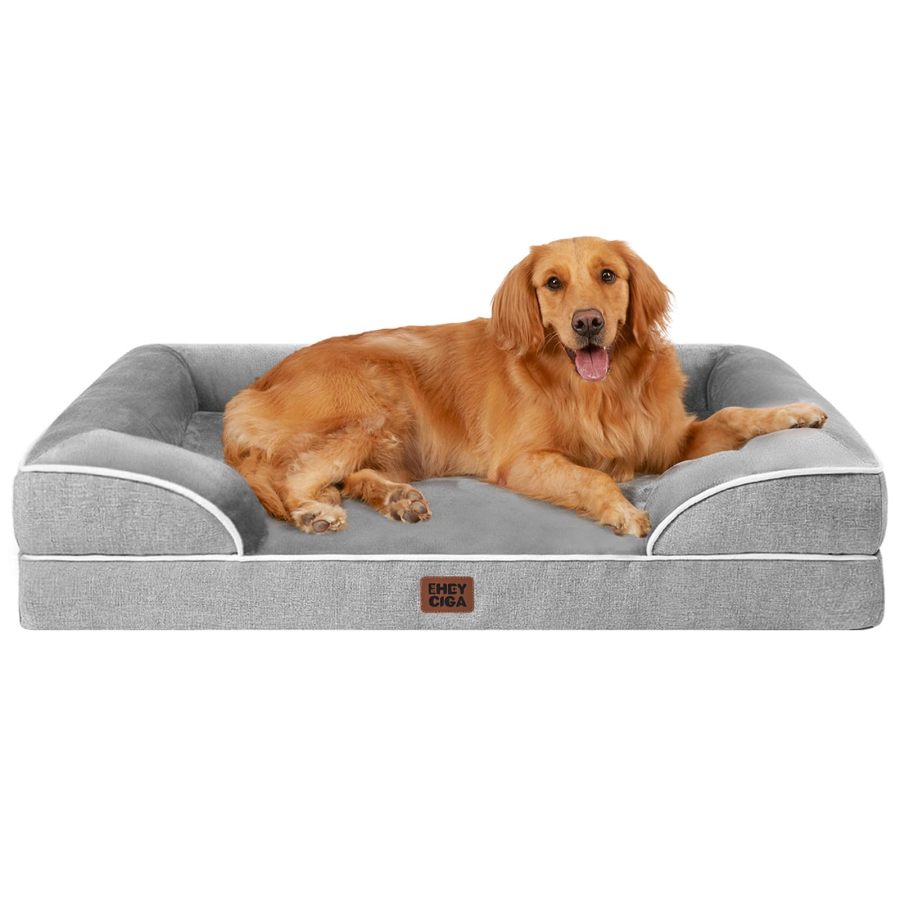
Dog beds are specialized resting and sleeping products designed for canine pets, offering a diverse range aimed at providing comfortable, safe, and supportive resting spaces. Main types include elevated beds for coolness and breathability, donut cuddler beds that create a sense of security, and orthopedic mattresses providing support for joint issues. Products typically emphasize material softness, ease of cleaning, non-slip properties, and additional health considerations for pets. The following table illustrates the key characteristics of consumer behavior in this category.
| Dimension | Segment | Description |
|---|---|---|
| Need Driver Type | Planned Purchase/Emotionally-driven | Users typically purchase dog beds through planned consideration for their pets, making decisions that balance rational thought with emotional investment, focusing on pet comfort and health. |
| Purchase Frequency | Medium/Low Frequency | As durable goods, dog beds are not purchased frequently; replacement mainly occurs due to wear and tear, pet growth, moving, or specific health needs. |
| Decision Complexity | Medium | Consumers compare materials, size, features (e.g., orthopedic support, waterproofing), cleaning methods, and price, but do not engage in deep technical research. |
| Price Sensitivity | Medium | Users show a high willingness to invest in their pets and are willing to pay a premium for high-quality, pain-point-solving products, yet they still value cost-effectiveness and are not blindly high-spending. |
| Emotional Dependency | High | Pet beds are not just functional items but also represent care for the pet. The comfort level and health benefits of the product directly impact the owner's emotional satisfaction. |
II. User Personas & Usage Scenarios
2.1 Meticulous Pet Parents
🎯 View pets as family members, highly concerned about their physical and mental well-being, willing to invest in high-quality, highly functional products to enhance their pet's quality of life.
| Typical Usage Scenarios | Core Pain Points | Primary Purchase Drivers |
|---|---|---|
|
|
|
2.2 Pragmatic Busy Families
🎯 Focus on product value-for-money, durability, and maintenance convenience. Desire dog beds that integrate easily into the home environment and withstand daily wear and tear.
| Typical Usage Scenarios | Core Pain Points | Primary Purchase Drivers |
|---|---|---|
|
|
|
III. User Needs Hierarchy (KANO Model)
3.1 Basic Needs (Must-Haves)
- Size Fit: The bed size must fit the pet's body type and weight, providing sufficient space for the pet to stretch out or curl up comfortably.
- Basic Comfort: Soft materials providing a more comfortable resting experience than hard floors, avoiding direct contact with cold surfaces.
- Easy to Clean: The mattress is easy for daily maintenance, machine washable or hand washable, facilitating hygiene and reducing odor and bacteria growth.
- Safe, Non-Toxic Materials: Product materials are harmless to pets, do not cause allergies, have no pungent chemical odors, ensuring pet health.
3.2 Performance Needs (Linear Satisfiers)
- Effective Support & Resilience: Foam or filling provides good support, resists sagging with long-term use, alleviates joint pressure, crucial especially for senior dogs.
- Non-Slip Bottom: The mattress bottom has a non-slip design to prevent movement on smooth surfaces, ensuring pet safety and bed stability.
- Durable & Wear-Resistant: Sturdy materials, strong stitching, resistant to daily pet scratching or light chewing, extending lifespan and reducing replacement frequency.
- Waterproof/Moisture-Resistant Function: Built-in waterproof layer or waterproof fabric effectively blocks liquid penetration, protecting the interior and preventing odors.
- Shape & Loft Retention: Maintains original shape and fluffiness after washing, without clumping or deforming, ensuring long-term comfort.
3.3 Excitement Needs (Delighters)
- Dual-Sided, All-Season Use: One side cool and breathable, the other warm and soft, can be flipped according to the season, offering ultimate flexibility and better value, reducing storage needs.
- Multi-Functional Scenario Adaptation: Besides being a bed, easily converts into a travel mat, crate pad, car seat cover, etc., multi-purpose, enhancing convenience and value.
- Special Certifications & Eco-Friendly Materials: Safety certifications like OEKO-TEX, CertiPUR-US, or use of recycled eco-friendly materials, enhancing peace of mind and brand responsibility perception.
- Design Aesthetics & Home Integration: Colors, styles, materials harmonize with home decor, enhancing overall aesthetics, satisfying the owner's taste for home style.
3.4 Unmet Needs & Opportunities
- Actual Size vs. Advertised: Users complain the actual mattress size is smaller than expected, or it fails to fully expand to the advertised thickness after vacuum packaging, preventing the pet from stretching comfortably or providing insufficient support.
- Filling Clumps/Deforms After Washing: Many machine-washable mattresses see internal cotton or foam clump together or sag after washing, losing loft and support, becoming 'single-use' washable.
- Strong/Slow-Dissipating Mattress Odor: Especially vacuum-packed foam mattresses often have a strong chemical or factory odor upon unboxing, requiring prolonged airing before use, negatively impacting initial experience.
- Unsatisfactory Orthopedic Support Effect: Some orthopedic mattresses have insufficient egg crate foam or memory foam density/thickness, providing poor support for heavier dogs or those with severe joint issues, prone to 'bottoming out'.
- Zippers/Details Easily Damaged: Zippers on some removable covers are poor quality, prone to jamming or breaking, hindering removal and cleaning convenience, shortening product life.
IV. User Decision Drivers
4.1 Key Decision Factors
- Comfort & Support: Whether the mattress is soft enough while providing good support for the pet's body, especially joints and spine, directly impacts pet health and sleep quality.
- Size Fit: Whether the mattress size suits the pet's size and sleeping habits (curling or stretching), and fits into a crate or specific space, is a hard requirement before purchase.
- Ease of Cleaning: Whether it's easy to remove, machine wash, effectively remove pet hair, stains, and odors, maintaining hygiene, directly affecting the owner's maintenance willingness and home environment.
- Product Safety: Whether materials are non-toxic and harmless to pets, and the design avoids entanglement, trapping, or ingestion hazards, is the owner's most basic trust requirement.
4.2 Secondary Decision Factors
- Durability: Whether materials and craftsmanship are sturdy, resistant to daily pet scratching and chewing, long-lasting, determining the product's value and long-term worth.
- Waterproof/Stain-Resistant Function: Whether it has a waterproof liner or stain-resistant surface, facilitating accident cleanup, extending lifespan, reducing cleaning burden.
- Non-Slip Design: Whether the bottom has non-slip dots, ensuring the mattress stays firmly in place on smooth floors, enhancing pet safety and home tidiness.
- Seasonal Applicability: Whether it has cooling/breathable or warming features, or dual-sided design to adapt to different seasons, increasing product versatility and value.
- Design Aesthetics & Home Integration: Whether colors and styles match personal aesthetics, harmonize with the home environment, reflecting the owner's taste.
V. Selling Points & Competitive Landscape
5.1 Selling Point Analysis
5.1.1 Standard Features (Points of Parity)
- Soft, Comfortable Materials: Widespread use of faux fur, plush, polyester, etc., emphasizing soft, skin-friendly touch for a comfortable resting experience.
- Easy to Clean: Most products advertise as machine washable, some with removable covers, facilitating daily cleaning and maintenance.
- Non-Slip Bottom: Bottoms often use non-slip dots or Oxford cloth, increasing stability on smooth surfaces, preventing sliding during pet activity.
- Multiple Size Options: Offering S/M/L/XL sizes with weight recommendations to suit different dog sizes, enhancing applicability.
- Orthopedic Support/Joint Pain Relief: Widespread use of egg crate foam, memory foam, or extra padding, aiming to provide even support and relieve joint pressure, especially for senior dogs.
5.1.2 Key Differentiators
- Waterproof Liner/Fabric: Some products feature built-in TPU waterproof layers or waterproof fabrics, effectively preventing liquid penetration, easing accident cleanup, keeping the interior dry.
- Elevated/Off-Ground Design: Targeting cooling and moisture resistance, providing metal frame-supported raised beds, increasing air circulation, suitable especially for outdoors and summer.
- Bolster/Donut Shape: Donut or L-shaped bolster designs provide head and neck support, creating a sense of security, satisfying the curling instinct.
- Dual-Sided/All-Season Use: One side plush for warmth, the other breathable canvas or Oxford cloth, adapting to different seasons, enhancing product value.
- Specific Safety Certifications: Certifications like OEKO-TEX Standard 100 or CertiPUR-US, emphasizing material safety and non-toxicity, boosting consumer trust.
5.1.3 Unique Selling Propositions (USPs)
- Cooling Gel Memory Foam: A few orthopedic mattresses claim infusion with cooling gel, aiming to provide a cooler sleep experience (ASIN: B0D6DSQ78J), addressing summer heat concerns.
- Upgraded Steel Pipe/Enhanced Load Capacity: Elevated beds with upgraded steel pipe diameter (e.g., 1 inch), emphasizing load capacity up to 300 lbs, improving durability and suitability for large dogs (ASIN: B0DB8BC3BN).
- Two-Bed Combination Design: Some products feature Velcro, allowing two mattresses to combine into one extra-large bed (ASIN: B0CYGWBJPK), offering size flexibility.
- Includes Pet Toy: Some mattresses include a durable chew bone toy, adding product value and appeal (ASIN: B0D6DSQ78J), enhancing the purchase experience.
5.2 Competitive Landscape
5.2.1 Market Maturity
The dog bed category is in a highly mature phase. The market offers a rich variety of products, but features and designs are becoming homogenized, with most sellers competing around core selling points like comfort, easy cleaning, and orthopedic support. Consumers have high awareness of these basic functions, but widespread concerns exist regarding actual performance (e.g., real orthopedic support effectiveness, shape retention after washing, odor issues), indicating that while the market is mature, there is still significant room for improvement in user experience details and trust building.
5.2.2 Innovation Trends
Current innovation trends in the category primarily focus on material upgrades (e.g., cooling gel memory foam, more durable waterproof fabrics), detailed feature optimization (e.g., combinable designs, reinforced elevated bed structures, multi-season dual-sided use), and an emphasis on health and safety certifications. While some products attempt to introduce differentiating elements (like included toys), no disruptive innovation has emerged overall; most efforts revolve around micro-innovations and optimizations addressing existing pain points to boost user confidence during purchase decisions and improve actual user experience.
VI. Marketing Claims vs. Reality Check
The table below analyzes the gap between common marketing claims and actual user experiences in this category:
| Dimension | Marketing Claim | User Reality | Verdict |
|---|---|---|---|
| Orthopedic Support Effectiveness | High-density orthopedic foam provides excellent joint support, alleviating arthritis pain in senior dogs. | Users widely report that egg crate foam or memory foam thickness is insufficient (e.g., advertised 3-4 inches is thinner in reality), density is inadequate, providing poor actual support for large or heavy dogs, prone to 'bottoming out', failing to effectively relieve pain. | Typical marketing of the 'orthopedic' concept, but with corner-cutting on core materials (foam density, thickness), leading to failure in delivering the core value promise to specific users (senior dogs, large dogs), causing severe user perception gaps. |
| Shape Retention After Washing | Machine washable design, easy to clean, stays fluffy like new after washing. | Numerous user reports indicate that after machine washing, internal filling (PP cotton or shredded foam) clumps or shifts, causing the mattress to deform or sag, losing original comfort and support. | There is a material and structural conflict between 'easy cleaning' and 'shape retention after washing'. Using fillings prone to clumping to reduce costs, while overclaiming machine washability, turns this key selling point into a high-frequency reason for returns and user distrust. |
| Size & Thickness Perception | Large size design provides ample stretching space; 3-4 inch thickness for ultimate comfort. | Users frequently report actual size is smaller than expected, preventing pets from fully stretching; after vacuum compression, mattress thickness often fails to fully recover to advertised levels, appearing 'thin and flat'. | Sellers engage in ambiguous marketing regarding size and thickness, using visual illusions or ideal recovery states in promotions, leading to user dissatisfaction due to 'product not matching description' upon receipt. |
| Product Unboxing Odor | Eco-friendly safe materials, ready to use out of the box, odor-free. | Vacuum-compressed foam mattresses commonly have a strong chemical odor, requiring prolonged airing (24-48 hours or more) before use, and pets may avoid the bed due to the smell. | Vacuum compression packaging, as a logistics cost optimization, inherently involves odor release-a matter of physics. Sellers fail to adequately inform or provide effective solutions, severely compromising the initial user experience. |
Key Takeaway: The dog bed market commonly exhibits overly optimistic claims and parameter ambiguity regarding product performance (especially concerning 'orthopedic support', 'post-wash shape retention', and 'size/thickness'), leading to a significant gap between consumer expectations and actual experience.
VII. Supply-Demand Misalignment Analysis
The table below highlights mismatches between seller focus and buyer priorities:
| Dimension | Seller Behavior | User Focus | Verdict |
|---|---|---|---|
| Filling Shape Retention After Washing | Sellers generally emphasize 'machine washable', 'easy to clean', but few products detail how to ensure filling remains fluffy and non-clumping after multiple washes, or provide related technical guarantees. | Users are most worried about the bed becoming unusable after washing, complaining 'it turned into a lump after washing', 'completely flat', making the cleaning convenience a false promise. | Sellers treat 'machine washable' as a standard feature but fail to solve the core engineering problem behind it, turning this key selling point into a pain point that erodes user trust. |
| Actual Support Strength of Orthopedic Beds | Many products claim 'orthopedic support', 'relieves joint pain', but most only use basic egg crate foam or thin memory foam, lacking differentiated support solutions for dogs of different weights and ages. | User feedback like 'dog still ends up sleeping on the floor', 'too thin for my large dog' shows existing products fail to deliver on their high-end support promises. | Sellers commonly market the 'orthopedic' concept but fail to provide sufficient support strength in actual material selection and structural design, leading to a severe disconnect between concept and actual effect, failing to effectively address users' deep pain points regarding pet health. |
| Initial Product Odor Issue | Sellers rarely mention the odor issue associated with vacuum packaging in listings, or dismiss it as 'normal', failing to provide effective quick odor dissipation solutions or clear waiting time guidance. | Users complain 'chemical smell too strong, dog wouldn't go near', 'had to wait two days before using', resulting in a very poor initial experience damaging brand first impressions. | Sellers sacrifice user unboxing experience for logistics efficiency and adopt a collective 'silence' strategy towards this common problem, failing to proactively address or communicate effectively, leading to decreased user trust. |
Key Takeaway: A significant supply-demand misalignment exists in the dog bed market: sellers generally over-compete on homogenized selling points like 'surface comfort' and 'basic waterproofing', while collectively neglecting users' deep-seated needs for 'actual support effectiveness', 'deformation resistance after washing', and 'odor-free experience', which are core pain points affecting long-term user experience.
VIII. Strategic Opportunities & Recommendations
8.1 Multi-Layer Structure 'Wash-Proof' Pet Bed
8.1.1 Target Audience & Pain Points
⚡️ Pain Points Addressed: Filling clumps/deforms after washing, strong/slow-dissipating mattress odor.
8.1.2 Action Plan
Adopt a multi-layer filling structure, e.g., base stable foam + top layer of high-resiliency fiber fill (with compartmentalized stitching), ensuring filling doesn't shift or clump after washing. Use CertiPUR-US certified low-VOC materials to reduce odor. Consider offering replaceable independent inner pads for partial cleaning or replacement.
| Tech Complexity | Medium |
| Cost Impact | Medium Impact |
| Trade-off Warning | Using more stable fillings and compartmentalized stitching might slightly increase product weight or manufacturing cost, but impact on portability is minimal. |
| Price Band | Only viable above $24.99 |
8.1.3 Marketing Strategy
Emphasize 'Wash Technology, Stays Fluffy Forever', demonstrate shape integrity before/after washing via comparison videos. Highlight 'Zero Odor Promise, Ready to Use', reinforce trust through CertiPUR-US certification and user unboxing experience videos.
8.2 Graded Support, Thickness-Adjustable Orthopedic Bed
8.2.1 Target Audience & Pain Points
⚡️ Pain Points Addressed: Unsatisfactory orthopedic support effect, actual size vs. advertised mismatch.
8.2.2 Action Plan
Offer at least 2-3 thickness or density combinations of memory foam/high-density foam inner pads (e.g., stackable layers), clearly labeling applicable dog weights and support levels. Provide a detailed 'Support Selection Guide' in the listing. Ensure precise fit between inner pad and cover.
| Tech Complexity | Medium |
| Cost Impact | High Impact |
| Trade-off Warning | Adding foam layers may make the product heavier/thicker, increasing logistics cost, and adjustable design adds structural complexity. |
| Price Band | Only viable above $49.99 |
8.2.3 Marketing Strategy
Emphasize 'Professional Orthopedic Customization, Tailoring Optimal Support for Your Pet', leverage veterinarian recommendations or pet health expert endorsements. Show scientific test data on joint pressure with different thicknesses to build professional authority.
8.3 Integrated Chew-Resistant Elevated Pet Bed
8.3.1 Target Audience & Pain Points
⚡️ Pain Points Addressed: Material prone to wear and tear, long-term durability concerns exist.
8.3.2 Action Plan
Upgrade mesh material to high-strength, tear-resistant Teslin or Oxford cloth, reinforce edges with multiple stitches. Consider using thicker aviation aluminum alloy or rust-proof treated steel for the frame to enhance overall stability. Optimize assembly parts for tool-free design or pre-assemble most structure to simplify user experience.
| Tech Complexity | Medium |
| Cost Impact | Medium Impact |
| Trade-off Warning | Using sturdier chew-resistant mesh might sacrifice some softness or breathability; reinforced metal frame increases weight and manufacturing cost. |
| Price Band | Only viable above $34.99 |
8.3.3 Marketing Strategy
Highlight 'Indestructible, Chew-Proof'; showcase videos of the product undergoing extreme tests (e.g., large dog chew test) to reinforce durability. Emphasize its 'All-Season, Outdoor Exclusive' scenario value.