Amazon US Market Analysis: Gardening Work Gloves Category
📊 Executive Summary
📈 Market Trends
Demand for portability/comfort and professional protection coexists, innovation focuses on experience enhancement. In the context of functional homogenization, the gardening glove market is highly competitive. While seeking basic protection, consumers have more nuanced demands for wearing comfort, breathability, and professional protection for specific scenarios (e.g., thorn resistance, long cuffs). Innovative designs like clawed gloves are attractive, but their usage limitations also highlight the market's expectation for full-scenario product applicability.
⚡ Major Pain Points
'False waterproofing,' poor sizing, and exaggerated durability claims are a trust crisis. Users widely report that seller claims of 'waterproof' are actually 'water-repellent,' leading to cold, wet hands. Sizing issues are prevalent, affecting comfort and operation. Additionally, some products' durability falls far short of claims, wearing out quickly and severely damaging consumer trust. Limited fine dexterity and a bulky feel are also common user pain points.
💡 Selection Opportunities
Deep dive into user experience pain points to achieve value premium. Core opportunities lie in developing truly waterproof and breathable high-performance gloves to solve wet hand woes; launching precision-sized and ergonomically designed puncture-resistant gloves balancing protection and flexibility; creating high value-for-money, long-lasting general-purpose gloves for everyday needs; and optimizing fun & safe children's gloves to cultivate the parent-child gardening market. By precisely targeting and solving core pain points, differentiated competitive advantages can be built.
I. Analysis Overview
1.1 Introduction & Report Scope
This report analyzes the 'Gloves' category (Gardening Work Gloves) in the Amazon US market, focusing on target user personas, core needs, decision factors, market communication, and potential opportunities.
1.2 Category Snapshot
Gardening work gloves are equipment designed specifically to provide hand protection during various tasks in the garden, yard, or outdoors. They aim to prevent hand injuries, keep hands clean, and enhance operational comfort and grip. The category ranges from lightweight, breathable cotton gloves and rubber-coated gloves to puncture-resistant leather gauntlets and innovative clawed digging gloves, catering to the needs of different gardening tasks. The following table illustrates the key characteristics of consumer behavior in this category.
| Dimension | Segment | Description |
|---|---|---|
| Need Driver Type | Planned Purchase / Emergency-driven Purchase | User purchases typically stem from the anticipated gardening season, replacement of damaged gloves, or the need for specific protection for sudden heavy-duty tasks. |
| Purchase Frequency | Medium / Low Frequency | As durable goods, they are typically purchased annually or every few years, with frequency depending on usage intensity, wear rate, and seasonal gardening needs. |
| Decision Complexity | Medium | Consumers will compare protection level, material comfort, grip, specific features, and price, but will not conduct in-depth research. |
| Price Sensitivity | Medium | Users value durability and functionality, willing to pay a reasonable premium for reliable products, but generally have high expectations for value for money. |
| Emotional Dependency | Low to Medium | Primarily functional, solving practical pain points in labor, while comfort and avoiding discomfort (e.g., pricks, abrasions) also provide emotional value such as a sense of security and enjoyment. |
II. User Personas & Usage Scenarios
2.1 Casual Hobby Gardener
🎯 Enjoys tending to flowers, growing vegetables, and engaging in light to moderate gardening activities in their own garden. Focuses on comfort, practicality, and the aesthetic appeal of the gloves.
| Typical Usage Scenarios | Core Pain Points | Primary Purchase Drivers |
|---|---|---|
|
|
|
2.2 Professional / Heavy-Duty / Rose Gardener
🎯 Has a large garden or specializes in roses/thorny plants. Requires gloves with robust puncture resistance, abrasion resistance, and gauntlet protection.
| Typical Usage Scenarios | Core Pain Points | Primary Purchase Drivers |
|---|---|---|
|
|
|
2.3 Parent-Child Gardening Participant / Child
🎯 Parents want to cultivate children's interest in gardening and need safe, comfortable, and fun gardening gloves for them. Children enjoy imitating adults and participating in activities.
| Typical Usage Scenarios | Core Pain Points | Primary Purchase Drivers |
|---|---|---|
|
|
|
III. User Needs Hierarchy (KANO Model)
3.1 Basic Needs (Must-Haves)
- Basic Hand Isolation: Gloves must effectively isolate soil, dust, and plant sap to keep hands clean.
- Basic Scratch Protection: Provides fundamental protection against scrapes from minor twigs or rough surfaces damaging the skin.
- Proper Fit: Glove size should match the user's hand shape, neither too large nor too small, to ensure a basic wearing experience.
3.2 Performance Needs (Linear Satisfiers)
- Puncture Resistance: For handling thorny plants or sharp debris, gloves need reliable puncture-resistant performance.
- Abrasion Resistance & Durability: Material and construction should withstand high-intensity friction and prolonged use, not prone to damage, reducing replacement frequency.
- Good Grip: Palm should have a slip-resistant design to ensure a firm grip on tools and plants in both wet and dry conditions.
- Breathability & Comfort: While protecting hands, the glove interior should remain dry and not stuffy, with soft, skin-friendly material suitable for long-term wear.
- Wrist/Forearm Protection: Long cuffs or wrist guards effectively prevent soil ingress and forearm scratches, especially useful for pruning thorny plants.
3.3 Excitement Needs (Delighters)
- High Dexterity: While ensuring protection, the glove provides near-bare-hand flexibility, facilitating delicate tasks like seeding or tying.
- Waterproof/Water-Resistant Feature: When working in damp or rainy environments, the glove effectively repels water, keeping hands dry and reducing discomfort.
- Multi-functional Integrated Design: Features like integrated digging claws allow direct hand use for digging and loosening soil, enhancing gardening efficiency and fun.
- Stylish/Personalized Aesthetics: Unique colors and pattern designs satisfy users' pursuit of beauty and personalization, elevating the gardening experience.
3.4 Unmet Needs & Opportunities
-
Incomplete 'Waterproofing' Leads to Dampness: Many gloves claim to be waterproof or water-resistant, but user feedback indicates hands still get wet in damp soil or after rain, leading to a significant gap between expectation and reality.
User Reviews (VOC) Water resistance performance varies // Lack of waterproof function
-
Poor Fit & Hand Shape Compatibility: Widespread issues with sizes being too large or small, and finger length mismatch, affecting comfort and dexterity, especially for children and users with non-average hand sizes.
User Reviews (VOC) Poor size fit // Limited size options, restricted applicability // Size runs large, limited adaptability // Sizes generally run small
-
Durability Does Not Match Claims: Some gloves appear sturdy but quickly wear, tear, or have seams unravel during actual use, with a lifespan far below user expectations.
User Reviews (VOC) Durability needs improvement // Poor durability // Durability varies by product // Durability performance is subpar
-
Limited Fine Dexterity & Bulky Feel: Some gloves, in pursuit of protection, are overly thick and stiff, hindering fine operations (like seeding, tying) and causing hand fatigue during prolonged wear.
User Reviews (VOC) Fine operation limited // Flexibility debated
IV. User Decision Drivers
4.1 Key Decision Factors
- Hand Safety Protection Level: Whether the gloves effectively prevent punctures, scratches, and cuts is the most critical consideration for users, especially for heavy-duty or thorny plant tasks.
- Product Material & Durability: The glove's material (e.g., leather, rubber, cotton) and construction determine its abrasion resistance, tear resistance, and lifespan, directly impacting long-term value.
- Wearing Comfort: Whether the gloves are soft, breathable, non-stuffy, and have a skin-friendly lining determines the experience during long wear and whether users will resist using them.
- Grip & Slip Resistance: Whether the palm design provides a secure grip, preventing tools or items from slipping, directly impacts work efficiency and operational safety.
4.2 Secondary Decision Factors
- Waterproof/Water-Resistant Effect: In damp or muddy environments, whether the gloves keep hands dry is an important factor in enhancing work experience and avoiding discomfort.
- Hand Dexterity: Whether the gloves are bulky and allow for fine operations affects gardening efficiency and enjoyment, especially for delicate gardening tasks.
- Wrist/Forearm Coverage: Long cuff designs provide additional protection, particularly important for users pruning thorny plants or digging deeply, preventing scratches and soil ingress.
- Size Fit & Conformity: Accurate size selection and a good fit enhance comfort, reduce internal slippage, and improve operational precision.
- Design Appearance & Color: For some casual gardeners or in gifting scenarios, the glove's aesthetics, personalized colors, and patterns are also a consideration.
- Value for Money: Given core functionality and quality are met, whether the product price is reasonable and if multi-packs are offered influences the purchase decision.
V. Selling Points & Competitive Landscape
5.1 Selling Point Analysis
5.1.1 Standard Features (Points of Parity)
- Durable Material: Commonly claim the use of cotton, leather (cowhide, goat, pigskin), rubber, or synthetic fibers to emphasize product sturdiness and durability.
- Good Grip: Highlight slip resistance in dry/wet conditions through rubber coating, silicone dots, or leather texture to ensure tool stability.
- Breathable & Comfortable: Often emphasize the use of cotton, bamboo fiber, or elastic fabrics to reduce hand sweating, enhance long-wear comfort, and prevent stuffiness.
- Multi-Purpose Use: Market gloves not just for gardening but also for construction, moving, repairs, and various outdoor or heavy-duty work to increase product value.
- Stain-Resistant/Easy to Clean: Emphasize that gloves effectively keep hands clean, and some products claim to be easy to wash and maintain, lowering long-term usage costs.
5.1.2 Key Differentiators
- Puncture/Thorn Resistance: Specific products (especially leather gloves) emphasize effective resistance against rose thorns, shrubs, or sharp objects, providing professional protection.
- Long Cuff/Forearm Protection: Extended cuff designs provide additional protection for wrists and forearms, suitable for pruning thorny plants or reaching into bushes.
- Clawed Digging Function: Some innovative products integrate ABS plastic claws on fingertips, allowing users to dig, loosen soil, or plant seeds directly by hand, improving efficiency.
- Waterproof/Water-Resistant Performance: Some products claim to be waterproof or highly water-resistant to handle damp gardening environments and keep hands dry.
- Gender/Age-Specific Design: Offer women's, men's, or children's specific models, emphasizing tailored fit, color, or size suitability for segmented groups.
- Multi-Pack Bundles: Offer 2-pair, 3-pair, or even 6-pair, 10-pair bundles, emphasizing value for money and convenient replacement, suitable for high-frequency use.
5.1.3 Unique Selling Propositions (USPs)
- Special Material Treatment: E.g., Wells Lamont's HydraHyde leather, claimed to offer superior waterproofing and abrasion resistance; or bamboo fiber's natural cooling and sustainability.
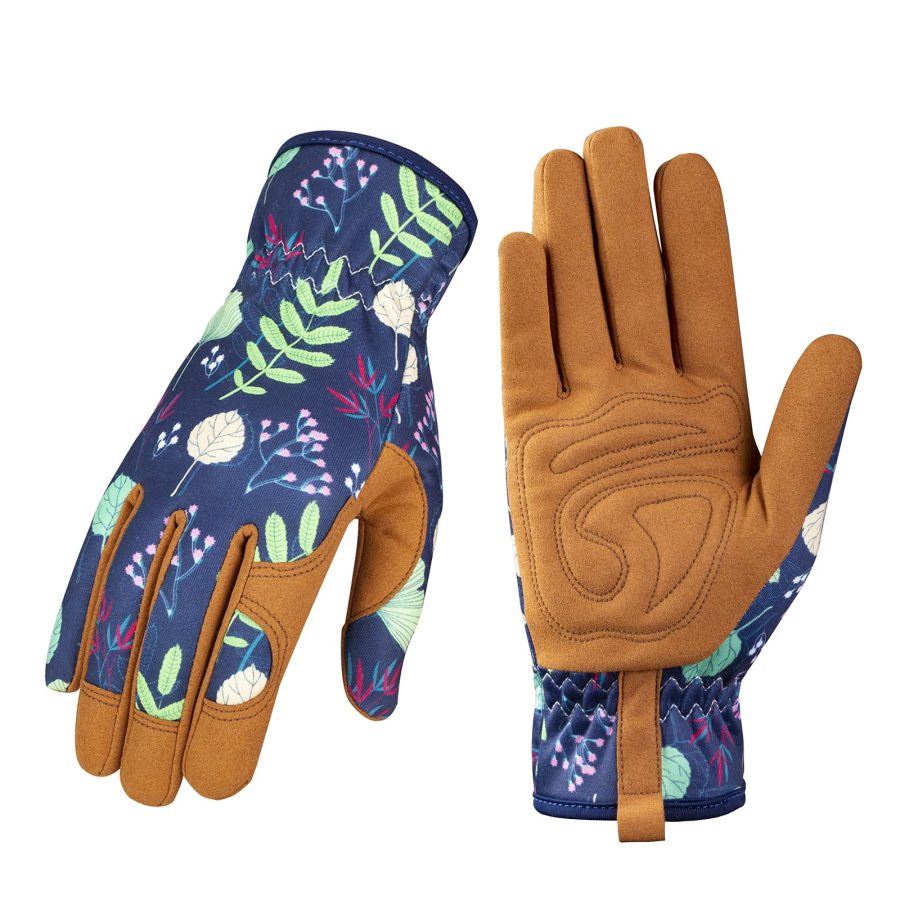
- Fashionable Design Elements: Some women's gloves incorporate floral patterns or retro-fashion elements, enhancing aesthetics and turning gardening tools into personalized accessories.
- Highly Flexible Ergonomics: Claim to provide ultimate flexibility and tactile feel, suitable for tasks requiring fine dexterity without sacrificing protection.
5.2 Competitive Landscape
5.2.1 Market Maturity
The gardening work gloves category is in a medium-maturity stage. Basic hand protection, dirt prevention, grip, and durability are market-wide expectations. There is a high degree of product homogenization, especially in the cotton and rubber-coated glove segments, leading to intense price competition. Market competition primarily focuses on price, material combinations, and some innovative features (like clawed designs) and specific protection levels.
5.2.2 Innovation Trends
Current innovation trends in the category are mainly reflected in material science advancements, such as developing more abrasion-resistant, comfortable leather treatments or composite fabrics, and introducing sustainable materials (e.g., bamboo fiber). Additionally, function integration targeting specific pain points (e.g., digging claws) and more refined designs for different user groups (e.g., women, children) are increasing. Future development directions may include stronger ergonomic designs to enhance flexibility and more reliable waterproofing technology to address core user pain points during prolonged use.
VI. Marketing Claims vs. Reality Check
The table below analyzes the gap between common marketing claims and actual user experiences in this category:
| Dimension | Marketing Claim | User Reality | Verdict |
|---|---|---|---|
| Waterproof Performance | Waterproof/water-resistant design, keeps hands dry in damp environments. | Many products claim to be waterproof or water-resistant, but user feedback indicates hands still get soaked in damp soil or after prolonged water contact; they are not truly waterproof. | Sellers exaggerate 'water-repellent' or 'limited water resistance' as 'waterproof,' failing to adequately inform users of material limitations in real-world scenarios, leading to unmet core expectations for 'dryness.' |
| Size & Fit | One-size-fits-all / most, elastic fit, comfortable and flexible. | Numerous user complaints about sizes being too large or small, and finger length mismatch, especially for children or adults with varying hand shapes, leading to poor fit and operational inconvenience. | Claims of 'one-size-fits-all' or 'elastic fit' disregard the objective reality of diverse human hand shapes, resulting in widespread failure to meet the most basic expectation of 'comfortable fit.' |
| Durability & Lifespan | Durable material, heavy-duty protection, long-lasting. | Some lower-priced or thinner-material gloves claim durability, but user feedback indicates quick wear, tearing, or coating peeling under light or moderate use, failing to withstand routine gardening intensity. | Sellers over-market the durability of low-cost materials, failing to match the product's actual physical lifespan, creating widespread user distrust in product quality. |
Key Takeaway: The market exhibits a general trend of parameter inflation and scenario-based experience exaggeration, particularly regarding 'waterproof' and 'one-size-fits-all' claims, creating a significant gap with actual user experience.
VII. Supply-Demand Misalignment Analysis
The table below highlights mismatches between seller focus and buyer priorities:
| Dimension | Seller Behavior | User Focus | Verdict |
|---|---|---|---|
| Genuine Waterproofing Effect | Commonly emphasize 'Water Resistant' or 'Waterproof' in listings, but few products provide clear evidence of keeping hands dry in damp soil or after prolonged water contact. | Users strongly desire gloves that are truly waterproof, especially when working after rain or in damp soil, to avoid cold, wet hands and discomfort. Current 'waterproof' claims often refer to water-repellency, falling short of expectations. | Sellers remain at the level of surface marketing vocabulary, failing to invest in cost and technology to address users' genuine need to solve the core pain point of 'wet hands,' leading to a supply-demand mismatch and compromised user experience. |
| Precise Size Fit & Refinement | Some products claim 'Fits All' or offer limited S/M/L sizes without providing detailed measurement guides, or size descriptions do not match actual experience. | Users complain about gloves being too large, too small, or having mismatched finger length, affecting dexterity and even requiring returns/exchanges, reflecting a high demand for precise sizing. | Sellers fail to adequately consider the diversity of user hand shapes in size design, underestimating the critical impact of fit on glove functionality and comfort, leading to negative experiences for many users due to sizing issues. |
| Applicability of Clawed Gloves | Some products heavily promote the 'clawed' function, emphasizing its convenience for digging and loosening soil, but inadequately explain its limitations for fine operations. | While users appreciate the digging function, they also find the claws inconvenient for fine planting, weeding, or moving plants, potentially damaging plants or themselves, and wish for easily removable or more flexible designs. | Sellers over-emphasize a specific innovative feature while neglecting its limitations and potential negative impacts in other common gardening scenarios, creating a conflict for users between multi-functionality and practicality. |
Key Takeaway: Sellers engage in homogenized competition on basic protective functions but fall short in deeply solving users' high-frequency pain points (like genuine waterproofing, precise sizing, long-term durability), while over-supplying low-value features.
VIII. Strategic Opportunities & Recommendations
8.1 Truly Waterproof & Breathable High-Performance Gardening Gloves
8.1.1 Target Audience & Pain Points
⚡️ Pain Points Addressed: Incomplete 'waterproofing' leads to dampness, gloves not breathable, feel hot.
8.1.2 Action Plan
Adopt professional outdoor sports-grade waterproof-breathable membranes (like TPU or Gore-Tex type technology) and fully taped seams to ensure glove interior remains dry during prolonged contact with damp soil or light rain. Optimize back-of-hand material with highly breathable fabric to balance waterproofing and breathability. Consider adding quick-dry lining.
| Tech Complexity | Medium |
| Cost Impact | Medium Impact |
| Trade-off Warning | Using professional waterproof-breathable membranes may slightly increase glove thickness or reduce ultimate stretch, but the improvement in hand dryness experience is significant. |
| Price Band | Only viable above $19.99 |
8.1.3 Marketing Strategy
Emphasize 'Say Goodbye to Wet Hands, Stay Dry & Breathable'; provide test videos in various damp environments showcasing real waterproof performance; highlight high-tech materials and professional craftsmanship, positioning in the premium market.
8.2 Precision-Sized & Ergonomic Puncture-Resistant Gloves
8.2.1 Target Audience & Pain Points
⚡️ Pain Points Addressed: Poor size & hand shape compatibility, gloves bulky affecting dexterity, extreme protection insufficient.
8.2.2 Action Plan
Based on extensive hand size data, offer more precise size gradations (e.g., XS-XXL) and optimize glove patterns for better finger length and palm circumference fit. Use multi-panel construction and pre-curved design to improve hand dexterity. Reinforce high-risk puncture areas (palms, fingertips) with multi-layer high-strength leather or materials like Kevlar.
| Tech Complexity | Medium |
| Cost Impact | High Impact |
| Trade-off Warning | More precise sizing and multi-panel construction increase production complexity and cost but significantly enhance user experience and word-of-mouth. |
| Price Band | Only viable above $24.99 |
8.2.3 Marketing Strategy
Highlight 'Tailored, Solid Protection: Roses are Beautiful, Hands are Safe'; provide detailed measurement guides and size selectors; showcase cross-section diagrams of multi-layer puncture-resistant materials to reinforce professional protection and ergonomic design.
8.3 High Value-for-Money, Long-Lasting General-Purpose Gardening Gloves
8.3.1 Target Audience & Pain Points
⚡️ Pain Points Addressed: Durability does not match claims, medium price sensitivity.
8.3.2 Action Plan
Use denser, higher abrasion-resistant nitrile or latex coatings on cotton-blend gloves, and reinforce wear-prone areas like fingertips and palm heels. Optimize stitching with double-needle seams. Consider offering different colors/designs within multi-packs to increase choice appeal.
| Tech Complexity | Low |
| Cost Impact | Medium Impact |
| Trade-off Warning | Improving durability may slightly increase glove thickness or hardness, requiring a balance between cost and comfort. |
| Price Band | Only viable above $10.99 (multi-pack) |
8.3.3 Marketing Strategy
Emphasize 'Durable for a Season, Not Just One Use'; highlight third-party lab abrasion test data; promote high value for money, positioning as the 'Essential for Home Gardening, the Durable Choice.'
8.4 Fun & Safe Children's Gardening Glove Set
8.4.1 Target Audience & Pain Points
⚡️ Pain Points Addressed: Glove size doesn't fit (children), material rough/uncomfortable, design lacks appeal.
8.4.2 Action Plan
Design a series of brightly colored, cute-patterned (e.g., animals, flowers) gloves specifically for children. Choose soft, skin-friendly, highly breathable materials like cotton or bamboo fiber, with child-friendly slip-resistant rubber dots on the palm. Provide clear age group or hand size guidelines. Consider selling as a set containing 2-3 pairs of different designs/functionalities, possibly with simple gardening tools included.
| Tech Complexity | Low |
| Cost Impact | Low Impact |
| Trade-off Warning | No significant physical side effects; mainly optimization of design and material selection, balancing fun and safety. |
| Price Band | Only viable above $12.99 |
8.4.3 Marketing Strategy
Highlight 'Small Hands Safe, Endless Fun! The First Gloves to Make Kids Love Gardening'; showcase video of children happily playing while wearing gloves; emphasize material softness, safety, and parent-child interaction value.