Amazon US Market Analysis: Ski Helmets Category
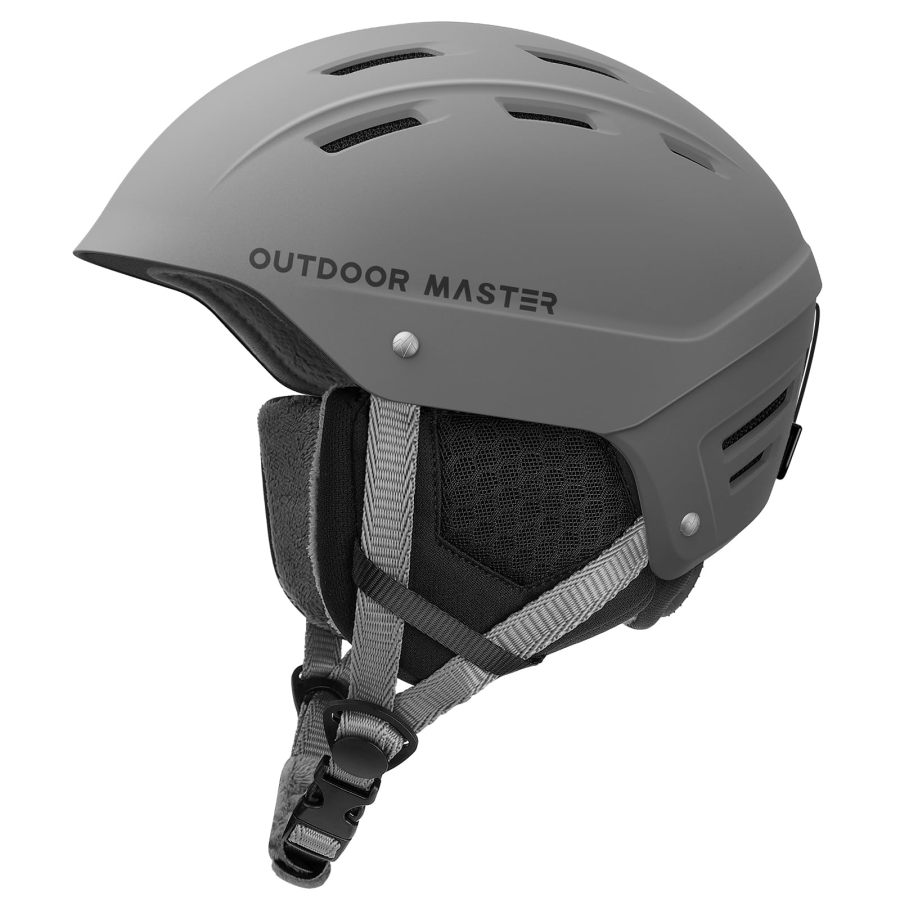
📊 Executive Summary
📈 Market Trends
Safety upgrades and personalized needs develop in parallel; integration is the direction. The ski helmet market is undergoing the popularization of advanced safety technologies like MIPS, with consumers placing increasing importance on head protection. Simultaneously, the younger generation has stronger demands for product appearance personalization, lightweight design, and seamless integration with goggles, pushing brands to seek balance between functionality and aesthetics. Integrated visor helmets and designs for specific head shapes indicate the market is moving towards more refined and user-friendly development.
⚡ Major Pain Points
Goggle fit and ear comfort are major weaknesses; surface durability is questioned. Current market pain points center on poor helmet-goggle compatibility (gaps, nose pressure), ear discomfort, and inconvenient audio integration. Additionally, some helmet surfaces lack sufficient scratch resistance, wearing easily and affecting long-term product value. The challenge of online size selection is also widespread, leading to returns and dissatisfaction.
💡 Selection Opportunities
Deepen focus on user experience details to build differentiation barriers. The core opportunity lies in launching a 'Seamless Fit' goggle-compatible helmet to completely solve the goggle fit pain point. Simultaneously, develop a 'Comfort Audio' integrated helmet to enhance ear comfort and entertainment. For high-end products, invest in 'Enduring Finish' scratch-resistant technology to extend product lifespan. Furthermore, implement a 'Tailored Fit' smart size recommendation system to improve the online purchase experience and lower decision barriers.
I. Analysis Overview
1.1 Introduction & Report Scope
This report analyzes the 'Helmets' category (Ski Helmets) in the Amazon US market, focusing on target user personas, core needs, decision factors, market communication, and potential opportunities.
1.2 Category Snapshot
Ski helmets are head protection equipment specifically designed for winter sports such as skiing and snowboarding. Their core function is to provide impact protection while balancing warmth, comfort, breathability, and seamless compatibility with ski goggles, aiming to ensure user safety and enhance the overall experience on the slopes. Market offerings range from basic protection to advanced models featuring multi-directional impact protection systems like MIPS. The following table illustrates the key characteristics of consumer behavior in this category.
| Dimension | Segment | Description |
|---|---|---|
| Need Driver Type | Planned Purchase/Emergency-driven Purchase | Most consumers purchase deliberately before the ski season or their first ski trip to meet safety needs, while some make emergency purchases due to damaged gear or dissatisfaction with their current experience. |
| Purchase Frequency | Low-Frequency/Seasonal | Typically purchased every few years, mainly concentrated before the start of the winter sports season or during peak periods. As durable goods, the replacement cycle is relatively long. |
| Decision Complexity | Medium/Moderately Complex | Users need to weigh safety, comfort, functionality (e.g., ventilation, MIPS), compatibility, brand, and price, requiring a moderate level of investment in the decision-making process. |
| Price Sensitivity | Medium to High | Users show some sensitivity to price but are generally willing to pay more for critical safety features like MIPS and a comfortable experience. Value for money is an important consideration. |
| Emotional Dependency | Medium | Helmets provide a sense of safety and peace of mind. Their appearance, comfort, and brand recognition also significantly impact the user's skiing experience and emotional value. |
II. User Personas & Usage Scenarios
2.1 Practical Recreational Skier
🎯 These users are typically beginners or casual skiers who ski a few times a year. They focus on the basic safety functions and comfort of the helmet, are price-sensitive, and seek reliable protection within a reasonable budget.
| Typical Usage Scenarios | Core Pain Points | Primary Purchase Drivers |
|---|---|---|
|
|
|
2.2 Performance-Driven Advanced Enthusiast
🎯 These users ski frequently, pursue higher difficulty and speed, and have stringent requirements for helmet protection, comfort, ventilation, and compatibility with goggles. They are willing to pay for innovative technologies like MIPS and premium experiences.
| Typical Usage Scenarios | Core Pain Points | Primary Purchase Drivers |
|---|---|---|
|
|
|
2.3 Fashion-Conscious Skier
🎯 These users care about helmet functionality and safety but also place high importance on fashion sense and personal expression. They want the helmet to perfectly complement their overall ski outfit and showcase unique style on the slopes.
| Typical Usage Scenarios | Core Pain Points | Primary Purchase Drivers |
|---|---|---|
|
|
|
III. User Needs Hierarchy (KANO Model)
3.1 Basic Needs (Must-Haves)
- Basic Safety Certification: Helmets must meet international safety standards like ASTM F2040 and CE EN 1077, providing fundamental head impact protection.
- Structural Durability: Constructed with a sturdy outer shell (e.g., ABS or PC) and shock-absorbing inner liner (EPS foam) to withstand daily use and general impacts.
- Size Adjustability: Features a rear dial or internal strap for fine-tuning to fit different head circumferences, ensuring a secure, non-wobbling fit.
- Goggle Strap Keeper: A device at the helmet's rear securely holds the goggle strap in place, preventing it from slipping or getting lost during activity.
3.2 Performance Needs (Linear Satisfiers)
- MIPS Safety Technology: Provides a Multi-directional Impact Protection System, using a low-friction layer inside to reduce rotational forces on the brain, offering a higher level of safety assurance.
- Efficient Ventilation System: Design with adjustable or fixed vents to effectively expel heat and moisture from the head, preventing overheating and sweating, while also reducing goggle fogging.
- Lightweight Design: Utilizes lightweight materials and optimized structure to reduce neck strain during prolonged wear, enhancing movement agility and comfort.
- Seamless Goggle Compatibility: Perfectly fits with mainstream goggle brands/models, with no noticeable gap between helmet and goggles, no pressure on the bridge of the nose, providing an unobstructed field of view.
- Removable & Washable Liner & Ear Pads: Liner and ear pads can be easily removed for cleaning, maintaining internal hygiene, and allowing adjustment of warmth based on temperature needs.
- Audio System Compatibility: Ear pads feature pre-cut space or integrated interfaces for easy installation of Bluetooth headphones or communication devices, meeting music or call needs while skiing.
3.3 Excitement Needs (Delighters)
- Integrated Visor Design: Helmet comes with a built-in, flip-down visor, convenient for users who wear glasses (OTG), offering a more integrated, tech-savvy, and convenient appearance.
- Innovative Impact-Absorbing Materials: Materials like Koroyd, Dura-Matter, etc., claim to enhance safety while achieving ultra-lightweight design and superior breathability.
- One-Click Magnetic Buckle: Buckles like Fidlock magnetic buckles offer quick, one-handed operation, allowing easy fastening and release even with thick gloves on.
- Specific Head Shape Optimization: Designs like 'Asian Fit' are tailored for specific head shapes (e.g., rounder, wider), providing a more precise, comfortable fit with reduced pressure points.
- Unique Appearance & Colors: Special finishes like matte, gloss, gradient, metallic paint, or limited-edition collaborations meet users' needs for personalization and fashion expression.
3.4 Unmet Needs & Opportunities
-
Optimized Goggle Fit: Users commonly complain about gaps when pairing helmets with goggles, goggle pressure on the nose, or incompatibility with larger goggles, affecting comfort and field of view.
User Reviews (VOC) The brow of the helmet sits pretty low and my goggles wouldn't fit on my face with the helmet on- they were pushed down too low by the helmet. // Not goggle compatible. However I tried 6 different brands of goggles and they all do not sit well, constantly pushing on my nose.
-
Ear Comfort & Audio Integration Convenience: Some ear pad designs pinch the ears or lack dedicated space for headphones, forcing users to modify the helmet or forgo using audio devices.
User Reviews (VOC) Hard ear covers with no earphones pocket, makes pairing up headphones nearly impossible. // The ear pads are impossible to remove.
-
Insufficient Surface Scratch Resistance: Users report that helmet surfaces scratch or wear easily, affecting the long-term appearance and perceived durability of the product.
User Reviews (VOC) Seems to be made of putty... It had no impacts at all but started warping pretty much straight away and over the week developed bumps and ripples in lots of areas. // Customers report issues with the helmet's scratch resistance, noting that it scratches easily and arrives cracked.
-
More Precise Size Selection Guidance: Users struggle to judge size accurately when buying online, resulting in helmets that are too tight or too loose, impacting comfort and safety.
User Reviews (VOC) My head size happens to be right in the middle of a medium and a large. Large too big, medium too small so I went with a large. // I measured my head and it was a little bit smaller than 58 cm, which should fit into the range of a medium; but it was just too tight on my forehead.
IV. User Decision Drivers
4.1 Key Decision Factors
- Safety & Protection Level: Whether the helmet passes authoritative safety certifications (ASTM/CE EN) and features multi-directional impact protection technologies like MIPS is the core factor users consider for the 'buy or not buy' decision.
- Comfort & Fit: The overall fit of the helmet, softness of the liner, comfort of the ear pads, and whether pressure points develop during prolonged wear directly impact user experience and purchase decision.
- Price Reasonableness: The match between product features, brand reputation, and price, especially for budget-conscious consumers, where value for money is a key purchase driver.
4.2 Secondary Decision Factors
- Ventilation & Anti-Fogging Effect: The helmet's ability to effectively expel moisture from the head, keeping it dry, and preventing goggle fogging, ensuring clear vision and comfortable body temperature.
- Goggle Compatibility: How tightly the helmet pairs with goggles, ensuring no gaps, no pressure on the nose, and no obstruction of vision, which is crucial for an integrated experience.
- Lightweight Design: The overall weight of the helmet, directly affecting neck strain during long sessions and agility during movement.
- Appearance Design & Brand: Whether the helmet's color and style align with personal aesthetics, and the brand's reputation and professionalism in the winter sports gear field.
- Durability & Quality: The sturdiness of the helmet's materials and construction, and its ability to withstand daily use and occasional minor impacts without compromising safety or aesthetics.
V. Selling Points & Competitive Landscape
5.1 Selling Point Analysis
5.1.1 Standard Features (Points of Parity)
- Safety Certification: Commonly emphasizes compliance with international safety standards like ASTM F2040, CE EN 1077, as a guarantee of basic protection.
- Comfortable Fit: Typically features size adjustment (e.g., dial adjustment), claiming to ensure a comfortable and secure fit.
- Ventilation & Heat Dissipation: Includes ventilation ports (fixed or adjustable) to help expel heat and moisture, and claims to prevent goggle fogging.
- Goggle Compatibility: Designed with goggle pairing in mind, commonly featuring a rear goggle strap keeper.
- Warmth: Equipped with a liner and ear pads, claiming to provide sufficient warmth in cold weather.
5.1.2 Key Differentiators
- MIPS Technology: Integrates a Multi-directional Impact Protection System to provide a higher level of rotational impact protection, serving as a key safety selling point.
- Adjustable Ventilation System: Allows users to manually adjust airflow based on weather and activity intensity, enhancing convenience in temperature control.
- Lightweight Design: Utilizes lighter materials and structures, emphasizing a barely-there feel during long wear to improve the sports experience.
- Integrated Helmet & Goggle Set: Bundles the helmet and goggles for sale, emphasizing purchase convenience and seamless compatibility between the two.
- Brand Ecosystem Compatibility: Achieves perfect compatibility with its own or specific brand's goggles, promising to eliminate the 'gaper gap' issue and enhance user experience.
5.1.3 Unique Selling Propositions (USPs)
- Asian Fit: Specifically optimized for Asian or wider, rounder head shapes, providing a more precise, pressure-free fit.
- Innovative Impact-Absorbing Materials: Materials like Zonal Koroyd or Dura-Matter, claiming to enhance safety while achieving exceptional lightweight design and breathability.
- Magnetic Buckle (Fidlock): Offers quick, one-handed operation, allowing easy fastening and release even with thick gloves on, enhancing usability.
- Multi-Season/Scenario Applicability: Some helmets emphasize their use beyond snow sports, such as for cycling or skateboarding, increasing product utility.
- High Visibility/Unique Finish: Offers unique glossy, gradient, or high-visibility colors to increase on-slope recognition and fashion appeal.
5.2 Competitive Landscape
5.2.1 Market Maturity
The ski helmet market is currently in a medium-to-high maturity stage. Leading brands like Giro, Smith, and Oakley hold advantages due to brand recognition, technological accumulation, and broad product lines. Market homogenization is relatively common, especially in basic functions and mid-to-low price ranges. Competition primarily revolves around the adoption of safety technologies like MIPS, lightweighting from material innovation, comfort details (e.g., ventilation, ear pad design), and compatibility with goggles. Simultaneously, integrated helmet-goggle sets and high-value-for-money products have become important market entry points.
5.2.2 Innovation Trends
MIPS multi-directional impact protection systems are gradually moving from high-end products into mid-range price points, becoming a new industry safety standard. Integrated visor helmets (Visor Helmet) are an innovation direction worth watching due to their friendliness to glasses wearers and integrated convenience. Furthermore, customized fits for different ethnic head shapes (e.g., 'Asian Fit') are emerging, reflecting the market's pursuit of more refined comfort experiences. Details enhancing user experience, such as adjustable ventilation, removable/washable liners and ear pads, and ear pad space reserved for audio systems, are also receiving increasing attention.
VI. Marketing Claims vs. Reality Check
The table below analyzes the gap between common marketing claims and actual user experiences in this category:
| Dimension | Marketing Claim | User Reality | Verdict |
|---|---|---|---|
| Goggle Compatibility & Comfort | Seamlessly compatible with all goggles, perfect fit, no 'gaper gap'. | Users commonly report that the helmet's brow is incompatible with mainstream goggles, causing pressure on the nose or significant gaps affecting vision and warmth. | Sellers are overly optimistic in advertising compatibility, overlooking the diversity of goggles and face shapes, causing the core selling point to fail in real-world experience. |
| Product Durability & Material Strength | Sturdy and durable, top-tier protection, can withstand rigorous testing. | Some users report that helmet surfaces scratch easily or even develop cracks after minor impacts, with durability falling short of expectations. | Lower-priced products fail to balance cost and material strength when emphasizing 'protection,' resulting in actual abrasion and impact resistance that cannot match the claims, undermining user confidence in product lifespan. |
| Ear Comfort & Audio Integration | Soft, comfortable ear pads, compatible with audio systems. | Some ear covers are stiff or too tight, causing pressure on the ears; the interior lacks dedicated headphone channels, making installation difficult or uncomfortable. | There is formalism in the design of ear comfort and audio integration, failing to deeply address users' actual pain points, resulting in limited functionality. |
Key Takeaway: The market exhibits widespread parameter inflation and exaggerated scenario-based experiences, particularly regarding goggle compatibility and product durability.
VII. Supply-Demand Misalignment Analysis
The table below highlights mismatches between seller focus and buyer priorities:
| Dimension | Seller Behavior | User Focus | Verdict |
|---|---|---|---|
| Goggle-to-Helmet Fit | Sellers commonly emphasize features like MIPS and ventilation, but regarding goggle-to-helmet fit, they often stop at 'compatible' or 'seamless,' lacking promotion of specific solutions. | Users commonly complain about the helmet brow pressing on goggles, causing nose discomfort, or a 'gaper gap' between helmet and goggles, affecting warmth and vision. | Sellers have not elevated 'perfect goggle-to-helmet fit' as a core pain point to solve, leading to long-term user dissatisfaction with the usage experience, affecting overall ratings. |
| Ear Comfort & Audio Integration | Sellers advertise removable, warm ear pads, some mention audio compatibility, but generally do not demonstrate how specific designs solve issues like inconvenient headphone installation or ear pressure. | Users report unreasonable ear cover design (too hard, too tight, or lacking headphone channels), causing discomfort or inability to conveniently use headphones, affecting entertainment experience. | Sellers' promotion of ear pad comfort and audio compatibility is superficial, failing to address users' deep-seated needs for detailed experience and convenience, leading users to modify products themselves. |
| Helmet Surface Scratch Resistance & Daily Maintenance | Sellers commonly emphasize 'sturdy and durable' but rarely mention surface scratch resistance or daily maintenance details, lacking guidance on long-term product appearance preservation. | Users complain that helmets scratch easily or develop cracks, affecting product appearance and perceived lifespan, lacking effective care tips or repair solutions. | Sellers underestimate user demand for long-term product appearance preservation, using vague language in core durability claims, failing to provide a value promise beyond initial use. |
Key Takeaway: Sellers continue to invest in advanced safety features like MIPS but pay insufficient attention to high-frequency experience pain points like goggle fit and ear comfort, leading to a supply-demand mismatch.
VIII. Strategic Opportunities & Recommendations
8.1 'Seamless Fit' Goggle-Compatible Helmet
8.1.1 Target Audience & Pain Points
⚡️ Pain Points Addressed: Poor goggle fit, pressure on the nose bridge; gaps between helmet and goggles affecting vision and warmth.
8.1.2 Action Plan
Redesign the geometry of the helmet brow and goggle clip area. Provide adjustable-depth brow pads and integrate an elastic adaptation system to ensure seamless fit with over 90% of market goggles, without nose pressure. Provide a compatibility list of goggle models.
| Tech Complexity | Medium |
| Cost Impact | Medium Impact |
| Trade-off Warning | Requires adjusting the helmet's front structure design, which may slightly affect overall appearance or increase production process complexity, but does not impact core safety. |
| Price Band | Only viable above $89.99 |
8.1.3 Marketing Strategy
Emphasize 'Customized Seamless Experience, Say Goodbye to Gaper Gap.' Use 3D animations to demonstrate the principle of perfect helmet-goggle integration. Invite renowned skiers for comfort tests and release videos.
8.2 'Comfort Audio' Integrated Helmet
8.2.1 Target Audience & Pain Points
⚡️ Pain Points Addressed: Ear pads causing pinching discomfort; difficult headphone installation or lack of dedicated storage space.
8.2.2 Action Plan
Redesign the internal space of ear pads to reserve slots for standard Bluetooth headphones (e.g., Outdoor Tech Chips), ensuring flat, flush embedding without ear pressure. Use softer, more ergonomic ear materials to enhance comfort during long wear.
| Tech Complexity | Low |
| Cost Impact | Low Impact |
| Trade-off Warning | Slight increase in ear pad thickness, but through internal structure optimization, original comfort and ventilation can be maintained. Users extremely focused on thinness may perceive a difference. |
| Price Band | Only viable above $69.99 |
8.2.3 Marketing Strategy
Promote 'Uninterrupted Music, Uncompromised Safety.' Emphasize 'Easily Integrated Dedicated Sound.' Use scenario-based images/videos of users enjoying music while skiing to highlight convenience and immersion.
8.3 'Enduring Finish' Scratch-Resistant MIPS Helmet
8.3.1 Target Audience & Pain Points
⚡️ Pain Points Addressed: Helmet surfaces scratch or wear easily, affecting appearance and perceived durability.
8.3.2 Action Plan
Introduce advanced scratch/UV-resistant coating technologies, such as ceramic composite or nano-coatings, into mid-to-high-end MIPS helmet product lines. Provide a high-quality storage bag. Showcase products in listings via videos/images of simulated daily wear tests.
| Tech Complexity | Medium |
| Cost Impact | Medium Impact |
| Trade-off Warning | High scratch-resistant coating costs are significant, may slightly increase helmet weight or affect finish gloss, requiring balance in design. |
| Price Band | Only viable above $129.99 |
8.3.3 Marketing Strategy
Promote 'Fearless of Wear, Retains Its Edge.' Highlight 'Enduring Like New, Exuding Professionalism.' Emphasize the high durability from premium materials and craftsmanship, and the value of long-term use.
8.4 'Tailored Fit' Smart Size Recommendation System
8.4.1 Target Audience & Pain Points
⚡️ Pain Points Addressed: Inaccurate sizing when buying online, leading to helmets that are too tight or loose, impacting comfort and safety.
8.4.2 Action Plan
Embed an interactive size selection tool on product detail pages. Provide detailed head measurement guidance and add options for 'head shape: rounder/longer.' Combine user feedback big data to recommend the most suitable helmet model and size (including compatibility with beanies).
| Tech Complexity | Low |
| Cost Impact | Low Impact |
| Trade-off Warning | No significant physical side effects. Primarily involves online tool development and data integration, with no impact on the physical helmet product. |
| Price Band | Only viable above $49.99 |
8.4.3 Marketing Strategy
Emphasize 'End Blind Selection, Achieve Precise Fit.' Highlight 'Your Exclusive Online Consultant, Tailored for You.' Use data visualization to show fit feedback from users with different head shapes, building trust.