Amazon US Market Analysis: Outdoor Wide-Brim Sun Hats Category
📊 Executive Summary
📈 Market Trends
Portability and protection are core, aesthetic demands are increasingly prominent. The outdoor wide-brim sun hat market is highly competitive. UPF 50+ protection, wide brims, foldable portability, and breathable quick-dry features have become standard. Simultaneously, consumers demand higher standards for hat fit, crease-free folding, and everyday styling fashion sense. The market is transitioning from purely functional to a balance of function and aesthetics.
⚡ Major Pain Points
'Creases' and 'poor fit' are key user pain points. The 'foldable' feature commonly promoted by sellers often falls short in real-world experience due to permanent creases. The 'one-size-fits-most' strategy also leads to widespread complaints from users with ill-fitting head sizes. Additionally, lack of fashionable design and material durability issues limit user experience, contributing to severe product homogenization.
💡 Selection Opportunities
Deep dive into details to achieve differentiated premium. Core opportunities lie in solving the two major pain points of 'crease-free memory folding' and 'precise head size fit,' enhancing user experience through technological innovation and refined design. Simultaneously, introducing fashion design elements can transform sun hats into trendy items combining function and aesthetics. Improving material durability and ease of care while keeping costs manageable can effectively capture market gaps and build brand advantage.
I. Analysis Overview
1.1 Introduction & Report Scope
This report analyzes the 'Fishing Hats' category (outdoor wide-brim sun hats) in the Amazon US market, focusing on target user personas, core needs, decision factors, market communication, and potential opportunities.
1.2 Category Snapshot
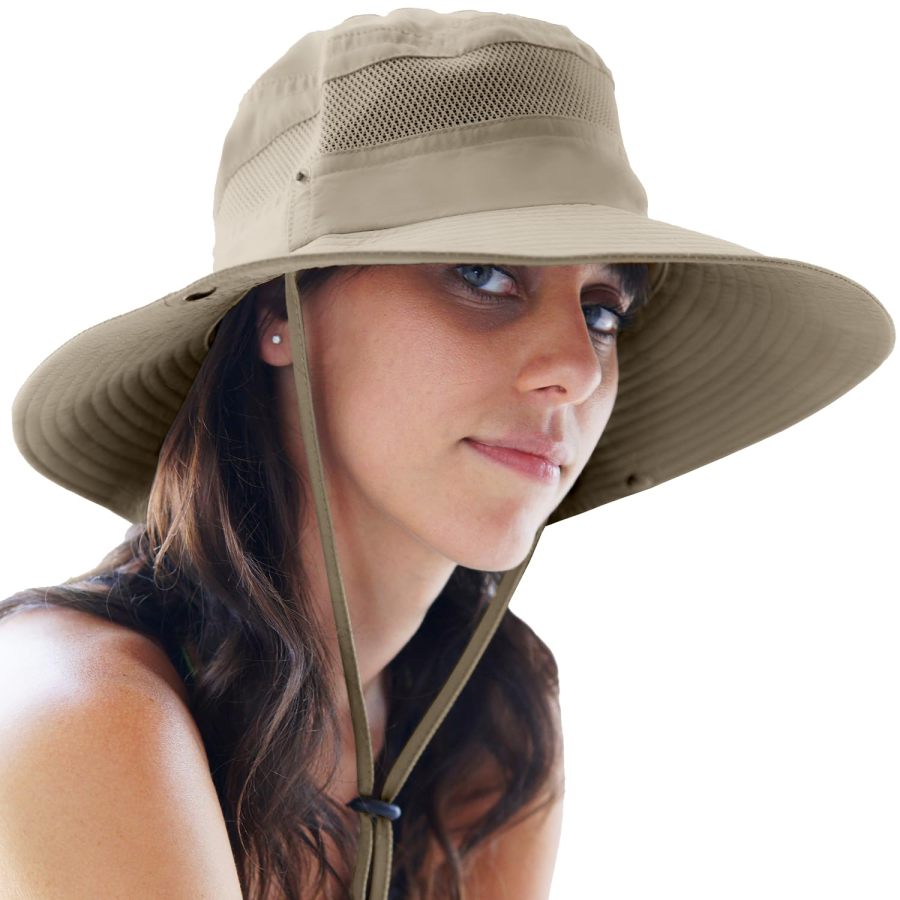
An outdoor wide-brim sun hat is a type of headwear specifically designed for outdoor activities, aimed at providing broad-spectrum UV protection for the head, face, and neck. Products in this category typically feature lightweight, breathable, quick-drying materials and characteristics like foldability and adjustability to adapt to diverse outdoor scenarios such as fishing, hiking, gardening, and beach vacations, ensuring users can enjoy outdoor activities without sun exposure concerns. The following table illustrates the key characteristics of consumer behavior in this category.
| Dimension | Segment | Description |
|---|---|---|
| Need Driver Type | Planned Purchase / Emergency-driven Purchase | Users purchase based on long-term health protection considerations or due to temporary outdoor activity needs (e.g., travel, fishing season). |
| Purchase Frequency | Low Frequency / Seasonal | Typically a one-time purchase, but demand rises significantly during summer and peak outdoor activity seasons (spring/summer). |
| Decision Complexity | Medium | Consumers compare sun protection factor (UPF), material comfort, portability, and specific additional features to make a decision. |
| Price Sensitivity | Medium to High | Price is an important consideration, but users are willing to pay a reasonable premium for innovative features or brands once core sun protection and comfort are met. |
| Emotional Dependency | Low to Medium | Primarily based on functionality (sun protection, comfort) and health protection. Fashion sense and identity are secondary but growing considerations. |
II. User Personas & Usage Scenarios
2.1 Outdoor Explorers & Laborers
🎯 A group passionate about prolonged outdoor activities (e.g., fishing, hiking, gardening, hunting), emphasizing functionality and durability.
| Typical Usage Scenarios | Core Pain Points | Primary Purchase Drivers |
|---|---|---|
|
|
|
2.2 Leisure Travelers & Fashion Enthusiasts
🎯 View sun hats as essential travel items and daily accessories, balancing functionality with fashion, and emphasizing portability and personal expression.
| Typical Usage Scenarios | Core Pain Points | Primary Purchase Drivers |
|---|---|---|
|
|
|
III. User Needs Hierarchy (KANO Model)
3.1 Basic Needs (Must-Haves)
- Effective UV protection: Hats must provide effective UPF 50+ UV protection to prevent sunburn.
- Wide brim coverage: The brim must be wide enough to effectively shade the face and neck, a fundamental requirement for sun protection.
- Size adaptability: Hats should fit various head sizes or provide effective adjustment mechanisms to ensure basic wearing comfort.
3.2 Performance Needs (Linear Satisfiers)
- Excellent breathability and sweat-wicking: Utilizing mesh designs, sweat-wicking bands, etc., to effectively dissipate heat, prevent overheating, and enhance comfort during prolonged wear.
- Lightweight materials: Using lightweight fabrics to reduce head burden, especially suitable for long outdoor activities and travel.
- Foldability and easy storage: Hats should fold easily for convenient storage in bags without taking up much space.
- Wind-resistant and secure fit: Equipped with reliable, adjustable chin straps to ensure the hat stays firmly in place even in windy conditions.
3.3 Excitement Needs (Delighters)
- Ponytail hole design: Specifically for long-haired women, solving the issue of where to place ponytails or buns, greatly enhancing comfort and convenience.
- Neck flap: Providing additional removable or stowable neck protection for users with higher demands for full coverage.
- Multiple style transformations: Using snap buttons or similar designs to allow brims to be rolled up or down, offering styles like bucket hats/cowboy hats, adding fun and versatility.
- Special functional fabrics or designs: Features like waterproof/quick-dry materials, cooling effects when wet, built-in mini pockets, moldable brims, etc., providing unexpected practical value.
3.4 Unmet Needs & Opportunities
- Difficult-to-remove fold creases: Despite claims of foldable portability, hats often develop stubborn, permanent creases after storage or shipping, significantly impacting aesthetics and user experience.
- Imprecise fit of one-size-fits-most: Many products claim 'one size fits most,' but users with larger or smaller-than-average head sizes still experience issues with tightness or looseness, leading to discomfort or instability.
- Lack of fashion sense and style variety: Wide-brim sun hats on the market generally prioritize functionality, with relatively conservative color, pattern, and style choices, lacking personalized designs that meet daily casual or fashion pairing needs.
- Material durability and ease of cleaning: Some products use flimsy materials or suffer from deformation, fading, or pilling after multiple washes. Users expect higher durability and easier maintenance.
IV. User Decision Drivers
4.1 Key Decision Factors
- Sun Protection Factor (UPF) and coverage area: The primary purchase consideration; must achieve UPF 50+ with a brim wide enough to effectively protect the face and neck.
- Wearing comfort: Breathability, lightweight feel, and proper head fit are key factors determining whether users can wear the hat comfortably for extended periods.
- Product price: A significant factor influencing the 'buy or not buy' and 'which one to buy' decisions once basic functionality is met; users seek high value for money.
4.2 Secondary Decision Factors
- Portability and storability: Ease of folding and storage, and whether folding leaves unsightly marks, is important for travel and daily use.
- Wind-resistant and secure design: The effectiveness of chin straps or drawstrings in preventing the hat from blowing off in windy outdoor conditions enhances peace of mind.
- Additional features and details: Features like ponytail holes, neck flaps, waterproof/quick-dry properties, multiple wearing styles, etc., effectively attract users with specific needs.
- Appearance design and color options: Users want hats to have a degree of aesthetic appeal beyond functionality, with colors matching personal taste or outfit needs.
- Material quality and durability: Attention to material texture, durability, and ease of cleaning/maintenance also influences product lifespan.
V. Selling Points & Competitive Landscape
5.1 Selling Point Analysis
5.1.1 Standard Features (Points of Parity)
- UPF 50+ Sun Protection: The UV protection rating emphasized by almost all products is the most fundamental and critical core selling point of this category.
- Wide Brim: Providing effective coverage for the face and neck, a direct representation of sun protection, is a universally accepted feature.
- Foldable/Portable: Emphasizing easy carrying and storage to suit outdoor travel and daily outings is a high-frequency selling point.
- Breathability and Comfort: Aimed at enhancing coolness and comfort during extended wear through mesh designs, moisture-wicking liners, etc.
- Adjustable Chin Strap: Used to secure the hat and prevent loss in windy weather or during activity, a commonly equipped practical feature.
5.1.2 Key Differentiators
- Ponytail Hole Design: A clear differentiator providing convenience for long-haired female users by solving the ponytail placement issue.
- Waterproof/Quick-Dry Material: Suitable for rainy days or water activities, enhancing the hat's versatility, especially favored by outdoor sports enthusiasts.
- Multiple Wearing Styles: Achieving style switches like bucket hat to cowboy hat via brim snap buttons, adding product fun and styling freedom.
- Neck Flap: Providing more comprehensive protection for users needing extra neck sun protection, common in professional outdoor hats.
5.1.3 Unique Selling Propositions (USPs)
- Built-in Cooling Pack Pocket: A unique feature mentioned by a few products, further enhancing summer coolness by holding a cooling pack.
- Semi-Rigid Moldable Brim: Allows users to adjust brim shape according to personal preference, balancing functionality and personalized style, relatively rare in the market.
- UPF 80+ Ultra-High Protection: Some brands claim UPF 80+, exceeding the mainstream UPF 50+ standard as a higher-tier sun protection selling point.
5.2 Competitive Landscape
5.2.1 Market Maturity
The outdoor wide-brim sun hat category has high market maturity. Core functionalities (sun protection, breathability, portability) are now industry standards, leading to severe product homogenization. Most sellers compete fiercely on basic selling points, resulting in high price sensitivity and squeezed profit margins.
5.2.2 Innovation Trends
Current category innovation is shifting from single functionality towards enhancing user experience and meeting niche needs. Trends include: achieving more humanized protection through ponytail holes and neck flaps; using snap buttons to enable multiple wearing styles, adding fashion elements; exploring newer, lighter, faster-drying, more shape-retentive, and waterproof materials; and incorporating micro-innovations like hidden pockets or moldable brims to stand out in a saturated market.
VI. Marketing Claims vs. Reality Check
The table below analyzes the gap between common marketing claims and actual user experiences in this category:
| Dimension | Marketing Claim | User Reality | Verdict |
|---|---|---|---|
| Portability/Foldability | Folds easily, convenient to carry, takes up no space, leaves no marks. | Users commonly report that hats develop stubborn, permanent creases after folding, affecting aesthetics and compromising brim structure. | Sellers overemphasize the convenience of 'foldability' but overlook the physical limitations of current materials and structures, which are prone to deformation after repeated folding, leading to unmet user expectations for 'crease-free portability'. |
| Size Fit Adaptability | One Size Fits Most, suitable for most head sizes, comfortable to wear. | Despite adjustment features, numerous user reviews indicate hats are too large for small heads and too tight for large heads, failing to achieve true universal fit and impacting comfort and stability. | The 'one-size-fits-most' strategy simplifies SKU management but creates a functional logic paradox, failing to meet individualized fit needs, representing a major flaw in product experience. |
| Material Functionality | High-quality materials, lightweight, breathable, waterproof, sun-protective. | Some products (e.g., paper straw material) have poor craftsmanship, breaking on first use; some nylon/polyester fabrics still feel insufficiently breathable in extreme heat; claims of UPF 50+ often lack details on authoritative certification. | Sellers' descriptions of materials and functionality are often vague and exaggerated, failing to specify what constitutes 'high quality' or provide authoritative backing, leading to user perception of actual function and durability falling short of expectations. |
Key Takeaway: The market exhibits a widespread tendency to exaggerate scenario-based experiences, particularly regarding 'foldability' and 'one-size-fits-most' claims. There is a disconnect between marketing promises and actual user experience.
VII. Supply-Demand Misalignment Analysis
The table below highlights mismatches between seller focus and buyer priorities:
| Dimension | Seller Behavior | User Focus | Verdict |
|---|---|---|---|
| Post-Folding Appearance Smoothness | Sellers commonly emphasize 'foldable, easy to carry' but rarely mention or demonstrate the hat's actual ability to return to a crease-free state after folding. | Users express disappointment over permanent creases after use, believing it affects aesthetics and mood, thereby diminishing the perceived value of 'portability'. | Sellers remain at the basic level of 'can be folded,' failing to deeply understand the latent user need for 'crease-free folding that maintains aesthetics,' causing the core selling point to not be fully realized. |
| Precise Head Size Fit | Most sellers promote 'one size fits most.' Some products have drawstring adjustments but lack refined solutions or multiple size options for different head circumferences. | Numerous users complain about hats being too large or too small, causing discomfort and instability, especially for individuals with smaller or larger-than-average head sizes, leading to purchase hesitation and negative reviews. | Sellers adopt a 'one-size-fits-all' strategy for size fit, failing to effectively address the most basic user pain point of 'proper fit,' limiting product universality and affecting user satisfaction. |
| Style Fashion Sense and Design Variety | Market products generally have conservative design styles, with colors mostly solid or camouflage, lacking unique fashion elements or diverse style choices. | Some users want hats that are not only functional but also match daily outfits, even serving as fashion items. Existing products struggle to meet their needs for personalization and aesthetics. | Sellers over-focus on functionality and under-invest in appearance design, creating a blind spot in meeting user aesthetic and personal expression needs, failing to expand into broader markets. |
Key Takeaway: Sellers generally engage in homogeneous promotion on basic functional points, overlooking users' deeper needs for detailed product experience, aesthetics, and true fit.
VIII. Strategic Opportunities & Recommendations
8.1 'Crease-Free Memory' Foldable Sun Hat
8.1.1 Target Audience & Pain Points
⚡️ Pain Points Addressed: Difficult-to-remove fold creases affecting product aesthetics and user experience.
8.1.2 Action Plan
Use ultra-fine microfiber polyester or nylon blends with shape memory function, combined with optimized cutting techniques, to ensure the hat quickly returns to a smooth state after multiple folds. Use premium round or tube packaging to avoid permanent creases during shipping.
| Tech Complexity | Medium |
| Cost Impact | Medium Impact |
| Trade-off Warning | Using memory fabrics or special structures may slightly increase product thickness or weight (5-10 grams), but users are willing to pay to maintain aesthetics. |
| Price Band | Only viable above $14.99 |
8.1.3 Marketing Strategy
Emphasize 'Say goodbye to creases, style always on point'; showcase the hat's magic quick-recovery through comparison videos; highlight 'The travel essential, maintaining your best look anytime, anywhere.'
8.2 Multi-Size/Precision-Adjustable Sun Hat
8.2.1 Target Audience & Pain Points
⚡️ Pain Points Addressed: Imprecise fit of one-size-fits-most, causing discomfort or instability.
8.2.2 Action Plan
In addition to basic drawstrings, add hidden, more precise hook-and-loop or elastic lining inside the sweatband for micro-adjustment. Further, offer size options like S/M/L and provide detailed head measurement guide charts.
| Tech Complexity | Low |
| Cost Impact | Low Impact |
| Trade-off Warning | Offering multiple sizes increases inventory management complexity but is crucial for enhancing user experience. |
| Price Band | Only viable above $12.99 |
8.2.3 Marketing Strategy
Highlight 'Custom-grade fit, comfort made for you'; guide users with diagrams to measure head size for the best fit; emphasize 'Perfect fit, fearless of wind or movement.'
8.3 Fashion Collaboration/Designer Wide-Brim Sun Hat
8.3.1 Target Audience & Pain Points
⚡️ Pain Points Addressed: Lack of fashion sense and style variety, failing to meet daily casual or personalized styling needs.
8.3.2 Action Plan
Collaborate with fashion designers or outdoor lifestyle KOLs to launch limited-edition co-branded styles; introduce more trendy colors (e.g., Morandi tones, earth tones) and unique patterns/prints; optimize cut and silhouette for a more street-style or vacation-chic feel.
| Tech Complexity | Low |
| Cost Impact | Medium Impact |
| Trade-off Warning | Designer styles may have lower initial sales volume than basic styles, requiring acceptance of design and inventory risks. |
| Price Band | Only viable above $19.99 |
8.3.3 Marketing Strategy
Emphasize 'Fashionable sun protection, leading the trend'; showcase styling through social media KOL collaborations; highlight the product design concept and story behind it to attract users seeking unique style.
8.4 High-Durability, Easy-Care Technical Sun Hat
8.4.1 Target Audience & Pain Points
⚡️ Pain Points Addressed: Insufficient material durability and ease of cleaning, prone to deformation, fading, pilling, or inconvenient hand-washing.
8.4.2 Action Plan
Use high-density, tear-resistant professional outdoor nylon or polyester fabrics, add anti-UV coatings and anti-pilling treatments. Ensure products are machine-washable and provide clear care labels to reduce user maintenance burden. Strengthen stitching and component connection durability.
| Tech Complexity | Medium |
| Cost Impact | High Impact |
| Trade-off Warning | More durable, high-performance fabrics may increase costs and could result in a slightly stiffer feel, requiring a balance between comfort and durability. |
| Price Band | Only viable above $16.99 |
8.4.3 Marketing Strategy
Emphasize 'Rugged and durable, fearless of challenges'; highlight 'Machine wash friendly, cleaning made easy'; provide videos or certifications of products passing durability tests to build consumer trust.