Amazon US Market Analysis: Weighted Wrist/Ankle Bands Category
📊 Executive Summary
📈 Market Trends
Fitness integrates into daily life, aesthetics and function are equally important. The wrist/ankle weights market is highly competitive. Traditional sandbag-filled products are commoditized with high price sensitivity. Silicone fashion styles lead a new trend, with growing user demand for thinness, comfort, aesthetics, and multi-scenario applicability. Innovation trends focus on upgrading materials, design aesthetics, and convenient fastening methods to stand out in differentiated competition.
⚡ Major Pain Points
Size fit is a critical flaw, Velcro durability is a minefield. The market commonly advertises 'one-size-fits-all', but fit is poor for slender-wristed/ankled users, causing instability and slipping. Velcro, as the mainstream fastening method, suffers from wear, loss of adhesion, and skin chafing. Additionally, internal weight blocks sliding out/filler leakage and localized pressure pain during wear severely impact user experience and product reputation.
💡 Selection Opportunities
Deepen focus on segmented needs, optimize core experience. Opportunities lie in solving high-frequency pain points like 'poor fit for small-sized users' and 'poor Velcro durability'. Recommendations: develop products for slender body types or offer finer adjustment solutions; upgrade fastening systems to high-durability, friction-free materials (e.g., premium Velcro or magnetic clasps); and conduct ergonomic optimization to reduce pressure pain. Simultaneously, explore the professional rehabilitation market by offering more precise, safe assistive products to achieve premium pricing.
I. Analysis Overview
1.1 Introduction & Report Scope
This report analyzes the 'Wrist & Ankle Weights' category (weighted wrist/ankle bands) in the US Amazon market, focusing on target user personas, core needs, decision drivers, market communication, and potential opportunities.
1.2 Category Snapshot
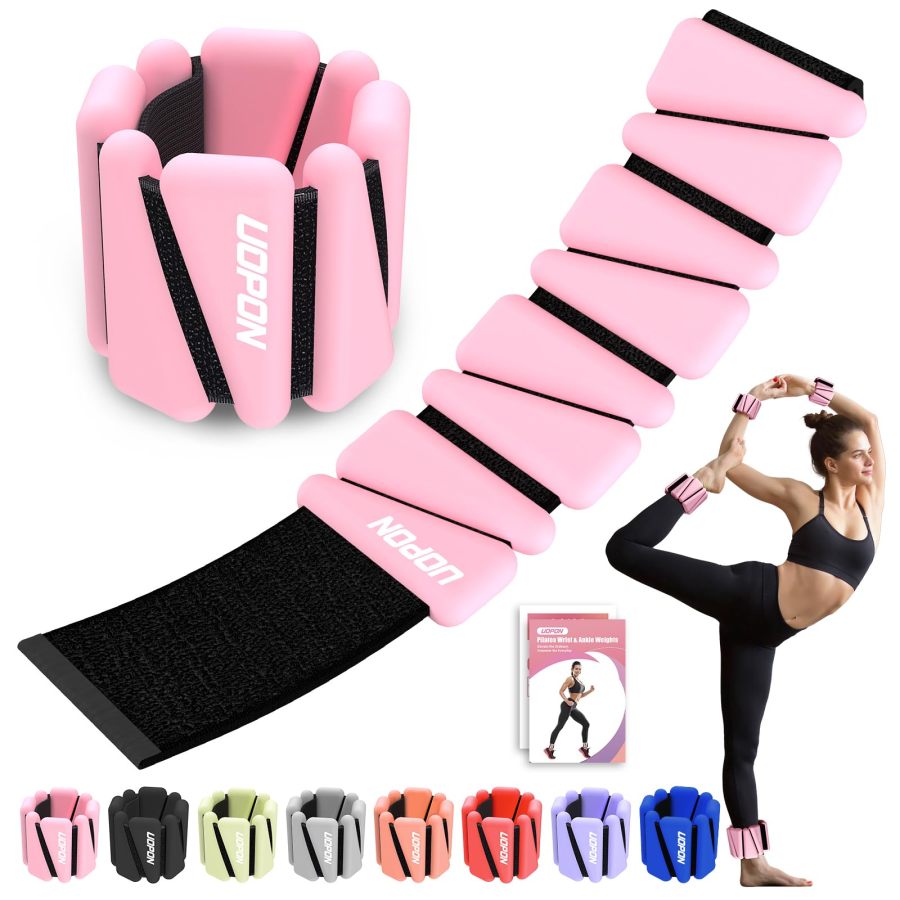
Weighted wrist/ankle bands (also known as weighted wrist straps, ankle straps) are wearable accessories that assist in exercise and fitness. They primarily work by adding extra resistance to the wrists or ankles to enhance the intensity and effectiveness of activities such as daily movement, running, yoga, Pilates, and rehabilitation training. The market offers diverse product forms, ranging from economical and practical traditional sandbag/iron sand-filled types (often made of neoprene) to modern designs focusing on aesthetics and comfort, such as silicone segmented or magnetic versions. Weight options cover everything from light to heavy. The following table illustrates the key characteristics of consumer behavior in this category.
| Dimension | Segment | Description |
|---|---|---|
| Need Driver Type | Planned Purchase/Emergency-driven Purchase | User purchases typically stem from anticipated content creation, video conferencing needs, or emergency scenarios like sudden low-light shooting, with clear expectations for immediate fill lighting. |
| Purchase Frequency | Low Frequency | As fitness accessories, their replacement cycle is tied to product wear or advancement in fitness goals. Purchase frequency is typically low, not a fast-moving consumer good. |
| Decision Complexity | Medium | Consumers compare material comfort, weight adjustment methods, wearing stability, aesthetic design, and price to make a trade-off choice. |
| Price Sensitivity | Medium | Price is an important consideration in the decision, but users are willing to pay a reasonable premium for significant improvements in comfort, durability, or aesthetic value. |
| Emotional Dependency | Medium | The product satisfies the functional need for added resistance while also providing emotional value and self-satisfaction through a 'more fashionable' look and a sense of 'greater focus during exercise'. |
II. User Personas & Usage Scenarios
2.1 Everyday Fitness Enthusiast
🎯 Focuses on a healthy lifestyle and personal image. Aims to enhance workout effectiveness through convenient, low-impact exercise and pursues fashion sense and comfort in fitness gear.
| Typical Usage Scenarios | Core Pain Points | Primary Purchase Drivers |
|---|---|---|
|
|
|
2.2 Rehabilitation/Functional Improvement Seeker
🎯 Requires physical therapy due to injury/illness (e.g., post-knee or shoulder surgery) or is an elderly person seeking to aid limb function recovery and balance improvement through light weight-bearing.
| Typical Usage Scenarios | Core Pain Points | Primary Purchase Drivers |
|---|---|---|
|
|
|
III. User Needs Hierarchy (KANO Model)
3.1 Basic Needs (Must-Haves)
- Provide Additional Weight: As the core function, the product must provide stable and perceptible extra weight to the wrist or ankle to increase exercise intensity.
- Secure Fit, No Slippage: During exercise or daily activities, the weighted band must stay firmly fixed on the wrist or ankle, avoiding impact on training or discomfort due to slipping or loosening.
- Basic Comfort: Materials cannot be overly rough or have hard protrusions that dig into the skin. Should not cause significant pressure or itching, ensuring a fundamental wearing experience.
3.2 Performance Needs (Linear Satisfiers)
- Skin-Friendly, Breathable Material: Materials should be soft, sweat-wicking, and breathable to reduce skin friction, especially during prolonged wear or heavy sweating, enhancing comfort.
- Easy to Clean and Maintain: Products easily get sweaty after exercise. They need to be easy to wash, quick-drying, resistant to bacteria/odor, extending product lifespan.
- Adjustment Convenience: Both the tightness and (for some products) weight should be easy and quick to adjust to fit different limb sizes and training needs.
- High Durability: Products should be durable, not prone to tearing, deforming, or common issues like Velcro losing adhesion or sandbags leaking, ensuring long-term value.
3.3 Excitement Needs (Delighters)
- Fashionable Design: Clean aesthetics, trendy colors, even a 'jewelry-like' feel that enhances the wearer's fashion sense and exercise mood, making them happy to wear it in public.
- Multiple Weight Options & Fine Adjustment: Offers a range of weight gradients from light to heavy, even featuring removable small blocks or magnetic weights for precise, personalized progressive training.
- Thin, Unnoticeable Experience: Feels almost non-existent when worn, seamlessly blending into daily clothing and activities without appearing bulky or突兀, achieving 'invisible fitness'.
- Convenient Storage & Portability: Comes with a dedicated storage bag, making it easy for users to carry to the gym, office, or while traveling without taking up much space.
3.4 Unmet Needs & Opportunities
-
Poor Velcro Durability & Comfort Issues: As the mainstream fastening method, Velcro is prone to wear, loss of adhesion, and fraying over time. Additionally, sharp Velcro edges can easily chafe skin, causing discomfort or redness.
User Reviews (VOC) Velcro closure is more comfortable than standard metal loops ... These almost always quickly wear out. The straps friction with the metal ring Combined with the weight of the product tear it apart within a month if you wear it very often. // After 6-9 months the velco wears out and they don't stay on. // The Velcro does rub if you don't get the edges just right.
-
Poor Fit for Small-Wristed/Ankled Users: Many products claim 'one-size-fits-all' but are still too large for slender wrists/ankles, preventing a snug fit and leading to instability or slipping.
User Reviews (VOC) I have small wrists, so even the 2lb ones move around. I can't adjust them any further. // If I snug the bangle tight enough at the bottom to where it won't slip and bang my wrist bone, then it's a little too snug against my forearm. // These are not for people with thick wrists / ankles
-
Weight Blocks Sliding Out or Filler Leaking: For some segmented silicone products, internal weight blocks can slide out of the band during exercise. Traditional sandbag types risk sand leakage.
User Reviews (VOC) the blocks can slide out of the band. // They're nice and sturdy but the weights fall off the strap when not in use. Constantly having to slide them back on the strap before I wear them. // after 3 uses they started leaking sand.
-
Localized Pressure Pain During Wear: With some products, internal weight blocks or fastening structures can directly press or rub against wrist/ankle bones during joint bending or movement, causing pain.
User Reviews (VOC) I found it a bit uncomfortable during longer walks as the casing tended to press into my ankle bone after a while. // The weights are a bit weirdly shaped so they can rub on the joint if you put it too low.
IV. User Decision Drivers
4.1 Key Decision Factors
- Wearing Comfort: Users care most about whether long-term wear is skin-friendly, friction-free, and non-irritating. This directly impacts willingness to use and overall experience. If uncomfortable, the product's value plummets.
- Stability & Anti-Slip: Whether for daily activities or high-intensity exercise, the weighted band must stay firmly fixed without slipping or loosening. Otherwise, it not only affects safety but also significantly reduces training effectiveness.
- Material Safety & Easy Cleaning: Especially for materials like silicone in direct skin contact, ensuring no odor or irritation is crucial. Easy wipe-clean capability is needed to avoid hygiene risks and odors from sweat residue.
4.2 Secondary Decision Factors
- Weight Adjustment Function: The ability to easily adjust weight based on personal needs or training stages reflects product flexibility and meets progressive training demands, adding long-term value.
- Aesthetic Design: Fashionable, minimalist designs with diverse color choices enhance user enjoyment and psychological satisfaction, especially when worn in public, providing 'social currency' value.
- Product Durability: Includes the lifespan of Velcro adhesion, material tear resistance, and filler stability. Determines long-term cost of ownership and value for money.
- Price & Brand Trust: After meeting functional and experiential needs, users compare prices across brands, weighing value for money. Well-known sports brands typically garner higher user trust.
V. Selling Points & Competitive Landscape
5.1 Selling Point Analysis
5.1.1 Standard Features (Points of Parity)
- Versatile Use: Commonly marketed as suitable for yoga, Pilates, running, walking, home workouts, rehab training, etc., emphasizing versatility.
- Skin-Friendly, Comfortable Material: Often made of silicone, neoprene, or blended cotton, highlighting softness, skin-friendliness, and comfortable wear to reduce friction.
- Adjustable Strap Design: Uses Velcro or other buckles for size adjustment, claiming 'one-size-fits-all' or 'one size fits most' to accommodate different wrist/ankle sizes.
- Enhance Workout Effectiveness: Emphasizes that added resistance helps build muscle strength, tone, burn fat, and increase workout intensity, helping users reach fitness goals faster.
- Water/Sweat Resistant, Easy Clean: Especially for silicone products, highlights waterproof, sweatproof, easy-wipe properties for convenient maintenance and hygiene.
- Portable & Lightweight: Most products emphasize compact size for easy carrying to the gym, office, or travel, without adding extra burden.
5.1.2 Key Differentiators
- Removable Weight Block Design: Some silicone bracelets use segmented or removable small blocks for fine-grained weight增减, adapting to different training intensities and progression.
- Fashionable Aesthetics: Highlights sleek lines, innovative color schemes (e.g., gradients), unique shapes (e.g., S-curve, leaf shape), making them resemble fashion accessories more than traditional gym gear.
- Special Fastening Mechanism: Examples include wristbands with a thumb loop (e.g., B0BYS96SV7) or products using D-ring reinforcement structures, aiming for a more stable, non-slip wearing experience.
- Anti-Odor/Anti-Bacterial Properties: Some products claim materials have odor-resistant or anti-bacterial functions, particularly suitable for high-sweat scenarios, enhancing hygiene assurance.
5.1.3 Unique Selling Propositions (USPs)
- Magnetic Closure System: Used by brands like VOGOGE and Redlake (e.g., B0G51GW7NY, B0FNMY76NK), featuring strong magnetic clasps that enable fast, Velcro-free wearing and securing. This significantly improves convenience and the 'unnoticeable wear' experience, representing a current market standout.
5.2 Competitive Landscape
5.2.1 Market Maturity
The wrist/ankle weights category is mature. Traditional sandbag-filled products are highly commoditized with intense competition and high price sensitivity. In recent years, silicone segmented designs led by brands like Bala Bangles have sparked a new fashion trend. However, these products also face competition from numerous lower-priced imitations and similar designs, with brand loyalty yet to be firmly established.
5.2.2 Innovation Trends
Innovation trends focus on: 1. Aesthetic Design Upgrade: Shift from purely functional to fashionable accessory-like, emphasizing refined product lines, colors, and materials to better match daily wear. 2. Wearing Comfort Optimization: Through softer, skin-friendly silicone, optimized weight distribution, avoiding direct Velcro-skin contact, and improved ergonomic design to enhance long-wear comfort. 3. Convenient & Precise Weight Adjustment: Evolving from fixed weights to removable small blocks, magnetic weights, etc., enabling more flexible, precise load adjustment for different user training stages and needs. 4. Fastening Mechanism Innovation: Moving from traditional Velcro towards more stable, less wear-prone, and more convenient new solutions like magnetic clasps.
VI. Marketing Claims vs. Reality Check
The table below analyzes the gap between common marketing claims and actual user experiences in this category:
| Dimension | Marketing Claim | User Reality | Verdict |
|---|---|---|---|
| Size Fit | 'One Size Fits All', 'Universal design, fits all body types'. | Users commonly report products are too large for slender wrists/ankles, preventing a snug fit, leading to instability, slipping, or falling off. | Sellers blindly pursue market reach, ignoring individual ergonomic differences. This causes the core selling point to completely fail for slender-bodied users, directly triggering negative experiences and increasing return rates. |
| Fastening System Durability | 'Durable', 'Super strong Velcro', 'Secure fit, lasting performance'. | Users report Velcro wears out easily, loses adhesion, and stops working after months; some products experience strap tearing or lining wear-through in a short time. | Sellers severely overstate key durability metrics. As fitness accessories, Velcro failure directly impacts product function and user safety, constituting a high-frequency reason for returns. |
| Weight Block Stability & Filler Leakage | 'Internal stainless steel weights for balanced resistance', 'Weight blocks stay firmly in place', 'High-quality filler, no sand leakage'. | Segmented silicone products experience weight blocks sliding out of the band; traditional sandbag types risk sand leakage or filler displacement. | Design flaws prevent internal weight units from staying stable during exercise, severely impacting product safety and user experience. This contradicts the core functional promise and poses safety concerns. |
Key Takeaway: The market exhibits widespread tendencies to exaggerate versatility and overstate durability, particularly regarding size fit and Velcro lifespan.
VII. Supply-Demand Misalignment Analysis
The table below highlights mismatches between seller focus and buyer priorities:
| Dimension | Seller Behavior | User Focus | Verdict |
|---|---|---|---|
| Precise Size Fit | Commonly claim 'one-size-fits-all' but fail to adequately consider actual fit for different body types in design, lacking segmented size solutions. | Users strongly complain 'Too big, my slender wrist/ankle can't get it tight', 'Slips with any movement, completely unusable'. | In pursuit of market universality, sellers adopt a 'one-size-fits-all' strategy on the critical dimension of fit, leaving a specific user segment's core needs unmet, missing an opportunity. |
| Velcro Reliability & Long-Term Experience | Commonly emphasize Velcro's 'strong hold' and 'comfort' but rarely address its long-term durability, wear resistance, or how to avoid skin/garment abrasion. | Users repeatedly report 'Velcro lost grip within months', 'Edges too hard, chafed my skin red', 'Ruined my workout pants'. | Sellers exhibit 'cost compromise' and 'selective information disclosure' on the critical fastening system, failing to address frequently reported durability and comfort issues. This erodes user trust in a core component. |
| Localized Pressure Pain During Wear | Commonly advertise 'comfortable wear', 'skin-friendly material', but rarely mention shape/distribution of internal weight blocks or protective design for bony prominences. | Users complain 'Ankle bone gets sore after wearing awhile', 'Weight block shape is awkward, presses on the joint'. | In pursuit of thinness or specific aesthetics, sellers insufficiently optimize ergonomics, causing the product to create discomfort during prolonged or specific activities, undermining the core promise of 'comfort'. |
Key Takeaway: Sellers over-invest in aesthetics and multi-functionality while neglecting users' most fundamental pain points: wearing comfort and long-term stability.
VIII. Strategic Opportunities & Recommendations
8.1 Optimized Wrist/Ankle Weights for Small-Sized Users
8.1.1 Target Audience & Pain Points
⚡️ Pain Points Addressed: Poor Fit for Small-Wristed/Ankled Users
8.1.2 Action Plan
Design a dedicated series for small-sized users or improve the adjustment mechanism of existing products. Increase the adjustable length and coverage of Velcro or buckles to ensure a tight, secure fit even for slender wrists/ankles. Clearly state the minimum/maximum circumference range on the product detail page.
| Tech Complexity | Low |
| Cost Impact | Low Impact |
| Trade-off Warning | No significant physical side effects, mainly involves optimizing structure and material usage. |
| Price Band | Only viable above $18.99 |
8.1.3 Marketing Strategy
Emphasize 'Goodbye Slipping, Designed for Slender Wrists & Ankles'. Provide photos/videos demonstrating the perfect fit on slender limbs, building a professional, considerate brand image.
8.2 High-Durability, Friction-Free Fastening System
8.2.1 Target Audience & Pain Points
⚡️ Pain Points Addressed: Poor Velcro Durability & Comfort Issues
8.2.2 Action Plan
Adopt high-quality, fray-resistant, long-lasting adhesive Velcro. Consider adding soft padding or edging where Velcro contacts skin. Alternatively, adopt innovative fastening methods like magnetic clasps or D-ring reinforced structures to solve traditional Velcro pain points, ensuring long-term stability and comfort. Also optimize internal weight block structure to prevent sliding or leakage.
| Tech Complexity | Medium |
| Cost Impact | Medium Impact |
| Trade-off Warning | High-quality Velcro or magnetic clasps may slightly increase volume. Magnetic systems have a slight learning curve initially, but long-term comfort improves. |
| Price Band | Only viable above $24.99 |
8.2.3 Marketing Strategy
Highlight 'Goodbye Wear, Lasting Security'. Use third-party lab test reports on Velcro cycle life or demonstrations of the new system's stability to reinforce product reliability and peace of mind. Emphasize skin-friendly, unnoticeable feel and garment safety.
8.3 Ergonomically Optimized 'Unnoticeable' Wear Design
8.3.1 Target Audience & Pain Points
⚡️ Pain Points Addressed: Localized Pressure Pain During Wear
8.3.2 Action Plan
Redesign the shape and arrangement of internal weight blocks to better conform to limb curves, avoiding direct pressure on bones. Add cushioning padding at pressure-prone points. Use softer, more elastic outer wrapping materials to ensure long-term, unnoticeable comfort. Conduct more wear tests across different body types to ensure universal comfort.
| Tech Complexity | Medium |
| Cost Impact | Medium Impact |
| Trade-off Warning | Adding internal padding or optimizing structure may slightly increase product volume or weight. |
| Price Band | Only viable above $22.99 |
8.3.3 Marketing Strategy
Emphasize 'Unnoticeable Wear, Goodbye Pressure Pain'. Use ergonomic diagrams and user experience comparisons to highlight superior comfort. Consider professional endorsements to boost trust.
8.4 Professional-Grade Weighted Product for Rehabilitation Needs
8.4.1 Target Audience & Pain Points
⚡️ Pain Points Addressed: Inconvenient/Imprecise Weight Adjustment, Material Irritates Skin
8.4.2 Action Plan
Develop weighted products with medically assistive-grade precision. Examples: offer smaller weight increments (e.g., 0.125 lbs or less), use skin-friendly materials with medical certifications, add soft, breathable inner linings to protect sensitive skin, design fasteners easier for one-handed operation. Provide detailed weight adjustment instructions and usage guidance, potentially paired with rehab plan suggestions.
| Tech Complexity | Medium |
| Cost Impact | High Impact |
| Trade-off Warning | Pursuing smaller weight increments may increase manufacturing complexity. High-spec, medical-grade materials are costlier. |
| Price Band | Only viable above $35.99 |
8.4.3 Marketing Strategy
Highlight 'Professional Rehab, Precise Support'. Emphasize medical-assistive standards and safety. Partner with physical therapists for promotion, showcasing professional endorsement. Detail small, precise weight adjustments and skin protection features to address rehab users' concerns.