Amazon US Market Analysis: Children's Training Cups Category
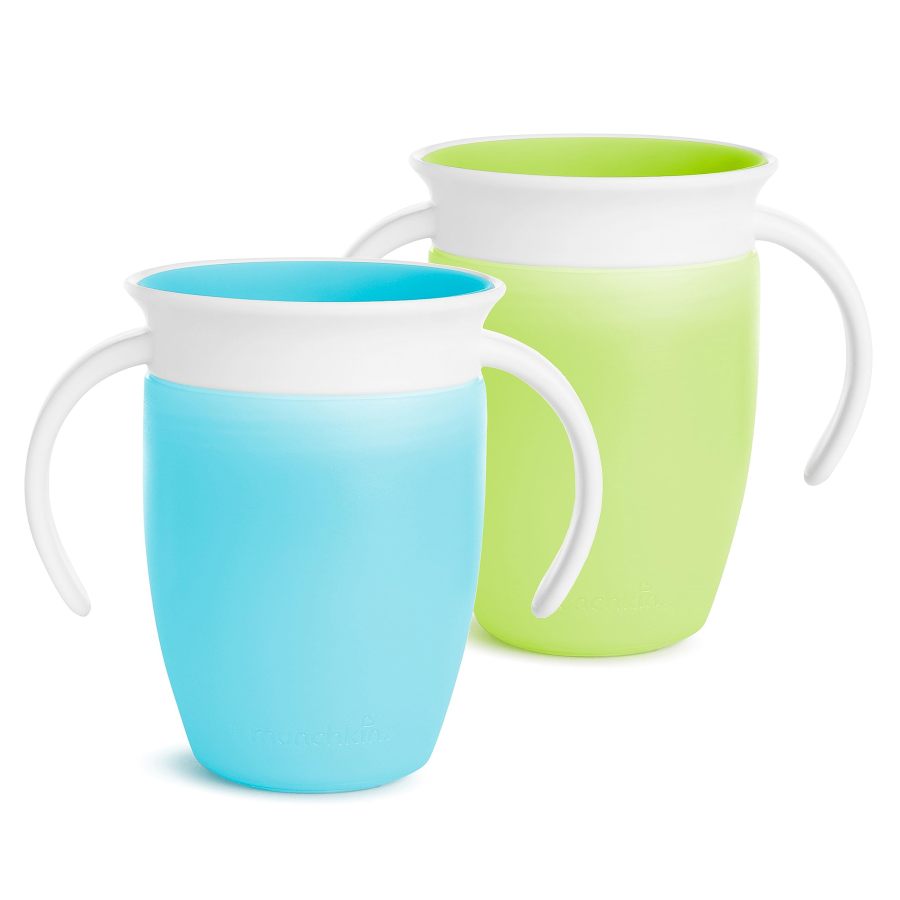
📊 Executive Summary
📈 Market Trends
Portable leak-proofing is foundational; hygiene and health are becoming focal points. The children's training cup market is highly mature, with leak-proofing, safe materials, and easy-grip handles being standard. Future trends will focus more on oral health-friendly designs, comprehensive leak and splash-proofing, and thoroughly easy-to-clean hygiene assurance to meet parents' growing demand for refined parenting.
⚡ Major Pain Points
Leak-proof promises and cleaning difficulties are core weaknesses. Despite widespread leak-proof claims, user feedback indicates frequent leaks and sprays, especially with straw cups. Simultaneously, straws and valves have many cleaning blind spots prone to mold, severely troubling parents. Spouts lacking chew-resistance and poor cup holder compatibility are also common pain points.
💡 Selection Opportunities
Deep dive into user experience pain points to create 'truly leak-proof' and 'truly easy-to-clean' products. Market opportunities lie in developing a Zero Blind Spot Modular Easy-Clean Training Cup to completely solve cleaning and hygiene challenges. Simultaneously, launch a Scenario-Based Comprehensive Leak & Splash-Proof Training Cup to deliver on the promise of truly worry-free leak protection. Complement with Multi-Functional Compatible Design to enhance product adaptability across various outing scenarios, building brand barriers in the details.
I. Analysis Overview
1.1 Introduction & Report Scope
This report analyzes the 'Cups' category (specifically Children's Training Cups) in the Amazon US market, focusing on target user personas, core needs, decision drivers, market communication, and potential opportunities.
1.2 Category Snapshot
Children's training cups are specialized tools designed for infants and toddlers to facilitate a smooth transition from bottle or breastfeeding to independent drinking. These products typically feature leak-proof designs, easy-grip handles, and safe materials. Common drinking methods include soft spouts, hard spouts, straws (including weighted straws), and 360° rim designs. Their core purpose is to foster a child's independent drinking ability while reducing the cleaning burden for parents. The following table illustrates the key characteristics of consumer behavior in this category.
| Dimension | Segment | Description |
|---|---|---|
| Need Driver Type | Planned Purchase / Habitual Purchase | Parents typically make planned purchases based on their child's developmental stage or specific milestones (e.g., weaning, learning to drink independently), and the cup becomes a habitual daily drinking tool. |
| Purchase Frequency | Low / Medium Frequency | As durable goods, a single purchase usually involves 1-4 units, with a long repurchase cycle primarily driven by product wear, changing functional needs, or the child's growth. |
| Decision Complexity | Medium | Consumers thoroughly compare factors such as material safety, leak-proof performance, ease of cleaning, child acceptance, brand reputation, and price. |
| Price Sensitivity | Medium | Price is an important consideration, but parents prioritize their child's health and product practicality, willing to pay a reasonable premium for high-quality products that offer peace of mind. |
| Emotional Dependency | Medium to High | The product carries parents' care and expectations for their child's healthy development, as well as the emotional value of seeking convenience and reassurance in parenting, creating potential for brand premium. |
II. User Personas & Usage Scenarios
2.1 Health & Development-Focused Parents
🎯 Parents who focus on their child's oral health and developing good drinking habits. They seek products that promote independent drinking while ensuring safety.
| Typical Usage Scenarios | Core Pain Points | Primary Purchase Drivers |
|---|---|---|
|
|
|
2.2 Convenience & Hygiene-Seeking Busy Parents
🎯 Parents with fast-paced lives who want training cups to minimize cleaning hassle, offer reliable leak-proof performance, and be easy to carry and maintain daily.
| Typical Usage Scenarios | Core Pain Points | Primary Purchase Drivers |
|---|---|---|
|
|
|
III. User Needs Hierarchy (KANO Model)
3.1 Basic Needs (Must-Haves)
- Food-Grade Safe Materials: Must use BPA-Free, PVC-Free, and other food-grade safe materials to ensure the child's drinking health. This is the baseline for all children's products.
- Basic Leak-Proof Function: The product should have an effective leak-proof mechanism to prevent liquid from spilling during normal tilting or minor drops, reducing daily mess.
- Suitable for Baby's Grip: The cup body or handle size and shape must be ergonomically designed for a baby's small hands, facilitating easy self-grasping and holding.
- Easy Daily Cleaning: The product structure should be disassemblable for thorough cleaning of all parts, preferably dishwasher-safe to save parents' effort.
3.2 Performance Needs (Linear Satisfiers)
- Smooth Flow, Minimizes Choking: Liquid flow rate should be moderate for easy sipping without being too fast, which could cause choking and affect the drinking experience.
- Drop and Impact Resistant: Sturdy materials that can withstand a child's daily drops and bumps, resisting cracks and breaks to extend product lifespan.
- Oral-Friendly Design: Spouts or nipples made from soft materials with shapes that fit a baby's oral structure, not interfering with normal tooth and gum development, providing comfort.
- Appropriate Capacity: Capacity should meet a child's single-serve drinking needs while being a convenient size for carrying, not too heavy or bulky.
3.3 Excitement Needs (Delighters)
- 360° Rim for Seamless Drinking: Allows drinking from any edge of the cup, mimicking a regular cup, aiding natural oral muscle development and transition to adult cups.
- Weighted Straw Design: A straw with a weighted ball at the bottom ensures the child can sip easily from any position (sitting, lying, standing), enhancing convenience.
- Removable/Adjustable Handles: Handles that can be removed or adjusted according to the child's developmental stage, adapting to different needs and extending product lifecycle.
- Cute Cartoon Patterns/Bright Colors: Designs that attract the child's attention, increasing drinking fun and initiative, while also enhancing product aesthetics and gift appeal.
- Includes Cleaning Brush/Replacement Straws: Providing a dedicated small brush for cleaning inside straws or extra replacement parts adds product value and convenience for long-term use.
3.4 Unmet Needs & Opportunities
-
Straw or Spout Cleaning Difficulty: Many training cups have complex straw, spout, or internal valve designs that are hard to clean thoroughly, trapping grime and breeding bacteria.
User Reviews (VOC) It's impossible to clean inside the spout, so it gets moldy. // The straw is hard to clean. Even with the little brush, I can't reach the bottom.
-
Unstable Leak-Proof Performance, Especially for Straw Cups: Despite leak-proof claims, straw cups can still leak when inverted or if the seal isn't perfect, and are prone to spraying during pressure changes.
User Reviews (VOC) It leaks if my toddler throws it or holds it upside down. // The straw sprays water when going from low to high altitude.
-
Material or Spout Not Chew-Resistant, Easily Damaged: During teething, babies chew on cup spouts. Some materials or designs aren't chew-resistant, leading to quick damage, affecting lifespan, hygiene, and potentially safety.
User Reviews (VOC) My baby chewed through the spout in a week. // The plastic around the straw cracked easily when dropped.
- Poor Cup Body Size Compatibility with Universal Cup Holders: Many training cups have overly wide bases that don't fit standard cup holders in strollers, car seats, etc., limiting portability and convenience for outings.
IV. User Decision Drivers
4.1 Key Decision Factors
- Material Safety: Whether BPA-Free, food-grade, and other safe materials are used directly impacts the child's health. This is the primary and often deal-breaking factor for parents.
- Leak-Proof Performance: Whether it truly prevents leaks directly affects daily convenience, preventing spills that dirty clothes and surroundings, and reducing parental cleaning burden.
- Cleaning Convenience: Whether the product is easy to disassemble and clean, with no hidden spots, determines daily maintenance effort and drinking hygiene, key for repurchase.
- Child Acceptance: Whether the spout design, flow rate, and feel suit the child directly impacts their willingness to use it, determining the training outcome.
4.2 Secondary Decision Factors
- Durability: Drop resistance and overall lifespan affect product value for money, reducing the cost and hassle of frequent replacements.
- Grip Comfort: Whether the handle or cup body design fits a child's hand shape, facilitating easy grasping and independent drinking, enhancing the user experience.
- Oral Health Friendliness: Whether it aids healthy oral and dental development, reducing potential long-term impacts on oral structure.
- Aesthetic Design: Whether colors, patterns, or cartoon IPs appeal to both child and parent, boosting purchase intent and product visual appeal.
- Brand Reputation & Price: The trustworthiness of well-known brands and the reasonableness of the price are important final considerations in the decision.
V. Selling Points & Competitive Landscape
5.1 Selling Point Analysis
5.1.1 Standard Features (Points of Parity)
- BPA-Free Material: Almost all training cup products emphasize using safe, non-toxic BPA-Free plastic or food-grade silicone, meeting safety standards.
- Spill-Proof/Leak-Proof Design: Achieving leak-proof function through technologies like soft spouts, straw valves, or 360° rims is a basic functional requirement for the category.
- Easy-Grip Handles: Most products come with ergonomic, easy-to-grip dual handles suitable for infants, facilitating independent holding.
- Dishwasher Safe: Products are commonly advertised as safe for the top rack of the dishwasher, making daily cleaning convenient for parents.
- Helps Transition from Bottle: Emphasizes the product's core parenting value proposition: helping the child successfully transition from bottle to cup.
5.1.2 Key Differentiators
- Weighted Straw: Brands like Munchkin use straws with a weighted ball at the bottom, ensuring the child can sip from any angle, increasing drinking convenience.
- 360° Rim Drinking: The Munchkin Miracle 360° series emphasizes a no-spout design, mimicking regular cup drinking, aiding oral muscle development and improving transition effectiveness.
- Chew-Resistant Hard Spout: The NUK Fun Grips series highlights its hard spout design, marketed as more resistant to chewing, extending spout lifespan.
- Removable/Adjustable Handles: Some products, like certain NUK models, have removable handles to adapt to different growth stages, or Munchkin's transition handles.
- Cartoon Themes/IP Collaborations: Products like NUK's Mickey Mouse and Princess series use well-known cartoon characters to attract children and parents, increasing product appeal.
5.1.3 Unique Selling Propositions (USPs)
- Click Lock™ Leak-Proof Technology: Munchkin's proprietary Click Lock™ technology provides an audible 'click' to confirm the seal, building intuitive confidence in leak-proofing. This is a patented selling point.
- Transparent Cup Body for Easy Liquid Level Tracking: The Munchkin Any Angle series emphasizes a transparent cup body design, allowing parents to easily monitor fluid intake, though not all brands highlight this feature.
- Unique Air Valve Design Reduces Air Swallowing: The NUK Learner Cup contains an air valve designed to reduce air swallowing during drinking, helping prevent gas, addressing a specific user pain point.
- Includes Straw Cleaning Brush: Some straw cups include a small brush for cleaning inside the straw, demonstrating attention to the cleaning pain point, though not all brands provide this.
5.2 Competitive Landscape
5.2.1 Market Maturity
The children's training cup market has entered a highly mature and fiercely competitive stage. Basic features like BPA-Free, leak-proofing, easy-grip handles, and dishwasher safety have become industry standards. Mainstream brands dominate the market through incremental innovations (e.g., weighted straws, 360° rims, IP collaborations) and strong brand equity. Despite the variety of products, consumers still report significant pain points in actual use (e.g., cleaning difficulty, spouts not chew-resistant, leaks), indicating room for quality improvement and user experience optimization. Furthermore, price competition is intense, gradually compressing profit margins.
5.2.2 Innovation Trends
Current innovation trends primarily revolve around enhancing user experience, solving core pain points, and optimizing convenience. Specifically, these include: 1) Oral health-friendly designs, such as 360° rim cups and dentist-recommended spout shapes. 2) Comprehensive leak-proof technology, aiming for reliable performance even during vigorous activity or pressure changes. 3) Easy cleaning and hygiene assurance, such as fully disassemblable structures and included cleaning tools. 4) Material durability, improving spout resistance to chewing and wear. 5) Multi-functionality and growth adaptability, such as adjustable handles and multi-stage flow control, to extend product lifecycle and meet needs across different age groups.
VI. Marketing Claims vs. Reality Check
The table below analyzes the gap between common marketing claims and actual user experiences in this category:
| Dimension | Marketing Claim | User Reality | Verdict |
|---|---|---|---|
| Leak-Proof Performance | 100% leak-proof and spill-proof; Click Lock™ technology ensures worry-free sealing. | Munchkin straw cup users commonly report leaks or liquid welling up when the cup is tipped, dropped, or the straw is left idle. NUK spout cups also occasionally seep if the lid isn't tightened perfectly or after prolonged use. Despite leak-proof promises, absolute leak-proofing isn't achieved in real-world use, especially under pressure changes or vigorous shaking. | Sellers overemphasize 'absolute leak-proof' marketing without fully accounting for physical limits, wear and tear, and pressure changes in real use. This creates unrealistic user expectations, and even minor seepage quickly turns into negative experiences and poor reviews. |
| Cleaning Convenience & Hygiene | Easy to clean, dishwasher safe, no extra valves or parts. | Users of Munchkin weighted straw cups and NUK spout cups widely report that the inside of straws, valve areas, and under seals are hard to clean thoroughly, easily trapping grime and even growing mold. Even with included brushes, cleaning blind spots exist, creating a stark contrast with the 'easy to clean' promise. | The product design sacrifices cleaning convenience to achieve leak-proofing, leading to hygiene risks in core components. The seller's 'easy to clean' claim fails to address the user's deeper need for 'thorough, spotless cleanliness,' representing a typical design logic flaw. |
| Spout Durability | Chew-resistant hard spout, withstands baby's teeth. | Users of NUK hard spout training cups report that spouts still show wear, cracks, or deformation after frequent chewing during teething, affecting lifespan and safety. Munchkin's soft straws are also easily chewed through. | Sellers attempt to balance 'softness' (gentle on gums) with 'chew-resistance,' but constrained by materials science and cost, current materials cannot satisfy both under intense chewing, causing the 'chew-resistant' promise to fall short in practice. |
Key Takeaway: The market is rife with overpromises and gaps between marketing claims and actual experience, especially regarding leak-proof performance and spout durability, leading to failed user expectation management.
VII. Supply-Demand Misalignment Analysis
The table below highlights mismatches between seller focus and buyer priorities:
| Dimension | Seller Behavior | User Focus | Verdict |
|---|---|---|---|
| Leak-Proof Promise vs. Actual Results | Sellers commonly highlight absolute terms like '100% leak-proof,' 'Click Lock™ seal,' creating an image of completely worry-free performance. | Users strongly complain that products still leak or spray in real-life situations (e.g., when dropped, inverted, on airplanes), feeling misled and experiencing disappointment and hassle. | Sellers fail to accurately communicate the applicable scenarios and physical limits of leak-proofing, setting user expectations too high. When users encounter the pain point in real use, it damages product trust. |
| Cleaning Blind Spots & Hygiene Assurance | Sellers emphasize 'dishwasher safe,' 'easy to clean,' but rarely demonstrate how complex structures like straw interiors and valves are cleaned without blind spots. | Users report that straw interiors and valves are cleaning blind spots prone to mold or odor retention, raising health concerns and making cleaning tedious. | Sellers' cleaning convenience claims are superficial, failing to directly address the cleaning pain point caused by complex straw cup structures. Users have high hygiene concerns, hurting repurchase rates and word-of-mouth. |
| Cup Body Size & External Compatibility | Sellers generally focus on leak-proofing, materials, and spout design, but rarely mention cup body size compatibility with standard holders in strollers, car seats, etc. | Users complain that many training cups have bases too wide to fit into stroller or car seat cup holders, limiting convenience for outings-a common hidden pain point. | Sellers fail to fully consider the product's compatibility in real multi-scenario use, overlooking users' deep-seated need for convenience during outings, creating hidden friction in the user experience. |
Key Takeaway: Sellers under-communicate or oversimplify key pain points like 'absolute leak-proofing' and 'thorough cleaning,' while overemphasizing auxiliary features, leading to a misalignment between supply focus and user demand.
VIII. Strategic Opportunities & Recommendations
8.1 Zero Blind Spot Modular Easy-Clean Training Cup
8.1.1 Target Audience & Pain Points
⚡️ Pain Points Addressed: Straw or spout cleaning difficulty; cleaning blind spots breed bacteria.
8.1.2 Action Plan
Redesign straw/spout and valve structures to ensure all parts (including straw inner walls and valve crevices) can be fully disassembled and easily cleaned with zero hidden spots. Consider wide-mouth designs and straight, easy-to-clean straws, and provide a matching professional cleaning brush kit.
| Tech Complexity | Medium |
| Cost Impact | Medium Impact |
| Trade-off Warning | Requires more precise mold design and part assembly, may slightly increase part complexity, but impact on overall BOM is manageable with no significant side effects. |
| Price Band | Only viable above $16.99 |
8.1.3 Marketing Strategy
Emphasize 'Say Goodbye to Mold, Guard Health! The [Zero Blind Spot Easy-Clean] Training Cup Keeps Every Inch Fresh'; showcase the full disassembly and effortless cleaning process via video, highlighting hygiene assurance and parental peace of mind.
8.2 Scenario-Based Comprehensive Leak & Splash-Proof Training Cup
8.2.1 Target Audience & Pain Points
⚡️ Pain Points Addressed: Unstable leak-proof performance, especially when inverted, dropped, or under pressure changes causing spray.
8.2.2 Action Plan
Develop a new pressure-balancing valve system to prevent liquid from spraying or seeping when inverted, dropped, or during high/low altitude pressure changes. For straw cups, optimize the straw valve structure and add backflow suppression. Showcase product leak-proof testing videos in extreme scenarios (e.g., altitude simulation, free fall) in the listing.
| Tech Complexity | Medium |
| Cost Impact | Medium Impact |
| Trade-off Warning | More complex valve design might slightly increase sucking resistance, requiring a balance between leak-proofing and smooth flow. |
| Price Band | Only viable above $18.99 |
8.2.3 Marketing Strategy
Highlight 'No Fear of Challenges, Not a Drop Leaks! The [All-Scenario Leak-Proof] Training Cup, Baby Safe, Mom Worry-Free'; emphasize solutions for pain-point scenarios like 'No Spray on Airplanes,' 'No Leaks When Inverted,' and provide real test data or videos.
8.3 Multi-Functional Compatible Training Cup
8.3.1 Target Audience & Pain Points
⚡️ Pain Points Addressed: Poor cup body size compatibility with universal cup holders; material or spout not chew-resistant.
8.3.2 Action Plan
Design cup body base dimensions to fit the vast majority of standard cup holders in strollers, car seats, etc., clearly stating compatibility in product specifications. Additionally, consider offering chew-resistant upgraded replacement spouts (using tougher food-grade silicone) as accessories to extend product lifespan.
| Tech Complexity | Low |
| Cost Impact | Low Impact |
| Trade-off Warning | Optimizing base size might slightly affect capacity or cup shape, requiring a balance between design aesthetics and practicality. |
| Price Band | Only viable above $14.99 |
8.3.3 Marketing Strategy
Emphasize 'Multi-Scenario Fit, Go Anywhere Worry-Free! The [Compatible Upgrade] Training Cup Fits Wherever You Go'; showcase product fitting into various cup holders in scenario images, highlighting convenience and practical value. For spouts, promote 'Chew-Resistant Replacements, Grow With Your Child.'