Amazon US Market Analysis: Baby Hearing Protection Earmuffs Category
📊 Executive Summary
📈 Market Trends
Portability and pressure-free design are mainstream, with a significant trend towards multi-functional integration. The baby hearing protection earmuff market is highly mature. Products generally pursue lightweight, adjustable designs and emphasize pressure-free protection for the infant's fontanelle. Meanwhile, 2-in-1 multi-mode wear and integrated storage are becoming new differentiation highlights, meeting parental needs for multi-scenario use during travel and at home, but homogenized competition is intense.
⚡ Major Pain Points
Poor wearing stability and difficulty with single-person operation are core weaknesses. Users commonly report earmuffs easily slip, especially for active babies, affecting actual protection and safety. Additionally, cumbersome operation for single-person application and discomfort in lying-down scenarios are frequent causes of poor user experience and negative reviews. Inconvenient cleaning/maintenance for some products is also a hidden pain point during long-term use.
💡 Selection Opportunities
Deepen focus on user experience details, solve real-world usage pain points to build advantage. Market opportunities lie in developing products with 'Innovative Anti-Slip & Quick Application Integrated Design' to address slipping and single-person operation challenges. Simultaneously, launch a premium line of 'Flattened Design for Lying-Down Comfort' earmuffs targeting the 'discomfort when lying down' issue. Enhance basic product experience and brand trust through 'Ultimate Skin-Friendly Breathability & Easy-Clean Materials' and 'Enhanced Visual Communication of Compliance & Safety Certifications,' enabling differentiation and premium pricing in a homogenized market.
I. Analysis Overview
1.1 Introduction & Report Scope
This report analyzes the 'Hearing Protection Earmuffs' category (Baby Hearing Protection Earmuffs) in the Amazon US market, focusing on target user personas, core needs, decision factors, market communication, and potential opportunities.
1.2 Category Snapshot
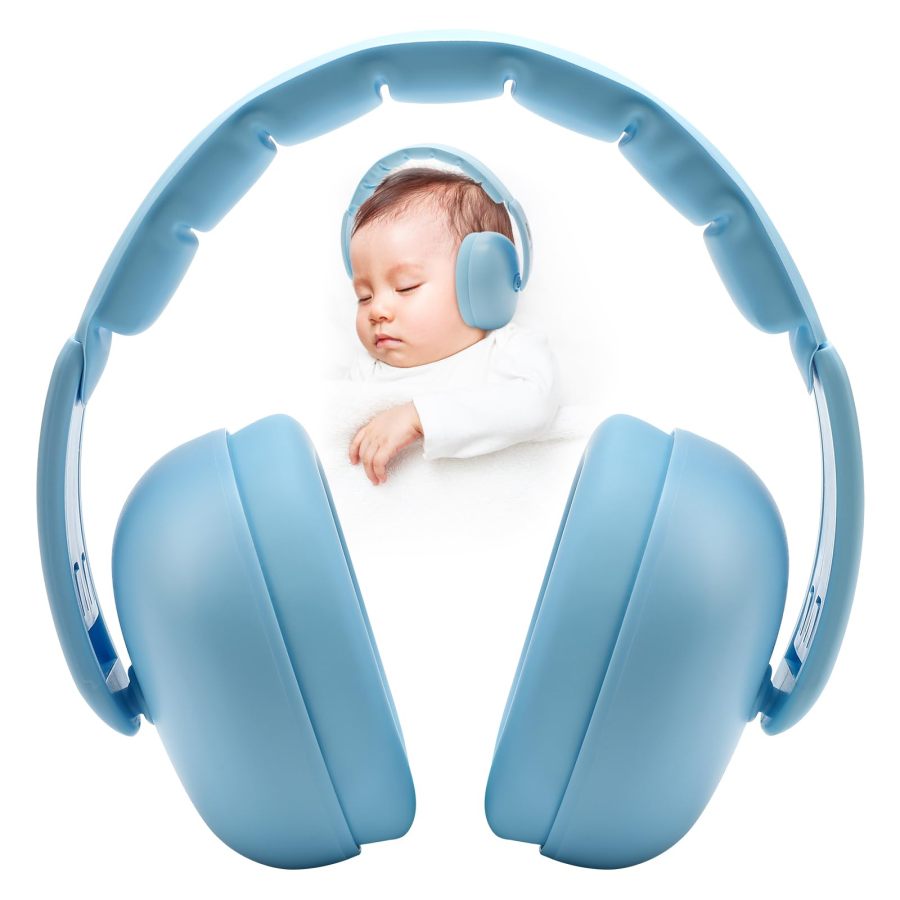
Baby hearing protection earmuffs are products specifically designed for infants aged 0-48 months. Their core function is to effectively reduce environmental noise to protect infants' sensitive hearing from damage and help them stay calm or fall asleep in noisy environments. These products generally emphasize lightweight design, adjustability, safe materials, and pressure-free wear around the infant's fontanelle, aiming to provide parents with peace of mind while enhancing the baby's wearing comfort. The following table illustrates the key characteristics of consumer behavior in this category.
| Dimension | Segment | Description |
|---|---|---|
| Need Driver Type | Planned Purchase / Emergency-driven Purchase | Parents typically purchase these in advance for specific noisy activities (e.g., travel, fireworks, concerts) but may also make emergency purchases due to daily noises (e.g., vacuum cleaners, sudden construction) causing discomfort to their baby. |
| Purchase Frequency | Low Frequency | Usually a one-time purchase, as a single product can last for several years until the baby outgrows it or the product is damaged. |
| Decision Complexity | Medium | Parents compare products based on noise reduction effectiveness, material safety, wearing comfort, and certification information, tending towards rational evaluation. |
| Price Sensitivity | Medium | While ensuring safety and effectiveness is paramount, parents show some price elasticity but also weigh value for money, avoiding excessive premiums. |
| Emotional Dependency | Medium to High | Parents purchase this product to protect their baby's hearing health, reduce crying, and provide peace of mind; emotional and safety values carry significant weight in the decision. |
II. User Personas & Usage Scenarios
2.1 Peace-of-Mind Traveling Families
🎯 Young parents who value parent-child experiences, actively participate in social and outdoor activities, wish for their baby to experience the world with them, while ensuring the baby's hearing safety and comfort.
| Typical Usage Scenarios | Core Pain Points | Primary Purchase Drivers |
|---|---|---|
|
|
|
2.2 Home-focused Quality Parents
🎯 Parents concerned about the impact of daily household noise on their baby's rest and mood, striving to create a quiet, comfortable living space for the baby.
| Typical Usage Scenarios | Core Pain Points | Primary Purchase Drivers |
|---|---|---|
|
|
|
III. User Needs Hierarchy (KANO Model)
3.1 Basic Needs (Must-Haves)
- Effective Noise Reduction: The earmuffs must significantly reduce environmental noise, meeting qualified NRR/SNR standards to effectively protect infant hearing; failure leads directly to returns.
- Safe Materials: Materials in direct contact with the baby's skin must be non-toxic, BPA-free, non-irritating, and certified by authoritative bodies to ensure no harm to the baby's health.
- Comfortable Fit: The design must fit the infant's head shape without pressing on the ears or open fontanelle, avoiding red marks or discomfort, ensuring the baby is willing to wear them.
3.2 Performance Needs (Linear Satisfiers)
- Secure Fit, No Slipping: Remains in place during baby movement or head turning, not easily slipping down over the eyes or face, ensuring continuous effective protection.
- Adjustability: Headband or earmuff size easily adjustable to fit different infant head circumferences across ages, enabling long-term use and avoiding frequent replacements.
- Lightweight: Lightweight earmuffs to reduce burden on the infant's head and neck, improving compliance and avoiding discomfort.
- Easy to Store and Carry: Design should facilitate folding or include a storage bag for easy portability and home storage, enhancing convenience.
3.3 Excitement Needs (Delighters)
- Multi-Mode Wear: Offering '2-in-1' designs like traditional headband and soft strap styles, increasing applicability and flexibility for different scenarios, e.g., lying down and sitting up.
- Stylish Appearance: Cute cartoon designs, rich colors, or prints that appeal to parental aesthetics, making the baby look adorable, increasing purchase appeal.
- Sleep Assistance: Beyond noise reduction, helping the baby feel more secure and relaxed, fall asleep faster, and maintain deep sleep, adding product value.
3.4 Unmet Needs & Opportunities
-
Prone to Slipping: Multiple users report the earmuffs slip easily during baby activity, especially the headband sliding to the eyes or forehead, affecting vision and comfort.
User Reviews (VOC) The headband slides down over the forehead and doesn't stay in place. // Customers have mixed experiences with the earmuffs' fit, with some finding them comfortable while others report they can be too tight, particularly noting that the strap must be really tight.
-
Difficulty Putting on Alone: Some designs make it challenging for one person to put the earmuffs on a squirming baby, requiring multiple attempts or two people, especially in urgent situations.
User Reviews (VOC) My only small complaint is getting them on. Trying to hold a squirming baby while positioning both ear cups and securing the velcro band by myself was a bit of a challenge. It took a couple of tries to get the fit just right so they wouldn't slip.
-
Discomfort When Lying Down: The thickness or shape of the earmuffs causes discomfort when the baby lies flat (e.g., in strollers, bassinets, or during plane naps), affecting rest quality.
User Reviews (VOC) It's good but I can't use it while my baby is lying down. // When he was resting his head on our shoulder, the headphones sometimes caused his head to tilt slightly because of their shape.
-
Inconvenient Cleaning/Maintenance: Some products require 'Dry Clean Only' or 'Hand Wash Only,' which is overly cumbersome and unhygienic for baby products prone to frequent soiling (e.g., spit-up, sweat).
User Reviews (VOC) Care instructions: Dry Clean Only. // Care instructions: Hand Wash Only.
IV. User Decision Drivers
4.1 Key Decision Factors
- Noise Protection Effectiveness: The actual noise reduction capability, including NRR/SNR values and user feedback, is the primary consideration for parents, directly impacting baby hearing health.
- Material Safety: Whether materials contacting the baby's skin are non-toxic, skin-friendly, and non-irritating, with relevant safety certifications, directly relates to baby health and is a parental baseline requirement.
- Wearing Comfort: Whether the earmuffs are soft, lightweight, and non-pressuring on the fontanelle and ears determines the baby's willingness to wear them long-term, affecting actual usage.
- Stability/Secure Fit: Whether the earmuffs stay in place during baby activity is key to ensuring protection and avoiding baby resistance, a major parental concern.
4.2 Secondary Decision Factors
- Ease of Adjustment: Whether headband size adjustment is quick and easy, adapting to the baby's rapid growth to avoid frequent replacements.
- Easy Cleaning and Durability: Whether the product is easy to clean daily, materials are durable enough for regular use and wear, impacting lifespan and hygiene.
- Portability: Whether the earmuffs are easy to fold and store, fitting into diaper bags or suitcases, meeting travel needs, enhancing parental convenience.
- Appearance/Design: Color, shape cuteness, alignment with parental aesthetics, or cartoon themes serve as purchase enhancers.
- Brand Reputation/Reviews: Reviews from other buyers and the brand's market reputation serve as important references, especially for safety-related products.
V. Selling Points & Competitive Landscape
5.1 Selling Point Analysis
5.1.1 Standard Features (Points of Parity)
- Effective Noise Reduction: Commonly emphasize 23-26.8dB NRR/SNR ratings as the core function for protecting baby hearing.
- Safe and Comfortable: Highlight BPA Free, non-toxic, skin-friendly materials, soft padding, pressure-free on fontanelle and ears, ensuring safe and comfortable wear.
- Adjustable Design: Emphasize suitability for a wide age range (0-36/48 months), adjustable headband, grows with the baby.
- Multi-Scenario Applicability: Promote use in various noisy environments like airplanes, fireworks, concerts, sports events, household noise.
- Lightweight and Portable: Focus on lightweight design and inclusion of a storage bag for easy travel and daily carrying.
- International Certifications: Mention CE, ANSI, CPC etc., to enhance credibility and alleviate parental safety concerns.
5.1.2 Key Differentiators
- 2-in-1 Wearing Modes: Offer both soft elastic strap and traditional hard headband options, increasing flexibility (e.g., Orzbow, PandaEar 2-in-1).
- Patented Design: Specific anti-slip straps, 360-degree rotating ear cups, or unique adjustment mechanisms (e.g., Alpine Muffy Baby's soft headband design), highlighting technical advantages.
- Brand Story/Experience: Some brands (e.g., Alpine) emphasize background like Dutch design, 25 years R&D experience, showcasing professionalism and trustworthiness.
- Special Needs Applicability: Explicitly mention suitability for children with sensory sensitivities (e.g., autism), providing focus assistance (e.g., ProCase).
- Themed Appearance: Cute cartoon prints (e.g., ProCase's Spider-Man), various fashionable color options, increasing visual appeal.
5.1.3 Unique Selling Propositions (USPs)
- Acoustically Optimized Design: Ear cups use materials like porous polyethylene acetate fiber and damping washers (e.g., B0C9F4FH4M) for specific acoustic attenuation, emphasizing professional noise reduction technology.
- Non-Total Sound Blocking: Emphasize reducing harmful noise while preserving some ambient sounds (e.g., parent's voice), avoiding complete isolation, balancing safety and communication (e.g., Dr.meter EM100).
- Steplessly Adjustable Headband: MAMAZING products use a fused headband for stepless adjustment, enabling more precise sizing, improving comfort and universality.
5.2 Competitive Landscape
5.2.1 Market Maturity
The baby hearing protection earmuff market has entered a mature stage, with highly homogenized product functions and core selling points. Competition primarily revolves around noise reduction effectiveness, comfort, safety certifications, and price. Differentiated user needs regarding wear experience details, such as stability and ease of single-person operation, remain insufficiently met by the market, leading to intense competition and pseudo-innovation.
5.2.2 Innovation Trends
Current innovation trends are mainly reflected in wearing mode flexibility (e.g., 2-in-1 designs), refined comfort optimization (e.g., pressure-free fontanelle design, more breathable materials), and improvements in product appearance and portability. Future developments may focus on more precise noise frequency management, smart wear reminders, designs better integrated with baby growth, while emphasizing ease of use and cleaning/maintenance.
VI. Marketing Claims vs. Reality Check
The table below analyzes the gap between common marketing claims and actual user experiences in this category:
| Dimension | Marketing Claim | User Reality | Verdict |
|---|---|---|---|
| Wearing Stability | Sellers commonly claim products feature 'anti-slip design' and 'secure fit,' ensuring the earmuffs stay in place during baby activity. | Numerous users report the headband easily slips onto the baby's face or eyes, especially for active infants; earmuffs are prone to falling off or shifting, requiring frequent adjustment. | A typical case of marketing language being disconnected from real-world dynamic usage scenarios, failing to effectively address the stability challenge for active babies, directly impacting the reliability of the core protective function. |
| Newborn Suitability | Multiple products claim 'Suitable for 0-36 months' or 'Perfect for newborns,' implying high universality. | Some users report the earmuffs are still too large or bulky for very small infants (e.g., 2-3 months), difficult to fit properly, potentially pressing on the head, causing discomfort. | Overlooks extreme variations in newborn head size, leading to an experience gap for the youngest users, reducing satisfaction and product applicability in this early stage. |
| Cleaning/Maintenance Convenience | Some listings imply 'easy to clean' or omit cleaning restrictions, but actual specifications or manuals instruct 'Dry Clean Only' or 'Hand Wash Only.' | Baby products get dirty easily (e.g., spit-up, sweat); frequent dry cleaning or hand washing is time-consuming, laborious, and unhygienic, severely conflicting with parental expectations for baby product cleanliness, adding usage burden. | Product design is disconnected from real parenting scenarios; cleaning methods are overly cumbersome, a common complaint and significant pain point during long-term use. |
Key Takeaway: The baby hearing protection earmuff market exhibits widespread exaggeration of experiential details and discrepancies between some functional claims and actual user perception. Sellers' core selling points are overly homogenized.
VII. Supply-Demand Misalignment Analysis
The table below highlights mismatches between seller focus and buyer priorities:
| Dimension | Seller Behavior | User Focus | Verdict |
|---|---|---|---|
| Wearing Stability & Anti-Slip | Generally emphasize 'powerful noise reduction,' 'safe wear,' but provide insufficient solutions or details for 'anti-slip,' or claims don't match actual performance. | Users strongly complain: 'headband always slips over baby's eyes,' 'falls off as soon as baby moves,' 'hard to secure' – these are key pain points affecting safety and experience. | Sellers have not treated anti-slip design as a core pain point for deep innovation and communication, leading to user doubts about core function reliability, a primary source of negative reviews. |
| Comfort When Lying Down | Generally promote multi-scenario applicability (e.g., travel, sleep), but few products explicitly optimize or describe comfort for babies lying flat in strollers, bassinets, or during plane naps. | Users explicitly state 'cannot use when baby lies flat,' 'earmuffs press against head,' limiting full application in crucial rest scenarios. | Sellers pay insufficient attention to detailed pain points in core baby rest scenarios, limiting full product application in important travel contexts, overlooking key user experience. |
| Single-Person Quick Application Experience | Most claim 'easy to put on,' but fail to provide innovative solutions or detailed guidance for the frequent yet challenging scenario of 'squirming baby + single-person operation.' | Users report 'hard to put on baby alone,' 'requires repeated adjustments to secure,' increasing the burden and frustration for new parents. | Seller understanding of 'ease of use' is superficial, failing to address the core friction points new parents face during actual operation, resulting in high product usability difficulty. |
Key Takeaway: Sellers over-compete on hard metrics like noise reduction strength while collectively neglecting key details affecting real-world experience, such as wearing stability and single-person operation ease, leading to supply-demand misalignment.
VIII. Strategic Opportunities & Recommendations
8.1 Innovative Anti-Slip & Quick Application Integrated Design
8.1.1 Target Audience & Pain Points
⚡️ Pain Points Addressed: Prone to slipping, difficulty putting on alone.
8.1.2 Action Plan
Develop next-generation high-friction coefficient anti-slip inner lining materials (e.g., skin-friendly silicone strips). Optimize the connection structure between headband and ear cups for better fit to infant head shape and reduced slipping. Design quick-buckle or magnetic connection methods to simplify application steps, enabling one-handed operation. Provide detachable, washable, easily replaceable components.
| Tech Complexity | Medium |
| Cost Impact | Medium Impact |
| Trade-off Warning | No significant physical side effects; primarily involves optimizing structure and materials. May slightly increase product volume but controllable. |
| Price Band | Only viable above $19.99 |
8.1.3 Marketing Strategy
Emphasize 'Say goodbye to slipping worries, stable as a shadow.' Use comparison videos to highlight 'One-second application with one hand, freeing parents' hands,' focusing on demonstrating stability and ease of use on active babies.
8.2 Flattened Design for Lying-Down Comfort
8.2.1 Target Audience & Pain Points
⚡️ Pain Points Addressed: Discomfort when lying down.
8.2.2 Action Plan
Redesign ear cup shape to allow the baby's head to relax naturally when lying flat without interference from the earmuffs, e.g., using ultra-thin streamlined or laterally offset ear cups. Optimize flexibility at the ear cup-headband junction to allow slight outward splay under pressure, reducing pressure on the side of the head.
| Tech Complexity | Medium |
| Cost Impact | High Impact |
| Trade-off Warning | Might sacrifice some extreme noise reduction requiring thicker ear cups. Need to balance noise reduction with flatness during design, potentially requiring more expensive acoustic materials. |
| Price Band | Only viable above $29.99 |
8.2.3 Marketing Strategy
Highlight 'Innovative flat design, worry-free lying down for baby.' Emphasize 'Quiet journey, sweet naps,' visually conveying scenes of babies sleeping comfortably on planes, in strollers, targeting high-end travel scenarios.
8.3 Ultimate Skin-Friendly Breathability & Easy-Clean Materials
8.3.1 Target Audience & Pain Points
⚡️ Pain Points Addressed: Heat and stuffiness in summer, skin discomfort; inconvenient cleaning/maintenance.
8.3.2 Action Plan
Adopt medical-grade silicone or new breathable memory foam for ear pads and headband liners. Add micro-pore design to promote air circulation, enhancing summer comfort. Develop detachable, machine-washable ear pads and headband covers to simplify daily cleaning, meeting parental demand for high hygiene standards.
| Tech Complexity | Low |
| Cost Impact | Medium Impact |
| Trade-off Warning | No significant physical side effects, but premium material costs will increase. |
| Price Band | Only viable above $18.99 |
8.3.3 Marketing Strategy
Emphasize 'Baby's skin can breathe, goodbye to stuffiness and red marks.' Highlight 'Easy to remove and wash, hygiene worry-free,' using real-scene images to demonstrate cleaning convenience, alleviating parental concerns.
8.4 Enhanced Visual Communication of Compliance & Safety Certifications
8.4.1 Target Audience & Pain Points
⚡️ Pain Points Addressed: Safety concerns, lack of trust threshold.
8.4.2 Action Plan
Prominently display all obtained international safety certifications (CE, ANSI, CPC, BPA Free, etc.) using clear graphics (e.g., certification green labels, certificate images) on product packaging, listing main images, detail pages, and A+ content. Ensure all electric/wireless products clearly mark FCC/UL/CE certifications.
| Tech Complexity | Low |
| Cost Impact | Low Impact |
| Trade-off Warning | No physical side effects; primarily involves marketing strategy adjustment and front-end display optimization. |
| Price Band | Only viable above $15.99 |
8.4.3 Marketing Strategy
Highlight 'Multiple International Certifications, Rigorous Standards Guarding.' Provide simple, understandable text explaining the specific meaning of these certifications for baby safety, thereby enhancing parental trust and purchase confidence, building a professional brand image.