Amazon US Market Analysis: Yoga Mats Category
📊 Executive Summary
📈 Market Trends
Portability and multi-functionality are basic requirements, but users focus more on core experience. The yoga mat market is highly mature, with consumers having clear demands for basic features like extra cushioning, slip resistance, and portability. However, the market has shifted from simple functional fulfillment to a pursuit of deeper user experience, becoming increasingly sensitive to details like material health safety, odor control, and slip resistance stability during sweating.
⚡ Major Pain Points
Odor retention and slip resistance degradation are core weaknesses. Despite widespread seller claims of 'non-toxic, eco-friendly' and 'non-slip,' users commonly complain about severe, lingering new mat odor and noticeable decline in slip resistance when sweaty or after prolonged use. These issues directly impact user experience and exercise safety. Additionally, the thickness-stability contradiction troubles users pursuing diverse workouts.
💡 Selection Opportunities
Deep dive into 'sweat-proof' grip and 'ready-to-use' odorless experience. Significant opportunities exist to establish differentiated competitive advantages by developing a 'sweat-proof' professional-grip yoga mat to solve the slip resistance pain point in sweaty conditions, and an 'ready-to-use' eco-friendly, odorless yoga mat to eliminate initial odor concerns. Furthermore, a 'modular' layered yoga mat can meet high-end user demand for customization and versatility, though cost and technical aspects require careful evaluation.
I. Analysis Overview
1.1 Introduction & Report Scope
This report analyzes the 'Mats' category (yoga mats) in the Amazon US market, focusing on target user personas, core needs, decision factors, market communication, and potential opportunities.
1.2 Category Snapshot
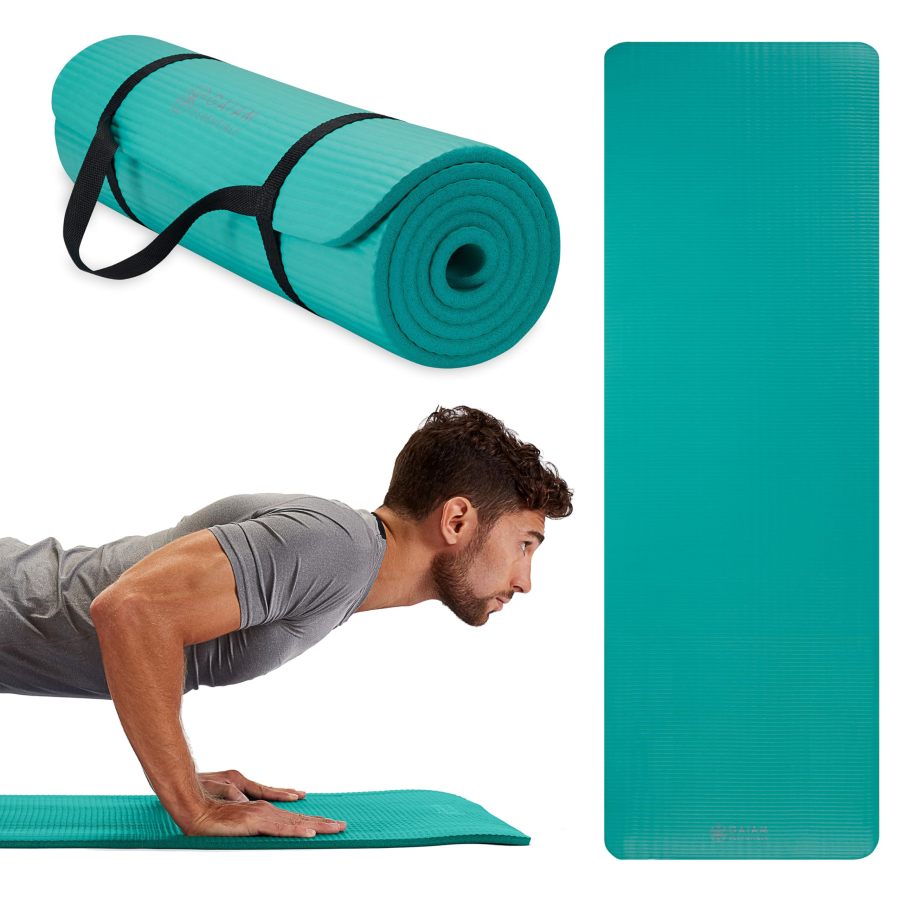
A yoga mat is a soft mat specifically designed for yoga, Pilates, stretching, and various ground-based fitness exercises. It provides cushioning to protect joints and typically features a non-slip surface for added stability. Available in various thicknesses, materials, and sizes-from thin and portable to thick and comfortable-yoga mats cater to different exercise intensities and user needs, making them essential for home and gym workouts. The following table illustrates the key characteristics of consumer behavior in this category.
| Dimension | Segment | Description |
|---|---|---|
| Need Driver Type | Planned Purchase/Habitual Purchase | Purchases typically stem from planned fitness needs (e.g., starting yoga, updating equipment). For long-term users, it becomes a habitual purchase for daily replacement or upgrades. |
| Purchase Frequency | Medium to Low Frequency | Yoga mats are durable goods with a replacement cycle ranging from several months to several years. Repurchase typically occurs only when the mat is severely worn or there is a specific functional need. |
| Decision Complexity | Medium | Consumers actively compare products based on thickness, material, slip resistance, durability, brand, and price. The decision-making process involves functional trade-offs and personal preferences. |
| Price Sensitivity | Medium | Price is an important consideration, but users are willing to pay a reasonable premium for better cushioning, slip resistance, and safe materials. |
| Emotional Dependency | Medium | While the product primarily meets functional needs, mats that offer comfort, safety, eco-friendliness, and enhance performance can provide a sense of security and self-satisfaction, leading to brand loyalty. |
II. User Personas & Usage Scenarios
2.1 Home Fitness Beginners / Basic Users
🎯 Ordinary users performing yoga, Pilates, stretching, or simple fitness exercises at home, seeking a comfortable experience and basic protection.
| Typical Usage Scenarios | Core Pain Points | Primary Purchase Drivers |
|---|---|---|
|
|
|
2.2 Advanced Yoga Practitioners / High-Intensity Athletes
🎯 Experienced athletes with a solid fitness foundation, pursuing professional performance and paying attention to product details and durability.
| Typical Usage Scenarios | Core Pain Points | Primary Purchase Drivers |
|---|---|---|
|
|
|
III. User Needs Hierarchy (KANO Model)
3.1 Basic Needs (Must-Haves)
- Basic Cushioning Protection: Provides sufficient thickness to effectively cushion body pressure on hard floors, protecting joints like knees, elbows, and spine.
- Basic Slip Resistance: Ensures the mat does not easily slip on dry surfaces, providing fundamental stability to prevent accidents.
- Non-Toxic Material: Product materials are free from harmful chemicals (e.g., BPA, phthalates) and are non-toxic and harmless to humans.
3.2 Performance Needs (Linear Satisfiers)
- Excellent Grip: Provides reliable non-slip grip in both dry and slightly damp conditions, especially important for users who sweat more from their hands.
- High Rebound and Support: The mat quickly rebounds after compression, providing stable support-comfortable yet not overly soft to affect balance.
- Durable and Tear-Resistant: Material withstands long-term, high-frequency use and stretching, resisting wear, cracking, or deformation, extending product lifespan.
- Easy to Clean and Maintain: Surface is water and sweat-resistant, easy for daily wiping and cleaning, and resistant to bacteria or lingering odors.
- Lightweight and Portable: Easy to roll up and carry, often with a carrying strap, convenient for use in different rooms at home or for transport to the gym/outdoors.
3.3 Excitement Needs (Delighters)
- Eco-Friendly/Recyclable Materials: Uses natural rubber, TPE, or other eco-friendly/recyclable materials, reducing environmental impact and enhancing brand image and user identification.
- Unique Design and Colors: Features fashionable patterns, textures, or vibrant colors that can motivate users to exercise and showcase personal style.
- Innovative Sweat-Resistant Technology: Surface material has moisture-wicking or quick-drying properties, maintaining a dry, non-slip surface even during heavy sweating.
- Multi-Functional Alignment Lines: The mat surface is printed with body alignment guides to help users correct their posture, enhancing the professionalism of yoga practice.
3.4 Unmet Needs & Opportunities
- Odor Retention After Long-Term Use: Despite claims of being odorless or having dissipating smells, some users report lingering sweat or other unpleasant odors after long-term use, which are difficult to remove even after cleaning.
- Decline in Slip Resistance Over Time: New mats have good slip resistance, but after a period of use, especially when sweaty, the performance noticeably declines, leading to slipping and affecting workout safety.
- Contradiction Between Thickness and Stability: Users seeking ultimate comfort choose thick mats but find that some poses (e.g., balance poses) lack stability due to excessive softness; conversely, thin mats are stable but offer limited cushioning.
- Inconvenient Drying After Cleaning: While easy to clean, thicker mats are difficult to dry quickly after washing. Prolonged dampness can promote bacterial growth or cause odors.
IV. User Decision Drivers
4.1 Key Decision Factors
- Comfort and Joint Protection: Whether the mat provides sufficient cushioning to effectively reduce pressure on joints during exercise is the primary consideration for users.
- Slip Resistance and Stability: Whether the mat stays firmly in place and does not slip during exercise directly impacts user safety and experience fluidity.
- Material Safety and Odor: Whether non-toxic, eco-friendly materials are used, free from irritating odors, is a basic user requirement for health and peace of mind.
4.2 Secondary Decision Factors
- Durability and Tear Resistance: Whether the mat is long-lasting and can withstand daily use and wear is an important metric for users evaluating cost-effectiveness.
- Portability and Storage: The mat's weight, ease of rolling, and inclusion of a carrying strap determine user convenience for transport and storage.
- Ease of Cleaning: Whether the product is convenient for daily wiping and cleaning, maintaining hygiene and reducing maintenance burden.
- Size and Thickness Options: Availability of sizes suitable for the user's height and exercise habits, as well as thickness options that meet cushioning needs.
- Brand and Price: Well-known brands typically offer a certain level of quality assurance. Price becomes a key filtering factor after core needs are met.
V. Selling Points & Competitive Landscape
5.1 Selling Point Analysis
5.1.1 Standard Features (Points of Parity)
- Extra-Thick Cushioning: Commonly emphasizes providing ½-inch or thicker foam material to effectively reduce joint pressure and increase exercise comfort.
- Non-Slip Surface: All products claim to have a textured or specially treated non-slip surface to ensure stability and safety during exercise.
- Durable Material: Highlights that the material is sturdy and durable, suitable for frequent daily use, and resistant to wear or tearing.
- Non-Toxic/Eco-Friendly Material: Most products claim to be free from harmful substances like BPA, phthalates, heavy metals, and latex.
- Easy to Clean: Promotes that the mat surface is easy to wipe clean with soapy water, facilitating daily maintenance and hygiene.
- Includes Carrying Strap: Most products include a nylon or Velcro carrying strap for easy rolling and transport of the yoga mat.
5.1.2 Key Differentiators
- Extreme Thickness Options: Some brands (e.g., Retrospec) offer 1-inch ultra-thick mats targeting users needing maximum cushioning and support.
- Special Surface Textures: Beyond basic textures, some mats emphasize 'ribbed' designs for superior grip or tactile feel.
- Low-Odor Materials: Some products (e.g., Gaiam Essentials) specifically highlight the use of low-odor materials to address the new mat smell issue.
- Lightweight Design: Brands like Gaiam emphasize lightweight products for easy portability, claiming durability even with thinner materials.
- Additional Bonuses/Content: Gaiam products include downloadable free yoga classes, adding product value and user engagement.
5.1.3 Unique Selling Propositions (USPs)
- Multi-Scenario Versatility Claims: Gaiam Essentials markets its mats not just for yoga but also for physical therapy, standing desk mats, children's play areas, and pet training.
5.2 Competitive Landscape
5.2.1 Market Maturity
The yoga mat category has reached a high level of market maturity. Basic functions (e.g., cushioning, slip resistance, easy cleaning) are now industry standards. Competition is intense, with brands seeking differentiation primarily through thickness options, material optimization, eco-friendly concepts, design aesthetics, and value-added services. Consumer expectations have risen beyond basic functionality, now demanding detailed experience and personalized fit.
5.2.2 Innovation Trends
Innovation trends include: Material Upgrades, such as exploring more eco-friendly, sweat-absorbing, or quick-drying materials; Multi-Functionality and Cross-Scenario Application, expanding yoga mats into broader home fitness and daily use scenarios; Balancing Comfort and Stability, developing mats that offer deep cushioning without compromising balance; and User Experience Optimization, addressing pain points like odor and inconvenient cleaning/drying.
VI. Marketing Claims vs. Reality Check
The table below analyzes the gap between common marketing claims and actual user experiences in this category:
| Dimension | Marketing Claim | User Reality | Verdict |
|---|---|---|---|
| Material Safety and Odor | Products claim to be 'non-toxic,' 'free from BPA, phthalates, heavy metals, and latex,' and 'low odor' or 'harmless odor.' | Numerous user reviews report strong, irritating odors from new mats requiring prolonged airing-out; some Gaiam products even have user feedback mentioning 'cancer-causing' warnings on packaging. | Sellers emphasize 'non-toxic and eco-friendly' in marketing but fail to effectively control initial odor, even encountering contradictory cancer warnings. This severely erodes consumer trust in health and safety promises, creating a critical conflict between consumer perception and actual product experience. |
| Slip Resistance Performance | Commonly claims 'non-slip surface,' 'excellent grip,' ensuring stable, safe exercise and preventing injury. | Multiple users report mats still slipping when sweaty or on certain surfaces, particularly during high-intensity or dynamic yoga, leading to instability. | Seller claims about slip resistance are overly optimistic, failing to address real user needs in damp or high-intensity scenarios. This causes core safety promises to fall short in actual use, posing potential exercise risks. |
| Durability | Claims 'thick, durable material,' 'tear-resistant,' suitable for daily use. | Some users report mats tearing easily, wearing out, or developing indentations after some use, especially with one-inch or half-inch thick foam mats, leading to polarized durability reviews. | Thick foam mats provide comfortable cushioning, but their inherent material properties may sacrifice some tear and wear resistance. Sellers fail to adequately balance this physical trade-off in their claims, leading to inflated user expectations for durability. |
Key Takeaway: The market suffers from widespread parameter inflation and marketing communication blind spots, particularly regarding material safety, slip resistance performance, and initial odor. There is a significant gap between seller claims and actual user experience.
VII. Supply-Demand Misalignment Analysis
The table below highlights mismatches between seller focus and buyer priorities:
| Dimension | Seller Behavior | User Focus | Verdict |
|---|---|---|---|
| Initial Odor Handling | Sellers commonly describe 'initial odor' as 'harmless' and something that 'dissipates,' lacking proactive solutions or commitments, merely instructing users to handle it themselves. | Users strongly complain about severe new mat odor, impacting unboxing experience and immediate willingness to use. This is a high-frequency negative feedback point. | Sellers fail to fully understand that the user's psychological expectation for 'non-toxic and eco-friendly' is 'odorless,' not 'harmless but smelly.' This approach creates a significant user experience gap, a classic case of neglecting the need for health and peace of mind. |
| High-Intensity/Wet Condition Slip Resistance | Commonly promotes 'non-slip surface,' but content mostly focuses on basic slip resistance in dry environments, rarely mentioning or demonstrating actual anti-slip performance during sweating or high-intensity dynamic movements. | Advanced users complain about mats still slipping when sweaty or during difficult poses, directly impacting exercise safety and performance-a core, unaddressed pain point. | Seller communication on slip resistance remains generic, failing to deeply explore and solve the real user pain point for grip in extreme scenarios, losing trust among the high-end user segment. |
| Multi-Functionality (e.g., Extra Bonuses) | Some brands emphasize free yoga classes or multi-scenario versatility (e.g., therapy, children's area) as selling points. | Users care more about the mat's core performance (slip resistance, comfort, odor-free, durability). Attention to extra bonuses or non-core scenarios is low, or their added value is perceived as limited. | Sellers invest in added value and scenario expansion but fail to prioritize solving core product pain points, leading to resource dispersion and less effective outcomes than strengthening the foundational experience. |
Key Takeaway: Sellers generally fail to effectively address the user's top concerns-initial odor and long-term slip resistance degradation-while over-investing in marketing relatively minor details or generic features.
VIII. Strategic Opportunities & Recommendations
8.1 "Sweat-Proof" Professional-Grip Yoga Mat
8.1.1 Target Audience & Pain Points
⚡️ Pain Points Addressed: Decline in slip resistance over time; slipping due to sweat.
8.1.2 Action Plan
Adopt natural rubber, PU (polyurethane), or innovative composite materials to provide exceptional wet-condition slip resistance and moisture-wicking properties. Develop unique surface textures to enhance grip in both dry and wet conditions.
| Tech Complexity | Medium |
| Cost Impact | High Impact |
| Trade-off Warning | Using superior grip materials (e.g., natural rubber or high-tech PU) may increase product weight or cleaning requirements but can significantly enhance slip resistance. |
| Price Band | Only viable above $34.99 |
8.1.3 Marketing Strategy
Highlight the core value of 'Steady as a rock, even when sweating profusely.' Demonstrate superior anti-slip effects through high-intensity or hot yoga scenarios. Emphasize 'professional-grade grip' and 'sweat-proof experience.'
8.2 "Ready-to-Use" Eco-Friendly, Odorless Yoga Mat
8.2.1 Target Audience & Pain Points
⚡️ Pain Points Addressed: Initial odor issue; concern over material odor; odor retention after long-term use.
8.2.2 Action Plan
Select TPE or natural rubber materials with strict eco-certifications (e.g., SGS, RoHS), ensuring odorless treatment throughout the entire production and packaging process. Consider including activated charcoal packets or scented sachets in packaging to further enhance unboxing experience.
| Tech Complexity | Medium |
| Cost Impact | Medium Impact |
| Trade-off Warning | High-quality, odorless eco-friendly materials (e.g., food-grade TPE or natural rubber) are more costly, potentially increasing product price, but have no significant physical side effects. |
| Price Band | Only viable above $29.99 |
8.2.3 Marketing Strategy
Emphasize 'Ready to use out of the box, no waiting for odors to fade.' Promote 'Baby-safe materials for peace of mind with every breath.' Display eco-certification logos to build trust.
8.3 "Modular" Layered Yoga Mat
8.3.1 Target Audience & Pain Points
⚡️ Pain Points Addressed: Contradiction between thickness and stability; difficulty balancing cushioning and stability.
8.3.2 Action Plan
Design a detachable, layered yoga mat, e.g., a thin, non-slip base layer paired with a thick cushioning layer, connected securely via Velcro or snap buttons. Users can freely combine layers based on exercise type (use thin mat for standing/balance poses, thick mat for kneeling/support poses).
| Tech Complexity | Medium |
| Cost Impact | High Impact |
| Trade-off Warning | Layered design requires more precise connection mechanisms and molds, potentially increasing structural complexity, cleaning difficulty, and initial costs. |
| Price Band | Only viable above $49.99 |
8.3.3 Marketing Strategy
Promote 'One mat, multiple uses-control your thickness.' Demonstrate different combinations through images/videos for various scenarios. Emphasize 'Professional, customizable experience' and 'Adapts to all exercise needs.'