Amazon US Market Analysis: Drone Propeller Guards Category
📊 Executive Summary
📈 Market Trends
Intense Homogenized Competition, User Focus on Core Experience. The drone propeller guard market is mature, with product functions and selling points becoming standardized. Consumers generally seek lightweight, quick-release products with minimal impact on flight performance. However, the market has entered a price-sensitive zone, making differentiated innovation key to breaking out.
⚡ Major Pain Points
Poor Fit, Easy to Break, Flight Interference are Critical Flaws. User dissatisfaction centers on the mismatch between claimed compatibility/durability and actual experience, leading to installation difficulties and fragility. More critically, most products disable drone obstacle avoidance and impact flight stability, severely compromising user safety and trust.
💡 Selection Opportunities
Return to the Essence of Protection, Enhance User Trust. Product selection opportunities lie in addressing core user demands for 'precise fit', 'sturdy durability', and 'no impact on flight performance (especially obstacle avoidance)'. We recommend investing in higher-quality molds and materials and being transparent about product impact on drone performance. Simultaneously, explore niche scenarios like full-coverage protection and comprehensive user guidance to build brand reputation and market advantage.
I. Analysis Overview
1.1 Introduction & Report Scope
This report analyzes the 'Helicopters' category (Drone Propeller Guards) in the US Amazon market, focusing on target user personas, core needs, decision drivers, market communication, and potential opportunities.
1.2 Category Snapshot
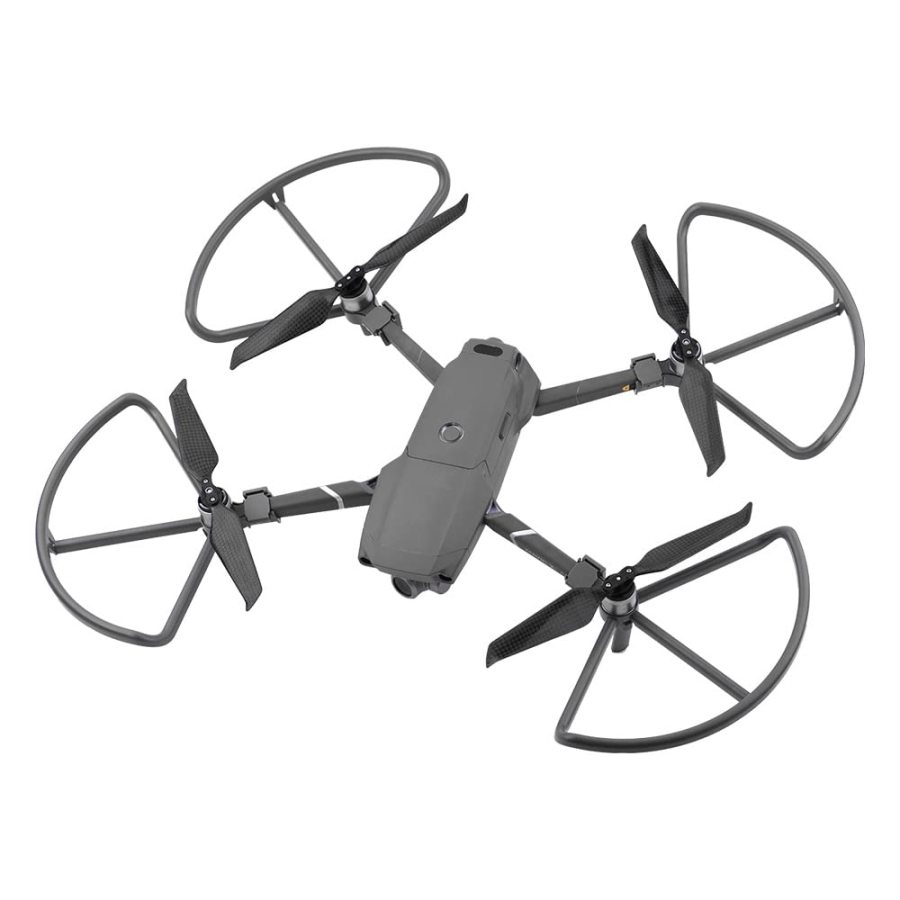
A drone propeller guard is a protective accessory specifically designed for remote-controlled drones. Its purpose is to isolate the high-speed rotating propellers, preventing collisions with obstacles, people, or animals during flight, thereby protecting the drone itself and the surrounding environment. Products in this category typically feature lightweight designs and quick-release structures to adapt to different flying scenarios, making them a common choice for drone beginners and indoor flight enthusiasts. The following table illustrates the key characteristics of consumer behavior in this category.
| Dimension | Segment | Description |
|---|---|---|
| Need Driver Type | Planned Purchase / Emergency-driven Purchase | Primarily driven by the need to prevent collisions and protect the drone and personal safety, especially during the learning phase or for specific scenarios, making it a planned purchase. Replacement due to damage of existing parts falls under emergency-driven purchase. |
| Purchase Frequency | Low Frequency / Replacement | Typically purchased together with the drone body or as a replacement for damaged/worn accessories; does not possess high repurchase attributes. |
| Decision Complexity | Medium | Users need to consider compatibility, installation convenience, protection effectiveness, and impact on flight performance, requiring some information comparison and evaluation. |
| Price Sensitivity | Medium to High | As a functional accessory, price is a significant consideration. Users have high demands for value-for-money and actual protection effectiveness, with low tolerance for inferior quality. |
| Emotional Dependency | Low | The product is primarily based on functionality and practical value. Emotional value is attached to the drone body itself, not the guard, though it can provide a sense of security. |
II. User Personas & Usage Scenarios
2.1 Drone Beginner / Novice
🎯 New to drone flying, inexperienced with operation, worried about damaging the drone or injuring others due to pilot error.
| Typical Usage Scenarios | Core Pain Points | Primary Purchase Drivers |
|---|---|---|
|
|
|
2.2 Professional / Specialized Scenario Pilot
🎯 Pilots with some experience who need to perform precise operations in complex or confined environments (e.g., indoor events, close-range filming, obstacle navigation).
| Typical Usage Scenarios | Core Pain Points | Primary Purchase Drivers |
|---|---|---|
|
|
|
III. User Needs Hierarchy (KANO Model)
3.1 Basic Needs (Must-Haves)
- Precise Compatibility: The guard must perfectly fit the specific drone model, without looseness or interference with other components, ensuring stable installation.
- Easy Installation: Features a quick-release design for easy installation and removal without professional tools, saving user time.
- Basic Protection: Effectively isolates propellers, preventing them from hitting hard objects or scratching people, providing core protection.
- Lightweight Design: Added weight should be minimal to avoid significantly impacting the drone's flight performance and maintain handling.
3.2 Performance Needs (Linear Satisfiers)
- Durable & Sturdy: Uses high-toughness, impact-resistant materials capable of withstanding multiple minor collisions without damage or deformation, extending product life.
- No Impact on Flight Performance: After installation, the drone's flight time, stability, and handling should not show noticeable decline, maintaining a good experience.
- No Obstacle Avoidance Interference: The guard should not block or interfere with the drone's own visual or infrared obstacle avoidance sensors, ensuring intelligent functions work normally.
- 360° Full Protection: Provides wraparound protection, effectively covering all directions where propellers might contact objects, offering more comprehensive safety.
- Integrated Aesthetics: Design should harmonize with the drone's style, not appearing clunky or out of place, maintaining visual appeal.
3.3 Excitement Needs (Delighters)
- Integrated Storage Solution: Foldable or modular design for easy portability and storage, possibly including a custom storage bag or straps for added convenience.
- Optimized Aerodynamics: While providing protection, reduces wind drag through optimized design, improving flight efficiency or wind resistance.
- Enhanced Flight Feel: Even with added weight, somehow makes the drone feel more stable or 'solid' to control, boosting pilot confidence.
- Night Flight Safety: Integrated LED light strips to improve visibility and safety during night flights, expanding usage scenarios.
3.4 Unmet Needs & Opportunities
-
Poor Product Fit: Some products, despite claiming compatibility, are difficult to install or not secure enough, exhibiting looseness or jamming.
User Reviews (VOC) Prop guard cover won't snap close. // Latches do not work securely. // Incorrect size for the Mavic Pro Platinum // The rear guards dont fit, will not snap lock!!
-
Insufficient Durability: User feedback indicates some products are made of fragile material, breaking upon minor impact, contradicting claims of 'high toughness'.
User Reviews (VOC) Cheaply made and only covers the underside of the propellers. // Brittle cheap material cracked with a very light impact // Weak product // Came off and destroyed drone
-
Impact on Sensors: Many users complain that after installing guards, the drone's obstacle avoidance sensors are disabled, or flight stability significantly deteriorates.
User Reviews (VOC) the drone does detect the Prop Guards are installed and does then disable Object Detection. // it does cause the drone to not fly as straight sometimes and makes the flight a littler choppier // when the Propeller Schutz montiert ist sind die Abstandsensoren deaktiviert.
-
Missing Packaging & Instructions: Some products lack clear installation instructions or have poor packaging, negatively impacting the initial user experience.
User Reviews (VOC) no user manual // ohne Montage Anleitung...!!!!!
-
Insufficient Top Protection: Most products only provide side protection, lacking protection against accidental drops from above or top collisions.
User Reviews (VOC) No coverage from the top. // Von oben wird kein Schutz geboten.
IV. User Decision Drivers
4.1 Key Decision Factors
- Compatibility with Drone Model: The user's primary concern. Must ensure the guard perfectly fits their specific drone model; improper fit renders it useless.
- Actual Protection Effectiveness: Core requirement: whether it effectively prevents propeller damage during minor collisions and avoids harm to surrounding objects and people.
- Ease of Installation & Removal: Users prefer tool-free, quick-snap installation that doesn't damage the drone body, seeking an efficient experience.
4.2 Secondary Decision Factors
- Product Material & Durability: Desire for sturdy, resilient products that are durable, not prone to breaking or deforming, enhancing lifespan.
- Impact on Flight Performance: Concern about whether it significantly adds weight reducing flight time, or affects flight stability and handling experience.
- Obstacle Avoidance Sensor Interference: For drones with intelligent obstacle avoidance, users are very concerned if the guard will disable this function.
- Brand Reputation & Reviews: Users reference other buyers' actual use reviews, especially regarding fit, durability, and flight impact, as a key reference for purchase decisions.
V. Selling Points & Competitive Landscape
5.1 Selling Point Analysis
5.1.1 Standard Features (Points of Parity)
- Compatible with Specific Drone Models: Explicitly states support for DJI Mini, Mavic, Air series or specific drone models.
- Quick-Release Design: Highlights easy-to-install/remove snap-fit/clip structures for fast user operation.
- Effective Propeller Protection: Promotes the core functional benefit of preventing propeller collision damage and extending lifespan.
- Lightweight: Emphasizes low product weight, aiming not to overly burden the drone and maintain flight performance.
- ABS Material: Specifies the use of durable, high-toughness plastic material, implying product quality.
5.1.2 Key Differentiators
- 360° Full Protection: Offers wraparound protection, increasing coverage and reducing blind spots.
- Impact-Resistant / High Toughness: Emphasizes material sturdiness and collision resistance, enhancing product reliability.
- No Impact on Flight Performance: Promises no significant reduction in flight time or stability, addressing user concerns (though user feedback varies).
- One-Piece / Modular Design: Mentions a more stable connection structure or easier storage, optimizing user experience.
- Includes Storage Bag / Straps: Provides additional convenience accessories like a storage bag or propeller straps, adding value.
5.1.3 Unique Selling Propositions (USPs)
- 8-Piece Set with Spares: Some products offer an 8-piece set, providing ample spare parts to reduce the need for additional purchases.
5.2 Competitive Landscape
5.2.1 Market Maturity
Medium to High Maturity. The drone propeller guard market is relatively mature, with product functions and designs largely standardized. Most sellers focus their marketing on core protection features and compatibility with specific models. This has led to a high degree of market homogenization and intense price competition. Product innovation is more about incremental improvements than disruptive changes.
5.2.2 Innovation Trends
Current innovation trends mainly focus on more precise model compatibility, thinner yet stronger materials (e.g., PC+ABS composites), and more convenient quick-release mechanisms. Future development directions may include: better integration with drone obstacle avoidance systems to reduce functional interference; foldable or modular designs for improved portability; exploring more comprehensive top protection or more aesthetically pleasing, functional hidden protection solutions; and integrating smart features like low-battery warning lights or night navigation lights.
VI. Marketing Claims vs. Reality Check
The table below analyzes the gap between common marketing claims and actual user experiences in this category:
| Dimension | Marketing Claim | User Reality | Verdict |
|---|---|---|---|
| Material Toughness & Durability | High-toughness ABS material, sturdy and impact-resistant, effectively withstands collisions and friction. | Users widely report fragile, brittle product materials, easy-to-break clips, and damage from minor impacts, with some even finding stress marks right out of the box. | Sellers commonly claim high-toughness materials, but user feedback points to brittleness, fragile clips, and failure under minor impact, severely deviating from the core protection promise and damaging product trust. |
| Compatibility & Installation Security | Perfectly fits specific drone models, clip design is secure and won't fall off, easy installation. | Numerous users report difficult installation, clips that won't fully close, or guards that easily loosen and fall off during flight; some products have incorrect dimensions, preventing proper installation. | Sellers claim perfect compatibility and secure attachment, but widespread user feedback cites installation difficulties, poor clip fit, and size mismatches, preventing the core product value from being realized and posing potential safety hazards. |
| Impact on Flight Performance & Obstacle Avoidance Sensors | Ultra-lightweight design, does not affect drone flight time, stability, or normal flight. | Users commonly report unstable, choppy flight and significantly reduced battery life after installation. Most critically, it disables the drone's obstacle avoidance sensor function. | Sellers commonly promise no impact on flight performance and stability, but users widely report unstable flight, reduced battery life, and, most critically, the disabling of obstacle avoidance sensors. This constitutes functional deception, severely impacting user flight safety and experience. |
Key Takeaway: The market exhibits widespread parameter inflation and scenario-based experience exaggeration, particularly regarding material toughness, installation security, and impact on flight performance.
VII. Supply-Demand Misalignment Analysis
The table below highlights mismatches between seller focus and buyer priorities:
| Dimension | Seller Behavior | User Focus | Verdict |
|---|---|---|---|
| Real Flight Performance Impact & Obstacle Avoidance Function | Sellers commonly claim 'no impact on flight performance' but avoid or gloss over actual impacts like reduced battery life, unstable flight, and obstacle avoidance disabling. | Users strongly complain about poor flight stability and reduced battery life after installation. The disabling of obstacle avoidance sensors is a core pain point and safety hazard. | Sellers lack transparency on the flight performance impact users care most about (especially obstacle avoidance disabling), failing to address the core demand for safe flight, a key driver of negative reviews. |
| Material & Structural Durability | Commonly emphasize 'high toughness', 'sturdy and durable' materials but fail to deliver on product quality control promises, resulting in easily damaged products. | Users report products are fragile, clips are weak, and break after minor collisions, starkly contrasting with seller claims of reliability. | Sellers over-market material strength but cannot deliver on actual product durability promises, leading to widespread consumer skepticism about product reliability and undermining its core protective value. |
| Top Protection Design | Most products focus on side/wraparound propeller protection, generally neglecting protection against obstacles from above or impact from drops. | Users flying indoors or in scenarios with overhead obstacles desire more comprehensive protection, perceiving a vertical blind spot in current products. | The market generally overlooks user demand for top-side drone protection in specific vertical scenarios (e.g., indoor flight, drops), representing a functional blind spot and potential opportunity. |
Key Takeaway: Sellers collectively remain silent or downplay critical issues like flight performance impact (especially obstacle avoidance disabling) and product durability, while over-supplying basic features and less important add-ons, leading to a supply-demand mismatch.
VIII. Strategic Opportunities & Recommendations
8.1 High-Precision Fit & Reinforced Toughness Propeller Guard
8.1.1 Target Audience & Pain Points
⚡️ Pain Points Addressed: Poor product fit, insufficient durability.
8.1.2 Action Plan
Utilize high-precision molds to ensure perfect fit with drone models, eliminating looseness and jamming. Upgrade to high-toughness composite materials like PC+ABS, strengthen structural stress points to withstand multiple minor collisions without damage.
| Tech Complexity | Medium |
| Cost Impact | Medium Impact |
| Trade-off Warning | No significant physical side effects. Primarily optimizes structure and materials, may slightly increase mold costs. |
| Price Band | Only viable above $19.99 |
8.1.3 Marketing Strategy
Emphasize 'Precision Fit, Stable as Native'; build user trust by showcasing high-toughness material bend/impact test videos, providing detailed compatibility lists and non-damaging installation demos.
8.2 Obstacle Avoidance-Friendly Lightweight Propeller Guard
8.2.1 Target Audience & Pain Points
⚡️ Pain Points Addressed: Impact on sensors, degraded flight performance.
8.2.2 Action Plan
Redesign guard structure, optimizing sensor cutout placement and shape to ensure unobstructed sensor field of view. Employ aerodynamic optimization to minimize wind drag and impact on flight performance.
| Tech Complexity | Medium |
| Cost Impact | Low Impact |
| Trade-off Warning | Requires precise calculation and design to avoid blocking sensors while providing protection, potentially sacrificing some maximum protection area. |
| Price Band | Only viable above $16.99 |
8.2.3 Marketing Strategy
Highlight 'Smart Obstacle Avoidance Stays Active, Safer Flights'; provide demo videos showing obstacle avoidance functioning normally after installation; transparently communicate quantified impact on battery life and flight stability to earn user trust.
8.3 Full-Coverage, No-Blind-Spot Protective Cage
8.3.1 Target Audience & Pain Points
⚡️ Pain Points Addressed: Insufficient top protection, lack of confidence among novices.
8.3.2 Action Plan
Design a detachable or foldable 'full-cage' or 'half-cage' protective structure offering top, side, and even bottom protection. Consider integrating simple LED indicator lights for better night flight visibility.
| Tech Complexity | Medium |
| Cost Impact | High Impact |
| Trade-off Warning | Increases product weight and size, significantly impacting portability and battery life; may require additional support points on the drone body, imposing extra requirements. |
| Price Band | Only viable above $29.99 |
8.3.3 Marketing Strategy
Emphasize 'Ultimate Protection, Fearless of Collisions'; showcase product performance in simulated high-risk environments (e.g., drops, multi-angle collisions); highlight its unique value for teaching, children's experience, or specific operations.
8.4 Provide Comprehensive Installation Guides & Multi-Language Instructions
8.4.1 Target Audience & Pain Points
⚡️ Pain Points Addressed: Missing packaging & instructions.
8.4.2 Action Plan
Product packaging should clearly list contents and features, and include detailed, illustrated, multi-language (at least English, Spanish, German, French) installation manuals. Consider QR codes linking to online video tutorials.
| Tech Complexity | Low |
| Cost Impact | Low Impact |
| Trade-off Warning | No significant physical side effects, primarily increases design and printing costs. |
| Price Band | Only viable above $12.99 |
8.4.3 Marketing Strategy
Highlight 'Ready to Use, Hassle-Free Installation'; emphasize 'Dedicated Tutorials, Get You Started Easily', enhancing user perception of brand professionalism and thoughtful service.