Amazon US Market Analysis: Infant Teething Mittens Category
📊 Executive Summary
📈 Market Trends
Portability & Anti-Drop are Essential, Sensory Stimulation is Gaining Traction. The infant teething mittens market continues to grow. Parents highly focus on product safety, effectiveness in relieving teething discomfort, and the convenience of anti-drop design. Simultaneously, sensory stimulation features like crinkle paper and multiple textures are increasingly popular, indicating the product is moving towards functional integration and enhanced fun.
⚡ Major Pain Points
Size Fit & Wearing Comfort are Core Pain Points. Current products commonly suffer from vague applicable age descriptions and poor size fit, leading to baby discomfort or easy slipping off. Additionally, insufficient breathability of silicone mittens causing hand sweating, initial odor in some products, and durability concerns with internal structures all severely impact user experience and brand trust.
💡 Selection Opportunities
Deepen User Experience, Focus on Customization & Durability. Market opportunities lie in developing Multi-Size/Adjustable Breathable Teething Mittens to solve fit and overheating pain points; strengthening product internal structure to launch High-Durability Teething Mittens. Additionally, consider a Multi-Sensory Enlightenment Gift Set, combining early oral care to enhance product premium and gift appeal. Optimizing processes to Achieve Odor-Free High Cleanliness can effectively improve brand competitiveness.
I. Analysis Overview
1.1 Introduction & Report Scope
This report analyzes the 'Teethers' category (Infant Teething Mittens) in the Amazon US market, focusing on target user personas, core needs, decision drivers, market communication, and potential opportunities.
1.2 Category Snapshot
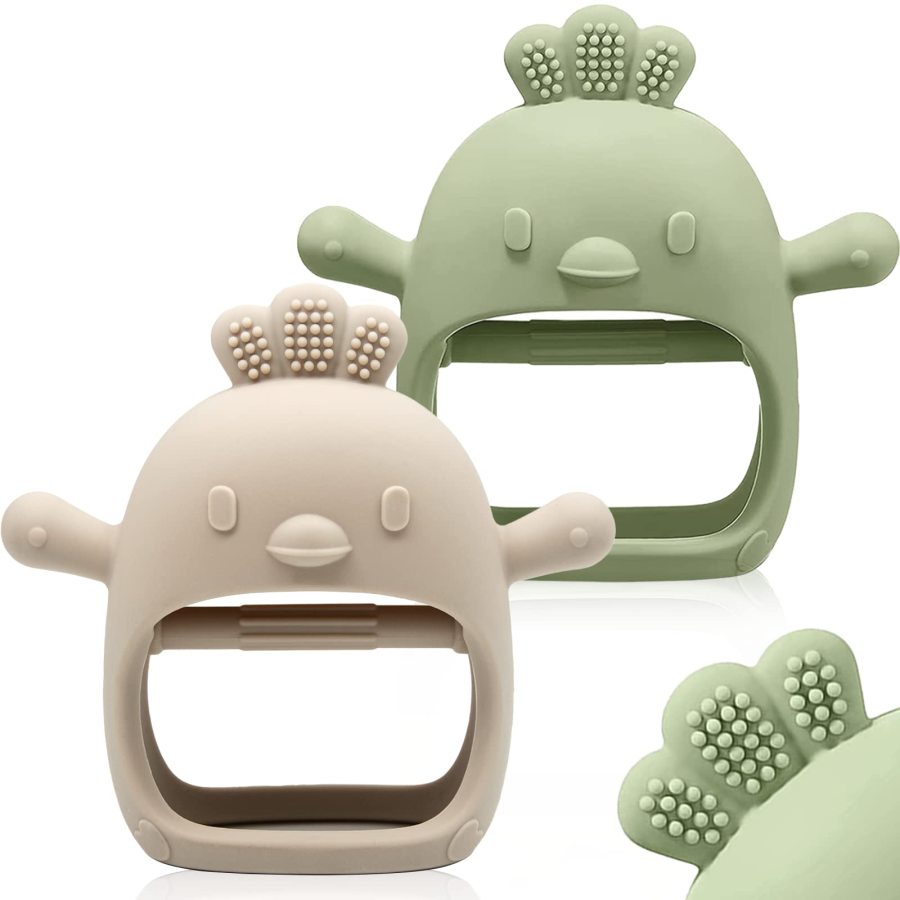
Infant teething mittens are wearable teethers designed specifically for teething babies, typically made from food-grade silicone. They aim to safely relieve gum discomfort through chewing. Their core advantage lies in the mitten or wristband design, which effectively prevents the teether from falling, maintains hygiene, and avoids babies chewing their fingers or scratching themselves. Some products also incorporate sensory stimulation features (e.g., crinkle paper). The following table illustrates the key characteristics of consumer behavior in this category.
| Dimension | Segment | Description |
|---|---|---|
| Need Driver Type | Emergency-driven / Planned Purchase | Purchases are often driven by the need to relieve a baby's sudden teething discomfort, but also include planned purchases for backup or as a newborn gift. |
| Purchase Frequency | Low | The product lifecycle is tied to the baby's teething period, typically involving a one-time or limited purchase, not a high-frequency repurchase item. |
| Decision Complexity | Medium | Consumers compare product safety, pain relief effectiveness, comfort, and price, but typically do not conduct deep, complex research. |
| Price Sensitivity | Medium | Price is an important consideration once core safety and effectiveness prerequisites are met. Value packs have an advantage, but consumers do not blindly pursue the lowest price. |
| Emotional Dependency | High | The product directly relates to the baby's comfort and health. Parents have extremely high emotional investment and expectations regarding quality and experience, with low tolerance for error. |
II. User Personas & Usage Scenarios
2.1 Anxious First-Time Parents
🎯 Facing their baby's teething phase for the first time, they worry about the baby chewing hands, teethers falling and becoming unhygienic, and urgently need a safe and effective soothing solution.
| Typical Usage Scenarios | Core Pain Points | Primary Purchase Drivers |
|---|---|---|
|
|
|
2.2 Quality & Convenience-Oriented Second-Time Parents
🎯 Have parenting experience, seeking a balance between product functionality, durability, and maintenance convenience to optimize the parenting experience.
| Typical Usage Scenarios | Core Pain Points | Primary Purchase Drivers |
|---|---|---|
|
|
|
III. User Needs Hierarchy (KANO Model)
3.1 Basic Needs (Must-Haves)
- Food-Grade Safe Materials: Product must use 100% food-grade silicone, free of BPA, lead, phthalates, and other harmful substances, and pass safety certifications like CPC, ensuring safety for baby's mouth.
- Effective Gum Discomfort Relief: The teether surface needs suitable chewing bumps or textures to effectively massage gums, soothe teething pain, and stimulate tooth eruption.
- Anti-Drop Design: Mitten-style or adjustable wristband design ensures the teether stays securely on the baby's hand, not easily falling, getting dirty, or lost.
- Easy to Clean & Sanitize: Product material should support machine washing, hand washing, boiling, steam sanitizing, or dishwasher cleaning, facilitating daily hygiene maintenance.
3.2 Performance Needs (Linear Satisfiers)
- Multi-Texture Design: Provides multiple chewing points with different textures (e.g., bumps, wave patterns, soft granules) to meet the baby's gum massage needs at different teething stages, increasing options.
- Ergonomic Fit: The mitten or wristband design should fit an infant's small hand structure, be comfortable to wear, not too tight or loose, allowing the baby to easily bring the teether to their mouth.
- Prevent Baby from Scratching/Chewing Hands: The mitten design effectively covers the baby's hand, preventing them from chewing fingers or scratching their face, protecting delicate skin.
- Lightweight & No Burden: The product is lightweight, not hindering the baby's hand movement when worn, allowing for long-term use without burden, improving acceptance.
3.3 Excitement Needs (Delighters)
- Built-in Crinkle Paper/Rattle Sound: Adding crinkle paper or materials that produce a soft rustling sound inside the product provides auditory stimulation when the baby chews or grasps it, increasing play interest and sensory exploration.
- Cute Cartoon Shapes: Designed as unique, cute animals (e.g., chicks, dinosaurs, rabbits) or cartoon characters, in vibrant or soft colors, more visually appealing, enhancing the baby's liking.
- Gift-Quality Packaging & Sets: Offers beautifully packaged sets suitable as newborn/full-month gifts or baby shower presents, or includes a 2-3 piece teether combo for easy replacement and gifting, enhancing gift value.
- Encourages Oral Exploration & Fine Motor Skills: The product design guides healthy chewing while also exercising the baby's grasping ability and hand-eye coordination during play, achieving learning through fun.
3.4 Unmet Needs & Opportunities
-
Poor Hand Breathability: Some mitten-style teethers may cause the baby's hand to sweat during prolonged wear, affecting comfort and potentially triggering eczema.
User Reviews (VOC) My baby's hand gets sweaty easily // It gets a little too hot inside for his hand
-
Insufficient Size Fit: Some products may be too large or fit poorly for younger babies, leading to easy slipping off or restricted movement, failing to achieve a snug fit.
User Reviews (VOC) It's a bit too big for my 3-month-old's hand // The strap doesn't tighten enough for tiny wrists
-
Initial Material Odor: A few silicone products may have a slight odor upon unboxing or after the first wash, affecting parental trust and raising safety concerns.
User Reviews (VOC) Had a slight plastic smell when first opened // Need to wash it multiple times to get rid of the odor
- Durability Concerns for Internal Support Structure: Some users mention potential risks of the internal support rod in some mitten teethers detaching or tearing, affecting long-term safety and durability.
IV. User Decision Drivers
4.1 Key Decision Factors
- Product Safety: Whether materials meet food-grade standards, are free of BPA and other harmful substances, and have no small part choking risk is the primary 'deal-breaker' for parents.
- Pain Relief Effectiveness: Whether the teether effectively soothes the baby's gum pain, calming the baby down, directly impacts the product's utility and parental anxiety relief.
- Ease of Independent Use by Baby: Whether the baby can easily grasp it, wear it stably, chew independently, and not drop it easily, directly impacts product efficiency and parental convenience.
- Cleaning & Hygiene Convenience: Whether the product is easy to wash and sanitize, effectively removing stains and bacteria, is a key daily maintenance consideration for parents, affecting willingness to use.
4.2 Secondary Decision Factors
- Product Design & Texture: Whether the appearance is cute and attracts the baby's attention, and whether it offers multiple textures to satisfy different gum massage needs, affects the baby's acceptance and interest.
- Wearing Comfort: The mitten's breathability, softness, and size fit ensure the baby feels comfortable during prolonged wear, reducing resistance.
- Durability & Quality: Whether the product can withstand the baby's prolonged chewing and repeated washing without deforming or damaging, affecting the perceived long-term value of the purchase.
- Value for Money & Sets: Whether the price is reasonable, and if multi-piece sets offer more economical and convenient options, especially for scenarios requiring replacement or gifting.
- Additional Sensory Stimulation: Whether it includes features like crinkle paper, high-contrast colors, etc., providing extra sensory experience and play fun for the baby, extending product appeal.
V. Selling Points & Competitive Landscape
5.1 Selling Point Analysis
5.1.1 Standard Features (Points of Parity)
- Food-Grade Silicone Material: Almost all products emphasize using 100% food-grade, BPA-free silicone to ensure safety. This is the market entry threshold.
- Relieves Teething Pain: Promoted as the core function by providing chewable textured surfaces to help soothe baby's gum discomfort, representing the category's core value.
- Anti-Drop Design: The mitten or wristband design is the core feature of the category. Sellers universally emphasize its advantage of preventing teether drops and maintaining hygiene.
- Easy to Clean: Support for various cleaning methods like dishwasher, boiling, steam sanitizing is a key selling point to reduce parental burden.
5.1.2 Key Differentiators
- Multiple Texture Chewing Points: Some products highlight having chewing points with different shapes and hardness to provide a more comprehensive, multi-directional gum massage experience.
- Built-in Crinkle Paper Function: Many mitten teethers incorporate crinkle paper or a rattle sound to attract the baby's attention, increasing interaction and play fun, extending usage time.
- Cute Animal/Cartoon Shapes: Unique shapes like chicks, dinosaurs, rabbits, cacti attract consumers, enhancing product fun and increasing gift appeal.
- Multi-Piece Sets: Offering 2- or 3-piece combos, emphasizing value for money, convenience for replacement, and value as a gift, meeting multi-scenario needs.
5.1.3 Unique Selling Propositions (USPs)
- Patent Design Emphasis: A few brands (e.g., Malarkey Kids) emphasize their product's patented design to build brand uniqueness and trust, differentiating from the market.
- Included Finger Toothbrush: Very few products include a finger toothbrush, combining teether function with early oral cleaning, providing added value and a complete solution.
- Highlighted Anti-Scratch Feature: Beyond chewing, some products specifically emphasize that their mitten design effectively prevents the baby from scratching their face, solving another common pain point and enhancing protective value.
5.2 Competitive Landscape
5.2.1 Market Maturity
The infant teething mittens category has reached a medium maturity stage. Core functionality and safety standards have become market consensus and entry thresholds. Product homogenization is relatively high. Competition mainly focuses on design details, additional sensory stimulation, and brand awareness.
5.2.2 Innovation Trends
Current innovation trends in the category are mainly reflected in the following aspects: First, improving product comfort and wearing experience, such as more precise size fit and better breathability. Second, integrating the single soothing function with multi-sensory stimulation, fine motor skill development, and even early oral care, evolving towards more comprehensive parenting tools. Third, exploring more fun, interactive appearance and functional designs while ensuring safety to extend product lifecycle and appeal.
VI. Marketing Claims vs. Reality Check
The table below analyzes the gap between common marketing claims and actual user experiences in this category:
| Dimension | Marketing Claim | User Reality | Verdict |
|---|---|---|---|
| Applicable Age Range | Claims the product is suitable for infants 0-3 months, 3-6 months, 6-12 months, or even 1+ years old. | Clear inconsistencies and contradictions exist in the descriptions of applicable age (e.g., "0-3", "3-6", "0-6", "3-12 months") across the listing title, bullet points, and specifications. User feedback indicates poor size fit for younger or older infants. | Sellers attempt to cover a broader age range to expand the market but lack rigorous validation and differentiation, leading to confusing information that may mislead consumers into buying unsuitable products, severely impacting user experience and trust. |
| Wearing Comfort & Stability | Claims ergonomic design, adjustable wristband, hollow/breathable structure ensure baby's comfort and secure, non-drop wear. | Users commonly report the mitten size being too large or small for some babies' hands; the wristband fails to secure effectively, leading to easy slipping off; feedback on hand sweating persists even with hollow designs. | Sellers overemphasize design advantages without fully addressing the inherent breathability limitations of silicone and variations in infant hand shapes. This causes the core "anti-drop" and "comfort" selling points to fall short in actual use, leading to user dissatisfaction. |
| Product Odor | Claims 100% food-grade silicone, odorless, non-toxic, eco-friendly. | Some users report a noticeable odor (e.g., plastic smell) upon unboxing, requiring multiple washes to remove. | Despite safety claims, the initial odor severely shakes consumer trust in the product being "odorless and non-toxic." Even if it doesn't affect health, it greatly damages the initial purchase experience and brand image. |
Key Takeaway: Marketing for infant teething mittens shows a common tendency towards vague applicable age ranges, exaggerated functional details, and downplaying or avoiding user experience pain points.
VII. Supply-Demand Misalignment Analysis
The table below highlights mismatches between seller focus and buyer priorities:
| Dimension | Seller Behavior | User Focus | Verdict |
|---|---|---|---|
| Wearing Size Fit | Sellers commonly emphasize "ergonomic design" and "adjustable wristband," implying broad adaptability, but lack specific size guidance or detailed differentiation for different age groups. | Users commonly complain the mitten is too large/heavy for younger babies, or the wristband is too tight/can't tighten enough, causing the teether to slip off easily and not stay secure. | Sellers fail to provide sufficiently refined solutions for the critical wearing experience. The claim of universality creates a significant gap with individual user differences, causing the core anti-drop value to fail. |
| Hand Breathability & Comfort | Some sellers mention "hollow design, breathable and dry" but do not highlight it as a core differentiator or provide sufficient evidence to support its breathability effect. | Users strongly report the baby's hand sweating and becoming damp during prolonged wear, affecting comfort and even raising concerns about skin issues. | Sellers have insufficient insight into users' deep comfort needs, treating breathability as a secondary feature. This leads to products failing to truly solve the high-frequency pain point of hand overheating, missing potential premium pricing opportunities. |
| Internal Structure Durability | Sellers commonly emphasize the "softness and durability" of food-grade silicone but rarely mention the specific design and tear resistance of the product's internal support structure. | Some users report instances of the internal support rod breaking or tearing, questioning the product's actual durability under prolonged chewing. | Sellers' promotion of "durability" is too vague. They fail to reinforce design and communication for the specific structural weaknesses of mitten-style products, leading to insufficient user confidence in long-term use. |
Key Takeaway: Sellers' promotions overemphasize basic safety and generic functions, while collectively neglecting or downplaying user concerns about core experience pain points like wearing comfort, size fit, and actual durability.
VIII. Strategic Opportunities & Recommendations
8.1 Multi-Size/Adjustable Breathable Teething Mittens
8.1.1 Target Audience & Pain Points
⚡️ Pain Points Addressed: Poor hand breathability, insufficient size fit, uncomfortable wear, or easy slipping off.
8.1.2 Action Plan
Develop size-specific versions (e.g., S/M/L) or adopt an innovative adjustable wristband system to ensure a perfect fit for different age groups. Use thinner, micro-porous silicone material and optimize the hollow design to maximize airflow, completely solving hand sweating.
| Tech Complexity | Medium |
| Cost Impact | Medium Impact |
| Trade-off Warning | Improving breathability or implementing size-specific designs may slightly increase mold costs and inventory management complexity, but has no negative impact on core functionality. |
| Price Band | Only viable above $12.99 |
8.1.3 Marketing Strategy
Emphasize "Custom Comfort, Enjoy Dry & Sweat-Free"; use comparison images to showcase the fit of different sizes/adjustment methods, highlight "Designed for Baby, Unnoticeable Wear, More Secure Anti-Drop"; leverage user testimonials to reinforce hand comfort experience.
8.2 Reinforced Internal Structure Durable Teething Mittens
8.2.1 Target Audience & Pain Points
⚡️ Pain Points Addressed: Durability concerns for internal support structure, perceived short product lifespan.
8.2.2 Action Plan
Redesign the internal support rod structure, using more flexible, tear-resistant reinforced silicone or embedding a food-grade PP skeleton. Optimize the connection process with the external silicone to ensure it resists damage from long-term chewing and pulling.
| Tech Complexity | Low |
| Cost Impact | Low Impact |
| Trade-off Warning | No significant physical side effects, mainly optimizing the connection method between structure and materials. |
| Price Band | Only viable above $9.99 |
8.2.3 Marketing Strategy
Highlight "Ultra-Durable Design, Fearless of Long-Term Chewing"; use structural diagrams to showcase the reinforced internal design; provide "Tear-Resistance Test" or certification/video of "No Damage from Long-Term Use" to strengthen confidence in product quality.
8.3 Multi-Sensory Enlightenment Teething Gift Set
8.3.1 Target Audience & Pain Points
⚡️ Pain Points Addressed: Insufficient long-term product appeal, lack of advanced sensory stimulation, single gift value.
8.3.2 Action Plan
Design a set containing 2 teething mittens (different textures/colors), plus 1 chillable silicone teether or 1 finger toothbrush, and 1 soft fabric crinkle ball with a safety strap. Use eco-friendly materials for gift box packaging, including a beautifully designed "Guide to Baby's Early Sensory Exploration & Oral Care."
| Tech Complexity | Medium |
| Cost Impact | Medium Impact |
| Trade-off Warning | Adding extra materials or modules may slightly increase product volume or weight, requiring a balance with portability. |
| Price Band | Only viable above $19.99 |
8.3.3 Marketing Strategy
Emphasize "More Than Just a Teether, It's Your Baby's Growth Companion"; highlight "Multi-Dimensional Sensory Stimulation, Sparking Exploration Potential"; position as "The First Comprehensive Growth Gift for Your Baby" to attract the gift market.
8.4 Odor-Free High-Cleanliness Silicone Teether
8.4.1 Target Audience & Pain Points
⚡️ Pain Points Addressed: Initial material odor, cleaning convenience still has room for improvement.
8.4.2 Action Plan
Adopt higher-purity, more advanced food-grade silicone production processes to eliminate odor at the source. Optimize product structure design to reduce cleaning dead spots, and include a dedicated cleaning brush or suggest more efficient cleaning methods (e.g., steam sanitizing).
| Tech Complexity | Low |
| Cost Impact | Low Impact |
| Trade-off Warning | No significant physical side effects, mainly optimizing production processes and material purity. |
| Price Band | Only viable above $8.99 |
8.4.3 Marketing Strategy
Emphasize "Pure & Odor-Free, Baby Chews with Peace of Mind"; display authoritative test reports proving material purity; highlight "All-Around Cleaning, No Residue Dead Spots, Mom Feels More Secure."