Amazon US Market Analysis: Kids Sunglasses Category
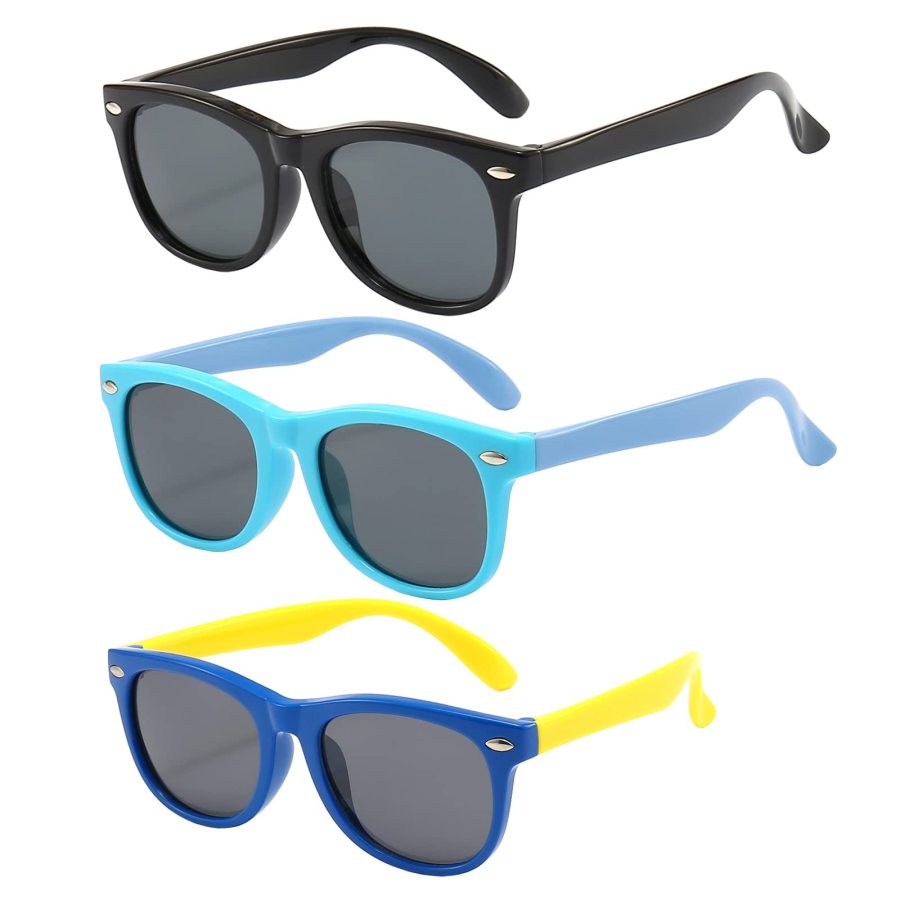
📊 Executive Summary
📈 Market Trends
Portability, durability, and multi-functionality are core trends; bundling sales strategies prevail. The kids sunglasses market is mature. Consumers universally demand UV protection, polarization, flexible/shatterproof materials, and wearing comfort. Multi-pack bundling and positioning as party gifts have become mainstream to meet parents' pursuit of value and convenience.
⚡ Major Pain Points
Lens detachment, inaccurate sizing, and easy scratching are critical flaws. Despite widespread seller claims of durable frames, users frequently report lenses popping out, severely impacting the user experience. Additionally, broad size applicability leads to poor actual fit, and easily scratched lenses affect product lifespan and visual clarity. These issues lower consumer trust and drive potential returns.
💡 Selection Opportunities
Deepen quality details to enhance real user experience. Market opportunities lie in solving consumer pain points regarding core product functionality (e.g., lens security) and experiential details (e.g., precise sizing, scratch resistance). Developing product lines focused on 'secure, non-detaching lenses' and 'high scratch-resistant lenses,' providing 'age-specific, precise size guidance,' and optimizing gift sets for both fashion and function can effectively achieve differentiation and brand premium.
I. Analysis Overview
1.1 Introduction & Report Scope
This report analyzes the 'Sunglasses' category (Kids Sunglasses) within the US Amazon marketplace, focusing on target User Personas, Core Pain Points, Decision Drivers, market communication, and potential opportunities.
1.2 Category Snapshot
Kids sunglasses are optical protection products designed for children aged 3-12. Their core function is to protect children's eyes from UV damage and glare. These products commonly emphasize flexible, shatter-resistant materials, comfortable wear, and stylish, diverse designs. Many are sold in bundles (e.g., multi-packs, with straps) to meet different scenario needs, such as daily outdoor activities, sports, travel, or as party gifts. The following table illustrates the key characteristics of consumer behavior in this category.
| Dimension | Segment | Description |
|---|---|---|
| Need Driver Type | Planned Purchase / Emergency-driven Purchase | Purchases are typically planned ahead for scenarios like family outdoor activities or travel, or are immediate, replenishment purchases triggered by lost/damaged items or party needs. |
| Purchase Frequency | Medium-Low / Seasonal | Typically purchased 1-2 times per year, with demand significantly increasing before summer, holidays, or special events. |
| Decision Complexity | Medium | Consumers compare different products based on UV protection, durability, comfort, and price but do not conduct in-depth research. |
| Price Sensitivity | Medium-High | Relatively high price sensitivity, especially considering that children's products are prone to damage/loss. Consumers seek high value-for-money and multi-packs. |
| Emotional Dependency | Medium | Purchase decisions balance the practical protection value (parents' focus) and the emotional value of style preference (children's focus). |
II. User Personas & Usage Scenarios
2.1 Pragmatic First-Time Parents
🎯 Prioritize children's eye health and safety, preferring kids sunglasses with reliable functionality, durable materials, and good reputation.
| Typical Usage Scenarios | Core Pain Points | Primary Purchase Drivers |
|---|---|---|
|
|
|
2.2 Fashion-Conscious Trendy Families
🎯 Beyond basic protection, they emphasize the fashion aspect and personal expression, viewing sunglasses as an accessory that enhances a child's outfit. They seek unique styles and rich color options.
| Typical Usage Scenarios | Core Pain Points | Primary Purchase Drivers |
|---|---|---|
|
|
|
2.3 Practical Bulk Buyers
🎯 Kindergarten teachers, party organizers, or large families needing large quantities of affordable, decent-quality, and varied kids sunglasses for group activities or gifts.
| Typical Usage Scenarios | Core Pain Points | Primary Purchase Drivers |
|---|---|---|
|
|
|
III. User Needs Hierarchy (KANO Model)
3.1 Basic Needs (Must-Haves)
- 100% UV Protection: Block UVA/UVB rays and harmful blue light to protect children's eye health. This is the most fundamental and critical function.
- Wearing Comfort: Lightweight design with frames that don't press on the nose or ears, ensuring children can wear them for extended periods without discomfort.
- Proper Fit for Children: Size must match a child's face shape-neither too large to slip off nor too small to pinch-ensuring a secure fit.
3.2 Performance Needs (Linear Satisfiers)
- Flexible, Shatter-Resistant Material: Use soft, non-shattering materials like TPEE or silicone that can withstand daily play, bending, and dropping, extending product life.
- Polarized Lenses: Effectively reduce glare, enhance visual clarity and contrast, especially in bright outdoor environments, reducing eye strain.
- Secure Wearing Design: Designed not to slip off easily, e.g., with adjustable head straps/bands or non-slip temple tips, accommodating active children.
- Aesthetic Variety: Offer multiple colors and styles (square, round, heart-shaped, sporty, etc.) to meet children's aesthetic preferences.
3.3 Excitement Needs (Delighters)
- Unique Shapes & Personalization: Feature unique or trendy designs like vintage styles, floral shapes, mirrored lenses, etc., making children feel 'cool' and 'special,' increasing willingness to wear.
- Additional Accessories: Include carrying cases, cleaning cloths, polarization test cards, etc., enhancing the user experience and perceived value.
- Multi-Function Combo Packs: E.g., mixed packs with different styles or colors, satisfying both practical needs and fashion coordination, offering more surprise and choice.
3.4 Unmet Needs & Opportunities
- Lenses That Don't Pop Out Easily: Many products have lenses that easily detach from the frame, causing inconvenience and safety hazards, severely impacting durability.
- Clear & Accurate Age/Size Guidance: Many products have broad age ranges that don't match actual sizes, leading users to find them too big or small upon arrival, affecting fit and comfort.
- Scratch-Resistant Lenses: Frequent and rough use by children leads to easily scratched lenses, significantly impairing visual clarity and product appearance, shortening lifespan.
IV. User Decision Drivers
4.1 Key Decision Factors
- Safety & UV Protection Efficacy: Parents' top concern is whether the sunglasses genuinely and effectively block UV rays and harmful blue light to protect their child's eye health. This is the primary purchase prerequisite.
- Durability & Damage Resistance: Considering children's active nature, the sunglasses' resistance to drops and bends is a key parental decision factor, directly impacting lifespan and purchase frequency.
- Wearing Comfort & Stability: Ensuring children are willing to wear them for long periods without pinching or slipping, facilitating smooth outdoor activities.
- Size Fit: Whether the sunglasses size fits the child's current facial dimensions determines the effectiveness of wear and protection.
4.2 Secondary Decision Factors
- Value for Money / Multi-Pack Value: Especially important for bulk purchases or easily lost items, multi-packs offer clear advantages and backup options.
- Appearance Design & Color: Whether the sunglasses are cute, stylish, match the child's taste, and offer rich color choices, increasing the child's willingness to wear and adding social appeal.
- Brand Reputation & Reviews: Judging product effectiveness and reliability through other parents' reviews and brand history to reduce purchase risk.
- Additional Accessories: Whether practical accessories like storage bags, straps, or gift packaging are included, enhancing product value and convenience.
V. Selling Points & Competitive Landscape
5.1 Selling Point Analysis
5.1.1 Standard Features (Points of Parity)
- 100% UV Protection / UV400 Protection: Nearly all products emphasize comprehensive protection against UVA/UVB rays and UV400, safeguarding children's eye health.
- Polarized Lenses: Most products claim polarized functionality to reduce glare and enhance outdoor visual clarity.
- Flexible / Shatterproof Material: Widely promoted use of soft, durable materials like silicone, TPEE rubber, or PP, emphasizing drop and bend resistance.
- Colorful / Cute Designs: Offer multiple colors and child-friendly styles, emphasizing fashion and personalization.
- Lightweight & Comfortable Wear: Generally emphasize lightweight design to ensure children can wear them comfortably for extended periods without burden.
- Suitable for Child's Age Range: Most products clearly state the suitable age range (e.g., 3-8 years, 2-10 years).
5.1.2 Key Differentiators
- Bundled Sales / Multi-Packs: Sold in sets of 2, 3, 6, 16, or even 24 pieces, emphasizing value for money and party use, meeting bulk demand.
- Unique Wearing Aids: Some products (e.g., RIVBOS) offer unique straps/bands, emphasizing secure fit and anti-loss features.
- Special Shape Designs: Heart-shaped, vintage square, or sporty styles serve as differentiated selling points attracting specific aesthetic preferences.
- Gift Sets: Emphasize included accessories like storage bags, cleaning cloths, or gift boxes, enhancing added value and gifting experience.
5.1.3 Unique Selling Propositions (USPs)
- High-Stress Resistance Testing: Few products (e.g., BEALER) mention withstanding extreme pressure tests like car rolling to highlight ultimate durability.
- Unique Iridescent Lenses: Few products (e.g., AILEHO) emphasize lenses with unique iridescent effects that change color under different light and angles, adding visual interest.
5.2 Competitive Landscape
5.2.1 Market Maturity
The kids sunglasses market has entered a mature stage with high functional homogenization. Core selling points like UV protection, polarization, and flexible, durable materials are now standard. Competition primarily revolves around pricing strategies (multi-pack bundling), segmentation in appearance design, and optimizing detailed experiences around core values like 'durability'.
5.2.2 Innovation Trends
Current innovation trends focus on enhancing product reliability and user experience in real-world usage scenarios. Examples include designs to prevent lens detachment, more precise size fit guidance, and improvements in material and lens scratch resistance. Simultaneously, developing more attractive, unique appearances and multi-functional gift sets aligned with children's preferences is an important differentiation direction.
VI. Marketing Claims vs. Reality Check
The table below analyzes the gap between common marketing claims and actual user experiences in this category:
| Dimension | Marketing Claim | User Reality | Verdict |
|---|---|---|---|
| Lens Security | SUPER CUTE AND COLORFUL DESIGN- Our sunglasses provide various color & styles assortment for parents to choose. Both boys and girls can find their suitable sunglasses in RIVBOS store. | Multiple users report lenses easily popping out of the frame, significantly impacting overall product durability and user experience. | Sellers overemphasize frame flexibility but overlook secure lens-frame integration, leading to easy detachment of a core component. This severely impacts actual use and product lifespan, a classic design trade-off failure. |
| Size Applicability | 适合3-8岁 / Age 2 to 10 / for boys and girls aged 3-12 | Some users report the size is too large for younger toddlers (2-3 years) or too small for older children (e.g., 7-8 years), deviating from the advertised age range. | Sellers provide broad age ranges to expand the target audience but fail to offer precise size guidance. This leads to a severe mismatch between user expectations and actual fit, increasing purchase decision risk and return rates. |
| Lens Scratch Resistance & Care | 优质耐用材料 / UV400 shatterproof polarized lenses | RIVBOS officially advises against using tissues, clothing, or household cleaners on the lenses. Users also mention lenses are relatively prone to scratching, presenting overly high care requirements and insufficient actual wear resistance for a children's product. | Despite claims of premium materials, the lenses lack sufficient scratch resistance and have overly demanding care instructions. This severely misaligns with the usage scenarios and behavioral habits for children's products, affecting long-term clarity and user satisfaction. |
Key Takeaway: The kids sunglasses market exhibits widespread marketing exaggeration, particularly regarding product durability, size applicability, and functional details, showing a significant gap with user reality.
VII. Supply-Demand Misalignment Analysis
The table below highlights mismatches between seller focus and buyer priorities:
| Dimension | Seller Behavior | User Focus | Verdict |
|---|---|---|---|
| Lens Security vs. Frame Flexibility | Commonly emphasize frames made of 'soft silicone and unbreakable material,' 'flexible and anti-break,' repeatedly promoting high durability. | Users commonly report 'lenses easily pop out of the frame,' a frequently occurring functional defect severely impacting product use. | Sellers overemphasize the physical elasticity of frames but fail to address the underlying issue of insecure lens fixation due to design or material trade-offs. This results in seemingly durable products having a fatal flaw in actual use. |
| Precise Size Fit vs. Broad Age Range Claims | Sellers commonly provide broad applicable age ranges in listings (e.g., 3-8 years, 2-10 years) but lack detailed size charts or measurement advice. | Users commonly complain 'actual size doesn't match, too big or small for my child,' affecting comfort and stability. | Sellers attempt to broaden the audience with wide age ranges but fail to provide precise guidance on the most fundamental aspect-size fit. This severely impacts user experience and purchase confidence, a classic sales-oriented rather than user-oriented approach. |
| Party/Gift Attribute vs. Daily Use Value | Many products overemphasize 'Party Favors,' 'Goody Bag Fillers,' 'Neon Color,' positioning them as disposable or low-cost gifts. | While some users do buy them for parties, many parents still want them as 'quality eye protection products' for daily wear. Emphasizing this 'party attribute' may inadvertently lower the perceived value in daily wear scenarios. | Sellers strengthen the party gift attribute to cater to bulk purchase demand but may unintentionally diminish the product's perceived quality for daily wear, failing to balance the marketing weight between functionality and gifting appeal. |
Key Takeaway: Sellers overemphasize frame material flexibility while collectively neglecting the core user pain points of lenses popping out and inaccurate size fit, leading to a misalignment between supply focus and demand.
VIII. Strategic Opportunities & Recommendations
8.1 Kids Sunglasses with Secure, Non-Detaching Lenses
8.1.1 Target Audience & Pain Points
⚡️ Pain Points Addressed: Lenses easily pop out of the frame, impacting product durability and user experience.
8.1.2 Action Plan
Redesign the lens-frame connection structure using deeper, tighter grooves or one-piece molding technology to ensure lenses remain securely fixed even when the frame bends. Conduct rigorous lens detachment tests.
| Tech Complexity | Medium |
| Cost Impact | Low Impact |
| Trade-off Warning | Optimizing the lens groove or embedded structure may slightly increase mold complexity and assembly time, with no significant physical side effects. |
| Price Band | Only viable above $9.99 (single pack) |
8.1.3 Marketing Strategy
Emphasize 'one-piece molded lens fixation technology' or 'super-strong embedded lenses.' Use visuals or videos to demonstrate lenses staying firmly in place even when pulled or bent, alleviating parental concerns.
8.2 Kids Sunglasses with Age-Specific, Precise Size Guidance
8.2.1 Target Audience & Pain Points
⚡️ Pain Points Addressed: Limited product size applicability; broad age ranges lead to poor actual fit.
8.2.2 Action Plan
Conduct more precise size measurements on existing products and re-categorize applicable age ranges based on actual fit. Launch designs specifically tailored to different age groups (e.g., 2-4, 5-7, 8-12 years).
| Tech Complexity | Low |
| Cost Impact | Low Impact |
| Trade-off Warning | No change to the product itself required; mainly optimizes marketing information and customer support. |
| Price Band | Only viable above $7.99 (single pack) |
8.2.3 Marketing Strategy
Provide a detailed 'Age-Specific Size Chart' and 'Face Measurement Tutorial' in the listing, accompanied by real photos of children from different age groups wearing them. Emphasize 'tailored comfort and fit' to boost purchase confidence.
8.3 Kids Sunglasses with High Scratch-Resistant Lenses
8.3.1 Target Audience & Pain Points
⚡️ Pain Points Addressed: Lenses scratch easily, affecting long-term visual clarity and appearance.
8.3.2 Action Plan
Introduce high-hardness anti-scratch coating technology (e.g., AR coating or nano-coating) to significantly improve lens surface wear resistance. Clearly indicate the scratch resistance rating (e.g., 3H/4H) on the product detail page.
| Tech Complexity | Medium |
| Cost Impact | Medium Impact |
| Trade-off Warning | Using high-hardness anti-scratch coatings may slightly increase lens production cost, with no negative impact on optical performance. |
| Price Band | Only viable above $14.99 (single pack) |
8.3.3 Marketing Strategy
Emphasize 'lasting clarity, fearless of scratches.' Use comparative test videos (e.g., key or sand friction) to visually demonstrate scratch resistance, highlighting 'super wear-resistant lenses designed for active kids'.
8.4 Multi-Pack Gift Sets Combining Fashion & Function
8.4.1 Target Audience & Pain Points
⚡️ Pain Points Addressed: Conflict between party/gift attribute and daily use value; lack of unique, high-value gift sets.
8.4.2 Action Plan
Design exquisite, collectible gift box packaging containing 2-3 pairs of sunglasses in different styles (e.g., classic, trendy, sporty) or color combinations. Include customized straps, cleaning cloths, and a nice card.
| Tech Complexity | Low |
| Cost Impact | Low Impact |
| Trade-off Warning | Primarily increases packaging design and accessory costs, with no impact on the product itself. |
| Price Band | Only viable above $19.99 (3-pack) |
8.4.3 Marketing Strategy
Emphasize 'More than just protection, it's fashion and thoughtfulness.' Highlight 'One box, multiple styles for different occasions.' Position as a 'high-appearance, high-quality birthday/holiday gift for children,' elevating the product's premium feel.