Amazon US Market Analysis: Silicone Baking and Bento Divider Cups Category
📊 Executive Summary
📈 Market Trends
Portability, sustainability, and multi-functionality are mainstream, with rising user demands for experiential details. The silicone baking and bento divider cup market is maturing, with products commonly emphasizing reusability, non-stick properties, and easy cleaning. Simultaneously, demand for multi-scenario applications like bento dividers and snack containers is growing. Consumer expectations for material safety, size compatibility, and cleaning convenience are generally rising, driving the category towards refined experience upgrades. Significant potential exists in niche markets focusing on parent-child interaction, healthy eating, and personalized needs.
⚡ Major Pain Points
Flaccidity/deformation, inaccurate sizing, and odor/stains are critical flaws. Users commonly report silicone cups are too thin and easily deformed, unable to independently support heavy batter, creating a significant gap with seller claims of 'sturdiness'. Simultaneously, vague definitions of 'standard size' in listings lead to actual sizes mismatching user expectations, causing compatibility issues. Additionally, odor in new products, and grease residue and food staining after long-term use severely impact user trust in product safety and cleanliness, forming the core reasons for negative reviews and returns.
💡 Selection Opportunities
Deepen material experience and information transparency to forge a trust advantage. Market opportunities lie in launching 'Strong Support, Anti-Deformation' thick silicone cups to meet user needs for standalone baking and stability in multi-functional scenarios. Simultaneously, develop a 'Long-lasting Anti-Stain, Anti-Odor' premium silicone series to address user pain points regarding cleaning and odor retention. Finally, provide a 'Precise Size Compatibility Guide' and launch multi-size combo packs to eliminate user concerns about sizing, thereby building differentiated competitive barriers in a homogeneous market.
I. Analysis Overview
1.1 Introduction & Report Scope
This report analyzes the 'Baking Cups' category (specifically silicone baking and bento divider cups) in the Amazon US market, focusing on target user personas, core needs, decision factors, market communication, and potential opportunities.
1.2 Category Snapshot
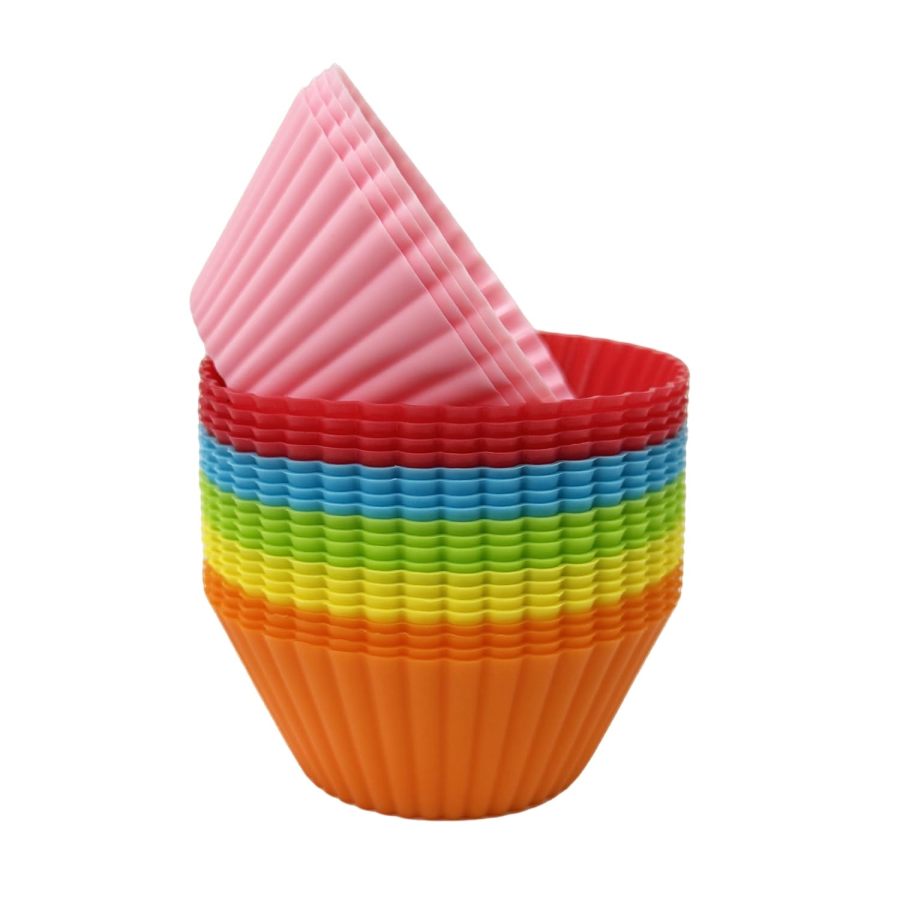
Silicone baking and bento divider cups are versatile kitchen tools made from food-grade silicone. They are primarily used for baking desserts like muffins and cupcakes, or as food divider containers inside lunch boxes. Their core value lies in being reusable, non-stick, easy to clean, while also providing convenience and fun in portioning food, meeting the needs of modern households for health, sustainability, and efficiency. The following table illustrates the key characteristics of consumer behavior in this category.
| Dimension | Segment | Description |
|---|---|---|
| Need Driver Type | Planned Purchase / Habitual Purchase | User purchases typically stem from anticipated content creation, video conferencing needs, or emergency scenarios like sudden low-light shooting, with clear expectations for instant fill light. |
| Purchase Frequency | Low Frequency | Silicone products are durable with relatively long repurchase cycles, mainly driven by initial purchase, replacement of old items, or expanding usage scenarios. |
| Decision Complexity | Medium | Consumers compare different products based on brightness, battery life, magnetic stability, additional features, and price, but do not conduct in-depth research. |
| Price Sensitivity | Medium | Price is an important consideration in decision-making, but users are willing to pay a reasonable premium for significant experience upgrades or solutions to core pain points. |
| Emotional Dependency | Medium | It satisfies both the functional need for fill light and provides emotional value and self-satisfaction from 'looking better on camera' and 'more professional creation'. |
II. User Personas & Usage Scenarios
2.1 Multi-functional Kitchen Efficiency Seeker
🎯 Values efficiency and versatility in kitchen tools, pursues healthy eating, and adeptly uses various utensils to simplify daily cooking and meal prep.
| Typical Usage Scenarios | Core Pain Points | Primary Purchase Drivers |
|---|---|---|
|
|
|
2.2 Parent-Child Baking & Bento Enthusiast
🎯 Loves baking and making bento with children, focuses on the fun, nutritional balance, and visual appeal of food, enjoying quality parent-child interaction time.
| Typical Usage Scenarios | Core Pain Points | Primary Purchase Drivers |
|---|---|---|
|
|
|
III. User Needs Hierarchy (KANO Model)
3.1 Basic Needs (Must-Haves)
- Food-Grade Silicone Material: Must ensure the product uses non-toxic, harmless food-grade silicone, certified by standards like FDA or LFGB.
- Non-Stick, Easy Release: Baked goods should come out of the cups easily and completely without extra greasing, maintaining perfect shape.
- Heat and Cold Resistant: The product must withstand temperature ranges of common kitchen appliances like ovens, microwaves, freezers, and dishwashers, ensuring safety and versatility.
- Reusable: Replaces disposable paper cups, meeting sustainability and economic needs, supporting long-term repeated use.
3.2 Performance Needs (Linear Satisfiers)
- Cleaning Convenience: The product surface should be easy to rinse, dishwasher safe, and capable of thoroughly removing food residue and grease, saving cleaning time.
- Sturdy, Resists Deformation: Silicone cups should have sufficient thickness and rigidity to stand independently when filled with batter or used as bento dividers, preventing tipping or warping.
- Good Size Compatibility: Sizes should be compatible with mainstream muffin pans or various bento boxes on the market, avoiding inconvenience from being too large or too small.
- No Odor Retention: The product itself should have no chemical odor and should not easily absorb food smells after use, preserving ingredient flavors.
3.3 Excitement Needs (Delighters)
- Diverse Shapes and Colors: Offers unique shapes like hearts, stars, squares, along with vibrant or muted color palettes, increasing visual appeal and fun in baking and dining.
- Convenient Pull-Tab Design: Silicone cups feature small pull-tabs or thickened rims for easy removal from hot baking pans, preventing burns or direct food contact.
- Fill Line Markings: Clear fill lines inside the cups help users precisely control portions, ensuring consistent baked goods every time.
3.4 Unmet Needs & Opportunities
-
Silicone Thickness Consistency and Independent Support: Many users complain that products are too thin, easily deformed, cannot independently support heavy batter, or require reliance on a baking pan, contradicting claims of 'standalone baking'.
User Reviews (VOC) Customers report that the baking cups are very thin. // Flimsy and smaller than normal cupcake size. Was going to return but figured I might find some use for them. They are just too small and flimsy to hold a normal size cupcake - sad // These are very thin and flimsy. They do not fit a regular cupcake pan as they are too small.
-
Size Description vs. Actual Experience Discrepancy: The vague definition of 'standard size' in the market leads users to frequently encounter products that don't match expectations in actual size or fail to perfectly fit existing molds.
User Reviews (VOC) Customers have mixed opinions about the size of these baking cups, with some finding them great while others note they are much smaller than regular ones. // These are not standard muffin and cupcake size, I didn't really think to do the measuring but when I got them they were tiny and I planned to use them in my kids lunch. Way too small for that as well. // The "regular" size cup is a good amount smaller than a standard paper liner, and the jumbo is indeed jumbo.
-
Grease Residue and Staining Issues: After long-term use, especially with dark or oily foods, some silicone cups tend to retain grease that is hard to clean completely or become stained by food.
User Reviews (VOC) 油残りがする お弁当用に購入しましたが、はじめはいいのですが、何度も使ってると色移りし、油取れが悪いです. // My only complaint is how easily they turn upside-down in a dishwasher and fill with dish water. // Hard to Clean Love the concept of these. I can make one muffin at a time. But really a pain to clean in the folds.
-
Initial Silicone Odor: Some newly purchased products have a noticeable silicone or plastic smell, requiring multiple high-temperature washes to remove, affecting willingness for first use.
User Reviews (VOC) Out of the package there was only a very slight odor. Following the advice of other reviewers, I first washed well with hot soapy water, placed in oven at 400° for 10 minutes. The smell was horrendous! // Can taste the silicone The work well but my family and I can taste the silicone even with multiple washing. // They also have an odor even after washing.
IV. User Decision Drivers
4.1 Key Decision Factors
- Non-Stick, Easy Release: Directly relates to the success rate and appearance integrity of baked goods, the primary reason users choose silicone cups.
- Safe, Reliable Material: As a food-contact item, being non-toxic, food-grade, and certified free of substances like BPA is the foundation of user trust and purchase.
- Cleaning Convenience: Considers whether the product is easy to clean, especially if it's dishwasher safe, directly impacting daily user experience.
- Reusability: Considerations for sustainability and long-term cost savings are key drivers for users to replace disposable paper cups.
4.2 Secondary Decision Factors
- Product Sturdiness/Thickness: Affects whether the silicone cup can be used without pan support, determining its versatility and convenience.
- Size and Compatibility: Ensures the product fits into existing baking equipment or bento boxes, avoiding post-purchase discovery of incompatibility.
- Color and Shape Variety: Increases the fun and visual appeal of baking and bento, especially favored by family users.
- Brand Reputation and Reviews: Users tend to choose brands with high ratings and good reputations as a guarantee of product quality and promises.
V. Selling Points & Competitive Landscape
5.1 Selling Point Analysis
5.1.1 Standard Features (Points of Parity)
- Reusable: All products emphasize sustainability and economic benefits, the core selling point for replacing traditional disposable paper cups.
- Non-Stick Property: Universally advertised for easy release, ensuring baked goods remain intact, an inherent advantage of silicone material and a high-frequency user concern.
- Easy to Clean: Most products highlight being dishwasher safe for convenient daily maintenance, saving user time.
- Food-Grade Silicone/BPA-Free: As basic compliance and safety assurances, almost all products emphasize material safety and healthiness.
- Multi-functional Use: Beyond baking, also widely promoted for various scenarios like bento dividers, snack cups, freezing food, etc.
5.1.2 Key Differentiators
- Diverse Shape and Color Combinations: Offers round, square, rectangular, or fun shapes like hearts and stars, paired with vibrant rainbow or soft muted color palettes, meeting different aesthetic and usage needs.
- Different Size Options: Segmented into mini, standard, jumbo, etc., to address specific baking portion sizes or bento box dimension requirements.
- Emphasis on Material Thickness/Sturdiness: Some products highlight 'thick', 'heavy-duty silicone', or 'can stand independently' to enhance product stability and durability.
- Convenient Design Details: Such as OXO products featuring 'easy-pull tabs' and 'fill lines', improving user operation convenience.
5.1.3 Unique Selling Propositions (USPs)
- Specific Silicone Brand Certification: For example, Katbite promotes using 'WACKER food-grade silicone', aiming to highlight the high quality and reliability of raw materials.
- Includes Storage Bag: Some brands provide an additional cotton mesh storage bag for convenient user organization, adding product value.
- Odor-Free Promise/Passes 'Pinch Test': A few products explicitly promise no chemical odor or imply passing a 'pinch test' to prove silicone purity, directly addressing user concerns about material purity.
5.2 Competitive Landscape
5.2.1 Market Maturity
The silicone baking and bento divider cup market has reached a medium-high maturity stage. Basic product functionalities (non-stick, easy to clean, reusable) are now industry standards with high homogeneity. Brand competition is mainly reflected in size segmentation, shape variety, material details (like thickness, purity), and user experience optimization (like pull-tabs, fill lines). Consumer expectations for product performance are high, particularly sensitive to 'misaligned' selling points.
5.2.2 Innovation Trends
Category innovation is evolving from a single baking tool towards a multi-functional kitchen solution, emphasizing applications in bento portioning, snack containers, and freezer meal prep. Additionally, consumers are showing increasing attention to higher levels of material safety (like odor-free, stain-resistant, easy-clean) and more precise size compatibility. Products possessing these characteristics will stand out in the fierce market competition.
VI. Marketing Claims vs. Reality Check
The table below analyzes the gap between common marketing claims and actual user experiences in this category:
| Dimension | Marketing Claim | User Reality | Verdict |
|---|---|---|---|
| Structural Stability/Thickness | 'Heavy-duty silicone', 'Sturdy and resistant to deformation, can stand independently', can bake without a pan. | Numerous user feedback reports products are 'too thin', 'easily deformed', 'very soft', unable to independently support heavy batter, requiring use with a muffin pan. | Sellers overstate the product's independent load-bearing capacity, misaligning with actual product material thickness, leading to user experience gaps. This reflects a typical marketing strategy of 'piling on adjectives while avoiding actual performance'. |
| Size Compatibility | 'Standard size', 'Perfectly fits mainstream muffin pans', offers multiple size choices. | Users commonly complain that 'standard size' is actually smaller than expected, or fails to perfectly fit existing muffin pans. Even with claims of multiple sizes, actual product dimensions still cause misunderstandings. | Sellers' definition of 'standard size' is vague, failing to provide precise sizing guidance. This leads consumers to discover incompatibility with existing baking tools post-purchase, causing decision frustration and dissatisfaction. |
| Material Purity/Odor and Cleanliness | 'Food-grade, non-toxic, odor-free', 'Naturally non-stick and easy to clean', 'Dishwasher safe'. | Some users report new products have a noticeable initial silicone smell requiring multiple treatments to remove. After long-term use, especially with dark or oily foods, products are prone to grease residue, staining, and are difficult to clean thoroughly. Some products fail the 'pinch test', raising doubts about silicone purity. | Sellers over-glamorize silicone's cleaning and odor-free properties, overlooking consumers' high standards for food safety and hygiene. This exposes potential defects in product material purity and surface treatment. |
Key Takeaway: The market exhibits widespread parameter inflation and exaggeration of scenario-based experiences, especially regarding material thickness and independent support, size compatibility, and odor/cleanliness promises.
VII. Supply-Demand Misalignment Analysis
The table below highlights mismatches between seller focus and buyer priorities:
| Dimension | Seller Behavior | User Focus | Verdict |
|---|---|---|---|
| Silicone Cup Thickness and Independent Stability | Commonly claim products are 'sturdy', 'thick', but actual products are thin, failing to truly meet user needs for standalone baking. | Users complain 'too thin', 'easily deformed', 'must use a pan', reflecting product shortcomings in core functional reliability. | Sellers fail to embody genuine 'sturdiness' in product design and materials, remaining at the level of verbal claims, missing the opportunity to build trust through quality improvement. |
| Accurate, Unified Size Labeling | Commonly use vague descriptions like 'standard size', or provide size data that doesn't clearly help users judge compatibility. | User feedback like 'smaller than expected', 'doesn't fit standard pan' indicates sellers fail to provide sufficiently transparent and actionable size information. | Vague size information is a major obstacle in user purchase decisions. Sellers fail to provide precise compatibility solutions from the user's perspective, leading to user attrition. |
| Long-Term Stain and Odor Resistance | Commonly promote 'easy to clean', 'odor-free', but few products offer solutions or promises for grease residue and staining issues during long-term use. | User complaints about 'grease residue', 'hard to clean', 'has a smell'. These high-frequency negative feedbacks indicate sellers fail to effectively address inherent challenges of silicone material. | Sellers avoid addressing long-term maintenance pain points of silicone products in their marketing, failing to provide effective anti-stain, anti-odor technology or user guides, leading to user concerns about product cleanliness and hygiene. |
Key Takeaway: Sellers exhibit supply shortages or information ambiguity regarding core user experience elements like product thickness and size precision, while over-promoting basic multi-functionality, failing to effectively address user pain points.
VIII. Strategic Opportunities & Recommendations
8.1 'Strong Support, Anti-Deformation' Thick Silicone Cups
8.1.1 Target Audience & Pain Points
⚡️ Pain Points Addressed: Inconsistent silicone thickness and insufficient independent support.
8.1.2 Action Plan
Adopt high-density, high-grammage food-grade silicone, significantly increase cup wall thickness and bottom support structure to ensure stable standing when filled with heavy batter or used as bento dividers. Develop product lines with different rigidity levels.
| Tech Complexity | Medium |
| Cost Impact | Medium Impact |
| Trade-off Warning | Slightly increases product weight and unit cost, but user experience improvement is significant, supporting higher pricing. |
| Price Band | Only viable above $14.99 |
8.1.3 Marketing Strategy
Highlight 'Say goodbye to flimsiness, bake independently with peace of mind'. Showcase stability without a pan through comparison videos. Emphasize 'Truly heavy-duty silicone, one investment, long-lasting peace of mind'.
8.2 'Long-lasting Anti-Stain, Anti-Odor' Premium Silicone Series
8.2.1 Target Audience & Pain Points
⚡️ Pain Points Addressed: Grease residue and staining issues, initial silicone odor.
8.2.2 Action Plan
Use the latest anti-stain, anti-odor food-grade silicone technology, or apply special surface treatments to ensure products resist staining from dark foods and effectively inhibit odor retention. Include a mini cleaning brush and detailed care guide in the packaging. Perform multiple high-temperature deodorizing treatments before leaving the factory.
| Tech Complexity | Medium |
| Cost Impact | Medium Impact |
| Trade-off Warning | May have slight differences in surface finish feel, but impact on core functionality is controllable. |
| Price Band | Only viable above $19.99 |
8.2.3 Marketing Strategy
Promote 'Pure and clean, stays like new', emphasizing the 'no staining, no odor' worry-free experience. Provide third-party anti-stain test reports, building a premium healthy kitchenware image.
8.3 'Precise Size Compatibility Guide' and Multi-Size Combo Packs
8.3.1 Target Audience & Pain Points
⚡️ Pain Points Addressed: Discrepancy between size description and actual experience.
8.3.2 Action Plan
Provide extremely detailed dimension diagrams (top diameter, bottom diameter, height) in product descriptions and list compatibility ranges with mainstream muffin pans on the market. Develop Mini/Standard/Jumbo mixed sets to meet diverse user needs.
| Tech Complexity | Low |
| Cost Impact | Low Impact |
| Trade-off Warning | No significant side effects, primarily an optimization in information transparency and product bundling strategy. |
| Price Band | Only viable above $9.99 (multi-size combo packs can command a slight premium) |
8.3.3 Marketing Strategy
Emphasize 'Say goodbye to size anxiety, perfectly matches your kitchen', offer a 'one-stop size solution'; use visual charts for clear presentation, reducing user decision risk.